pattern

IELTS Academicの語彙 (スコア6-7) - 旅行と観光

ここでは、アカデミックIELTS試験に必要な旅行と観光に関連するいくつかの英語の単語を学びます。

レビュー

フラッシュカード

語形

綴り

クイズ

学習を開始
Vocabulary for Academic IELTS (6-7)
charter
charter
[名詞]

the hiring or leasing of a ship, aircraft, or other vehicle for private or special use

チャーター
チャーター

Ex: The company arranged the charter of a private jet for the executives. 
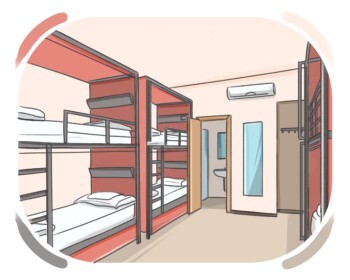
hostel
hostel
[名詞]

a place or building that provides cheap food and accommodations for visitors

ホステル, 宿泊所

ホステル, 宿泊所

Ex: The hostel in the city center offers dormitory-style rooms and is a popular choice among backpackers. 

街の中心にあるホステルはドミトリー形式の部屋を提供しており、バックパッカーの間で人気の選択肢です。

suite
suite
[名詞]

a set of connected rooms used together, especially in a hotel

スイート,  続き部屋
スイート, 続き部屋

Ex: Emma booked a spacious suite for her family at the hotel. 
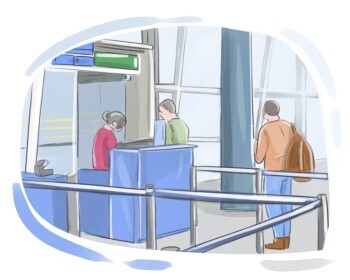
gate
gate
[名詞]

a part of an airport or terminal that passengers go through to get on or off a plane, train, or bus

ゲート, 搭乗
ゲート, 搭乗

Ex: The gate for the next flight was already bustling with passengers. 
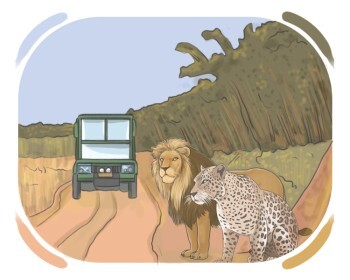
safari
safari
[名詞]

a journey, typically for observing and photographing wild animals in their natural habitat, especially in African countries

サファリ

サファリ

Ex: Going on safari offers an unforgettable adventure, immersing travelers in the breathtaking landscapes and diverse wildlife of exotic destinations like Africa. 

サファリに行くことは、アフリカのようなエキゾチックな目的地の息をのむような風景と多様な野生生物に旅行者を没頭させる、忘れられない冒険を提供します。
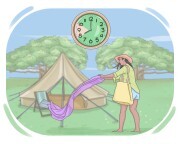
excursion
excursion
[名詞]

a short trip taken for pleasure, particularly one arranged for a group of people

遠足

遠足

Ex: The school organized an excursion to the science museum for the students. 

学校は生徒たちのために科学博物館への遠足を企画した。

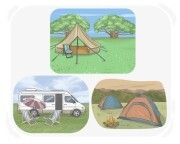
campground
campground
[名詞]

an outdoor space with facilities for camping, such as tent or RV sites, and amenities like toilets and fire pits

キャンプ場, キャンプグラウンド

キャンプ場, キャンプグラウンド

Ex: The campground, nestled beside a serene lake, offered campers a peaceful retreat with stunning views of nature. 

静かな湖のほとりにあるキャンプ場は、キャンパーたちに自然の素晴らしい景色を楽しめる平和な隠れ家を提供しました。

monument
monument
[名詞]

an old building, structure, or site preserved or valued for its historical importance

Ex: The castle is one of the region's most important historical monuments. 
expedition
expedition
[名詞]

an organized journey undertaken for a particular purpose, especially exploration, research, or military action

遠征,  探検隊
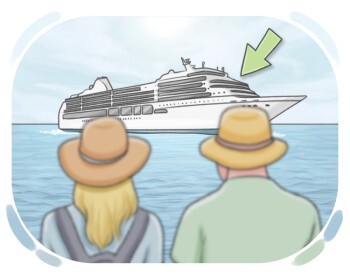
遠征, 探検隊

Ex: Sarah joined a scientific expedition to study wildlife in Antarctica. 
voyage
voyage
[名詞]

a long journey taken on a ship or spacecraft

旅, 航海

旅, 航海

Ex: The space mission was a historic voyage to the International Space Station. 

その宇宙ミッションは国際宇宙ステーションへの歴史的な旅でした。

itinerary
itinerary
[名詞]

a plan of the route and the places that one will visit on a journey

旅程, スケジュール

旅程, スケジュール

Ex: The tour company sent us a detailed itinerary, breaking down our day-to-day activities and highlighting the main attractions. 

旅行会社は私たちに詳細な旅程を送り、日々の活動を分解し、主な観光スポットを強調しました。
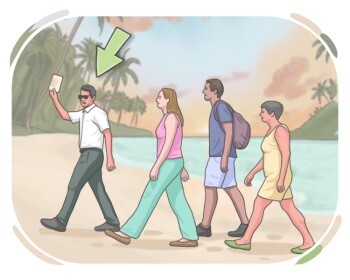
courier
courier
[名詞]

a person employed by a travel agency to help and look after the tourists

観光ガイド, ツアーコンパニオン

観光ガイド, ツアーコンパニオン

rucksack
rucksack
[名詞]

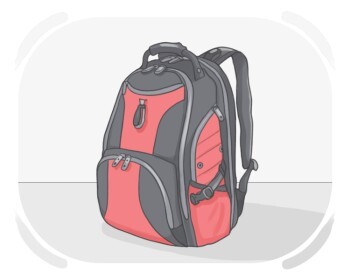
a bag designed for carrying on the back, usually used by those who go hiking or climbing

リュックサック, バックパック

リュックサック, バックパック

Ex: She packed her rucksack with all the essentials for the weekend hike. 

彼女は週末のハイキングに必要なものをすべてリュックサックに詰めた。

inn
inn
[名詞]

a small hotel, often in the countryside, that provides accommodation and sometimes food and drink

宿屋,  旅館
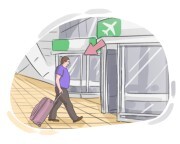
宿屋, 旅館

Ex: We spent the night at a small inn near the lake. 
vacationer
vacationer
[名詞]

a person who is on vacation or holiday, typically traveling away from home for leisure or relaxation

バケーションを楽しむ人, 観光客

バケーションを楽しむ人, 観光客

Ex: The beach was crowded with vacationers enjoying the sunny weather. 

ビーチは晴れた天気を楽しむ休暇客で混雑していた。

to explore
to explore
[動詞]

to visit places one has never seen before

探検する, 発見する

探検する, 発見する

Ex: He has explored various countries during his years of travel. 
to navigate
to navigate
[動詞]

to travel across or on an area of water by a ship or boat

航海する, 操船する

航海する, 操船する

Ex: The maritime pilot skillfully navigated into the harbor. 

水先案内人は巧みに港へ航行しました。

to depart
to depart
[動詞]

to leave a place, especially to begin a journey

出発する,  去る

出発する, 去る

Ex: Our flight departs Boston at seven tomorrow morning. 
to cruise
to cruise
[動詞]

to travel by ship or boat for pleasure, usually visiting several places

クルーズする,  船旅をする
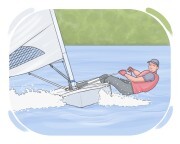
クルーズする, 船旅をする

Ex: Emma hopes to cruise around the Mediterranean next summer. 
to sail
to sail
[動詞]

to travel on water using the power of wind or an engine

航海する, 帆走する
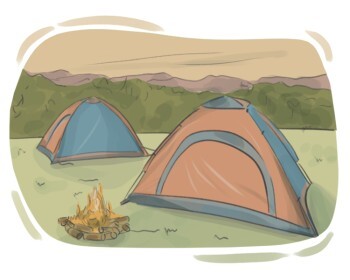
航海する, 帆走する

Ex: The historic tall ship, fully restored, sailed proudly into the harbor, capturing the essence of maritime history. 
to camp
to camp
[動詞]

to make a temporary home or shelter, usually outdoors or in the wild

キャンプする, 野営する
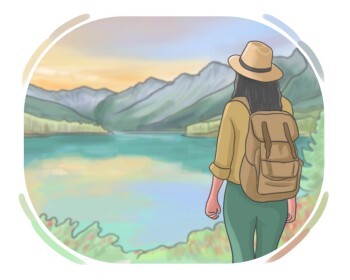
キャンプする, 野営する

Ex: Every year, scouts from the local troop camp near the lake, practicing outdoor survival skills. 
to backpack
to backpack
[動詞]

to hike or travel carrying one's clothes, etc. in a backpack

バックパックで旅する, バックパックを背負ってハイキングする

バックパックで旅する, バックパックを背負ってハイキングする

Ex: During their gap year, they decided to backpack through Southeast Asia. 

彼らはギャップイヤー中に、東南アジアをバックパックで旅することに決めました。

to lay over
to lay over
[動詞]

to temporary stop or pause during a journey

途中で立ち寄る, 一時的に停止する

途中で立ち寄る, 一時的に停止する

Ex: We often lay over in Chicago when flying to the East Coast. 

東海岸に飛ぶとき、私たちはよくシカゴで途中降機します。

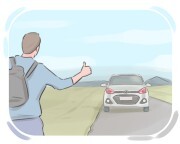
to hitchhike
to hitchhike
[動詞]

to travel by getting free rides in passing vehicles, typically by standing at the side of the road and signaling drivers to stop

ヒッチハイクする, 便乗する

ヒッチハイクする, 便乗する

Ex: During their backpacking adventure, they decided to hitchhike through Europe to experience the local culture more intimately. 

バックパッキングの冒険中、彼らは地元の文化をもっと親密に体験するためにヨーロッパをヒッチハイクすることに決めました。
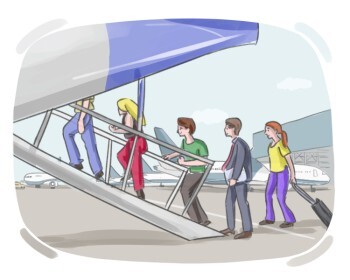
to embark
to embark
[動詞]

to go aboard a ship, aircraft, or other vehicle at the beginning of a journey

乗船する,  搭乗する

乗船する, 搭乗する

Ex: The passengers embarked at Miami shortly before noon. 
to disembark
to disembark
[動詞]

to leave a ship, aircraft, or train after arrival

降りる, 下船する
降りる, 下船する

Ex: Passengers began to disembark as soon as the plane reached the gate. 
to traverse
to traverse
[動詞]

to move across or through in a specified direction

横断する, 通過する

横断する, 通過する

Ex: To reach the remote village, they had to traverse dense forests and cross several rivers on their expedition. 

遠隔の村に到達するために、彼らは探検中に密林を横断し、いくつかの川を渡らなければならなかった。

to compass
to compass
[動詞]

to travel or navigate around something in a circular course

一周する, 巡る

一周する, 巡る

Ex: The cyclist aimed to compass the entire island, pedaling along its coastal roads and mountain trails. 

そのサイクリストは、海岸沿いの道路や山道をペダルをこぎながら、島全体を一周することを目指した。

LanGeek
LanGeekアプリをダウンロード