책 Total English - 중급 - 유닛 2 - 참조 - 파트 2

여기에서는 Total English Intermediate 교과서의 Unit 2 - Reference - Part 2의 어휘를 찾을 수 있습니다. "비현실적인", "파업", "저지르다" 등과 같은 단어들이 있습니다.

review-disable

리뷰

flashcard-disable

플래시카드

spelling-disable

철자법

quiz-disable

퀴즈

학습 시작
책 Total English - 중급
nauseating [형용사]

causing or capable of provoking a sensation of disgust or nausea

اجرا کردن

메스꺼운

Ex: The movie’s nauseating scenes of graphic violence were too much for some viewers.

영화의 그래픽 폭력의 메스꺼운 장면들은 일부 관객들에게 너무 많았습니다.

nonsense [형용사]

lacking in logic, coherence, meaning, or rationality

اجرا کردن

터무니없는

Ex: His nonsense argument confused everyone.

그의 말도 안되는 주장은 모두를 혼란스럽게 했다.

unrealistic [형용사]

not in any way accurate or true to life

اجرا کردن

비현실적인

Ex: The protagonist 's ability to defeat a hundred enemies single-handedly was unrealistic , even for a superhero movie .

주인공이 혼자서 백 명의 적을 물리치는 능력은 슈퍼히어로 영화라도 비현실적이었습니다.

unwatchable [형용사]

difficult, unpleasant, or unbearable to watch

اجرا کردن

볼 수 없는

Ex: The movie was so boring that it was almost unwatchable .

그 영화는 너무 지루해서 거의 볼 수 없을 정도였다.

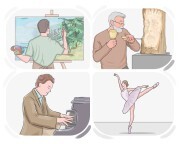
art [명사]

the use of creativity and imagination to express emotions and ideas by making things like paintings, sculptures, music, etc.

اجرا کردن

예술

Ex: Ballet is an art that combines movement and music in a beautiful way .

발레는 움직임과 음악을 아름답게 결합한 예술입니다.

business [명사]

the activity of providing services or products in exchange for money

اجرا کردن

사업

Ex: Her passion for photography led her to start a business .

그녀의 사진에 대한 열정은 그녀가 사업을 시작하게 했습니다.

section [명사]

each of the parts into which a place or object is divided

اجرا کردن

섹션

Ex: The library is organized into several sections , including fiction , non-fiction , and reference materials .

도서관은 소설, 논픽션 및 참고 자료를 포함한 여러 섹션으로 구성되어 있습니다.

important social or political events that are happening and are covered in the news

اجرا کردن

시사

Ex: The news program focuses on current affairs from around the world .

뉴스 프로그램은 전 세계의 시사 문제에 초점을 맞춥니다.

gossip [명사]

informal or idle talk about others, especially their personal lives, typically involving details that may not be confirmed or verified

اجرا کردن

가십

Ex: The office was filled with gossip after the new manager arrived .

새로운 매니저가 도착한 후 사무실은 소문으로 가득 찼다.

the aspect of a story in the media that the audience can relate to because it describes people's lived experiences, feelings, etc.

اجرا کردن

인간적 관심

Ex: The newspaper published a human interest story about a teacher who spent her entire career helping underprivileged children .

신문은 불우한 아이들을 돕는 데 자신의 모든 경력을 바친 한 교사에 대한 인간적인 관심 이야기를 실었다.

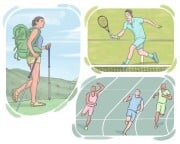
sport [명사]

a physical activity or competitive game with specific rules that people do for fun or as a profession

اجرا کردن

스포츠

Ex: Basketball is a dynamic sport that demands quick thinking and agility .

농구는 빠른 사고와 민첩성을 요구하는 역동적인 스포츠입니다.

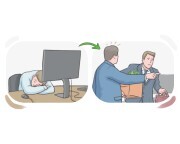
strike [명사]

a collective refusal to work by employees to protest conditions, pay, or policies

اجرا کردن

a collective refusal to work by employees to protest conditions, pay, or policies

Ex: The workers organized a strike for higher wages.
holiday [명사]

a period of time away from home or work, typically to relax, have fun, and do activities that one enjoys

اجرا کردن

휴가

Ex: Taking a holiday in the mountains is a great way to escape the city and unwind .

산에서 휴가를 보내는 것은 도시를 벗어나 휴식을 취하는 좋은 방법입니다.

discovery [명사]

the act of finding something for the first time and before others

اجرا کردن

발견

Ex: The discovery of penicillin revolutionized medicine by introducing the first antibiotic .

페니실린의 발견은 첫 번째 항생제를 도입함으로써 의학을 혁신했습니다.

profit [명사]

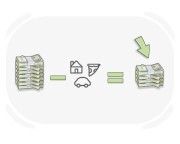
the sum of money that is gained after all expenses and taxes are paid

اجرا کردن

이익

Ex: The company reported a significant profit for the fiscal year , reflecting efficient operations and strong sales .

회사는 효율적인 운영과 강력한 판매를 반영하여 회계 연도에 상당한 이익을 보고했습니다.

fashion [명사]

the styles and trends of clothing, accessories, makeup, and other items that are popular in a certain time and place

اجرا کردن

패션

Ex: Fashion trends can vary greatly depending on the region and culture .

패션 트렌드는 지역과 문화에 따라 크게 달라질 수 있습니다.

to win [동사]

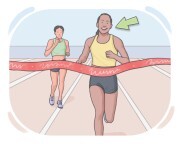
to become the most successful, the luckiest, or the best in a game, race, fight, etc.

اجرا کردن

이기다

Ex: Our team won the championship after a hard-fought season .

우리 팀은 힘든 시즌 끝에 챔피언십에서 승리했습니다.

race [명사]

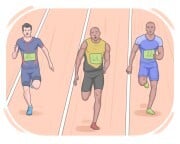
a competition between people, vehicles, animals, etc. to find out which one is the fastest and finishes first

اجرا کردن

경주

Ex: My brother won a medal in the bicycle race.

내 동생은 자전거 경주에서 메달을 땄다.

competition [명사]

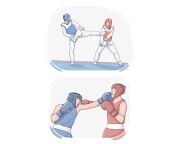
an event or contest in which individuals or teams compete against each other

اجرا کردن

경쟁

Ex: The annual chess competition draws players from around the world .

매년 열리는 체스 대회는 전 세계에서 선수들을 끌어들입니다.

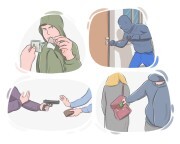
to commit [동사]

to do a particular thing that is unlawful or wrong

اجرا کردن

저지르다

Ex: He was arrested for attempting to commit fraud by falsifying financial documents .
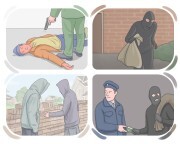
crime [명사]

an unlawful act that is punishable by the legal system

اجرا کردن

범죄

Ex: The police are investigating the crime that occurred last night .

경찰은 어제 밤에 발생한 범죄를 조사하고 있습니다.

suicide [명사]

the act of intentionally taking one's own life

اجرا کردن

자살

Ex: She was devastated by the news of her friend 's suicide .

그녀는 친구의 자살 소식에 충격을 받았다.

to develop [동사]

to change and become stronger or more advanced

اجرا کردن

발전시키다

Ex: The small startup has the potential to develop into a leading technology company .

작은 스타트업은 선도적인 기술 회사로 성장할 잠재력이 있습니다.

duty [명사]

an obligatory task that must be done as one's job

اجرا کردن

의무

Ex: It is her duty to ensure the safety of all the employees .

모든 직원의 안전을 보장하는 것은 그녀의 의무입니다.

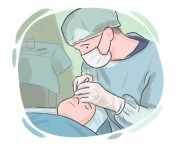
a medical operation performed on a part of the body in order to improve its appearance or repair skin injury

اجرا کردن

성형 수술

Ex: She underwent plastic surgery to correct a birth defect .

그녀는 선천적 결함을 교정하기 위해 성형 수술을 받았습니다.

to cause [동사]

to make something happen, usually something bad

اجرا کردن

일으키다

Ex: Please do n't cause any more problems in class .

수업 시간에 더 이상 문제를 일으키지 마세요.

trouble [명사]

a difficult or problematic situation that can cause stress, anxiety or harm

اجرا کردن

문제

Ex: He found himself in trouble after missing several important deadlines at work .

그는 직장에서 몇 가지 중요한 마감일을 놓친 후 곤경에 처한 자신을 발견했다.

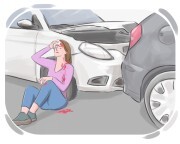
accident [명사]

a situation where vehicles hit each other or a person is hit by a vehicle

اجرا کردن

사고

Ex: The traffic was backed up for miles due to a major accident on the highway .

고속도로에서 큰 사고가 나서 몇 마일 동안 교통이 막혔습니다.

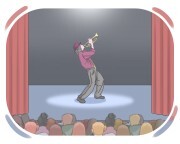
to perform [동사]

to give a performance of something such as a play or a piece of music for entertainment

اجرا کردن

공연하다

Ex: The band will perform at the city park next week .
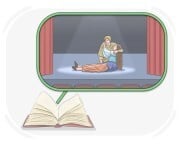
play [명사]

a written story that is meant to be performed on a stage, radio, or television

اجرا کردن

연극

Ex: The playwright 's new play will debut at the local theater next month .

극작가의 새 연극이 다음 달 지역 극장에서 초연될 예정이다.

record [명사]

the best performance or result, or the highest or lowest level that has ever been reached, especially in sport

اجرا کردن

기록

Ex: The gymnast achieved a perfect score , setting a new record in the floor exercise event .

체조 선수가 완벽한 점수를 달성하며 마루 운동 종목에서 새로운 기록을 세웠습니다.

promise [명사]

an assurance or declaration indicating the possible success or occurrence of something in the future

اجرا کردن

약속

Ex: The young entrepreneur ’s innovative idea shows great promise for transforming the industry .

젊은 기업가의 혁신적인 아이디어는 산업을 변화시킬 큰 약속을 보여줍니다.