pattern

El libro Total English - Intermedio - Unidad 2 - Referencia - Parte 2

Aquí encontrarás el vocabulario de la Unidad 2 - Referencia - Parte 2 del libro de curso Total English Intermediate, como "poco realista", "huelga", "cometer", etc.

Revisión

Tarjetas de memoria

Ortografía

Cuestionario

Empezar a aprender
Total English - Intermediate
nauseating
nauseating
[Adjetivo]

causing or capable of provoking a sensation of disgust or nausea

nauseabundo

nauseabundo

Ex: His nauseatingly rude comments during the dinner party made the atmosphere uncomfortable. 

Sus comentarios nauseabundos y groseros durante la cena hicieron que el ambiente fuera incómodo.

nonsense
nonsense
[Adjetivo]

lacking in logic, coherence, meaning, or rationality

absurdo, sin sentido

absurdo, sin sentido

Ex: The book was filled with nonsense ideas. 

El libro estaba lleno de ideas sin sentido.

unrealistic
unrealistic
[Adjetivo]

not in any way accurate or true to life

irrealista, poco realista

irrealista, poco realista

Ex: Setting a goal to become a millionaire overnight is unrealistic without a solid plan or significant luck. 

Establecer el objetivo de convertirse en millonario de la noche a la mañana es irrealista sin un plan sólido o una suerte significativa.

unwatchable
unwatchable
[Adjetivo]

difficult, unpleasant, or unbearable to watch

invisible, insoportable de ver

invisible, insoportable de ver

Ex: The game was unwatchable due to constant buffering. 

El juego fue invisible debido al búfer constante.

art
art
[Sustantivo]

the use of creativity and imagination to express emotions and ideas by making things like paintings, sculptures, music, etc.

arte

arte

Ex: Her art of sculpting allows her to express her deepest emotions. 

Su arte de esculpir le permite expresar sus emociones más profundas.

business
business
[Sustantivo]

the activity of providing services or products in exchange for money

negocios

negocios

Ex: She invested her savings in a start-up business. 

Ella invirtió sus ahorros en un negocio emergente.

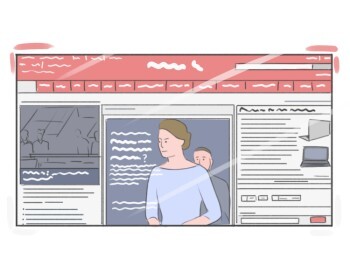
section
section
[Sustantivo]

each of the parts into which a place or object is divided

sección
sección

Ex: The car's manual includes a troubleshooting section for common issues that owners may encounter. 

El manual del coche incluye una sección de solución de problemas para los problemas comunes que los propietarios pueden encontrar.

current affairs
current affairs
[Sustantivo]

important social or political events that are happening and are covered in the news

temas de actualidad

temas de actualidad

Ex: Discussions on current affairs often dominate the morning talk shows. 

Los debates sobre la actualidad a menudo dominan los programas de entrevistas matutinos.

gossip
gossip
[Sustantivo]

informal or idle talk about others, especially their personal lives, typically involving details that may not be confirmed or verified

chisme, cotilleo

chisme, cotilleo

Ex: He’s always the first one to spread gossip, but it’s not always reliable. 

Siempre es el primero en difundir chismes, pero no siempre es confiable.

human interest
human interest
[Sustantivo]

the aspect of a story in the media that the audience can relate to because it describes people's lived experiences, feelings, etc.

interés humano

interés humano

Ex: The reporter's human interest story brought attention to a community coming together to support a sick neighbor. 

El reportaje de interés humano del periodista llamó la atención sobre una comunidad uniéndose para apoyar a un vecino enfermo.
sport
sport
[Sustantivo]

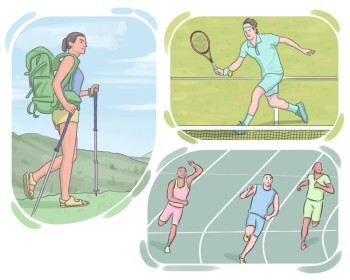
a physical activity or competitive game with specific rules that people do for fun or as a profession

deporte

deporte

Ex: Football is a popular sport that is played with a round ball and two teams. 

El fútbol es un deporte popular que se juega con un balón redondo y dos equipos.

strike
strike
[Sustantivo]

a collective refusal to work by employees to protest conditions, pay, or policies

huelga, paro laboral

huelga, paro laboral

Ex: Employees voted to go on strike over unsafe conditions. 

Los empleados votaron para ir a huelga por condiciones inseguras.

holiday
holiday
[Sustantivo]

a period of time away from home or work, typically to relax, have fun, and do activities that one enjoys

Vacaciones

Vacaciones

Ex: Many families plan a holiday at the beach during school breaks. 

Muchas familias planean unas vacaciones en la playa durante las vacaciones escolares.

discovery
discovery
[Sustantivo]

the act of finding something for the first time and before others

descubrimiento
descubrimiento

Ex: The discovery of a lost manuscript by a famous author thrilled literary scholars and enthusiasts alike. 

El descubrimiento de un manuscrito perdido de un autor famoso emocionó a los estudiosos y entusiastas de la literatura por igual.

profit
profit
[Sustantivo]

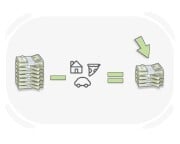
the sum of money that is gained after all expenses and taxes are paid

beneficios

beneficios

Ex: Last year's profit was reinvested into expanding the company. 

El beneficio del año pasado se reinvirtió en la expansión de la empresa.

fashion
fashion
[Sustantivo]

the styles and trends of clothing, accessories, makeup, and other items that are popular in a certain time and place

moda

moda

Ex: The fashion industry is constantly evolving with new ideas and concepts. 

La industria de la moda está en constante evolución con nuevas ideas y conceptos.

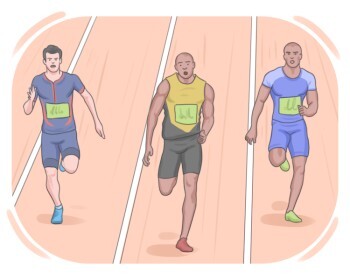
to win
to win
[Verbo]

to become the most successful, the luckiest, or the best in a game, race, fight, etc.

ganar
ganar

Ex: Did the home team win the basketball game last night? 

¿Ganó el equipo local el partido de baloncesto anoche?

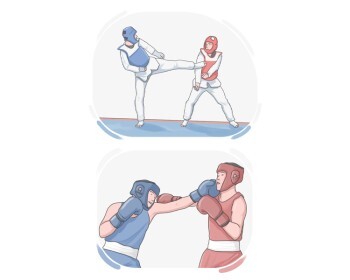
race
race
[Sustantivo]

a competition between people, vehicles, animals, etc. to find out which one is the fastest and finishes first

carrera
carrera

Ex: The marathon is the longest race I've ever run. 

El maratón es la carrera más larga que he corrido.

competition
competition
[Sustantivo]

an event or contest in which individuals or teams compete against each other

competición

competición

Ex: The city will host a soccer competition next month. 

La ciudad albergará una competición de fútbol el próximo mes.

to commit
to commit
[Verbo]

to do a particular thing that is unlawful or wrong

cometer

cometer

Ex: She admitted to committing perjury during the trial by providing false testimony under oath. 

Ella admitió cometer perjurio durante el juicio al proporcionar un testimonio falso bajo juramento.

crime
crime
[Sustantivo]

an unlawful act that is punishable by the legal system

crimen, delito

crimen, delito

Ex: Crime rates have been steadily declining in the city over the past decade. 

Las tasas de crimen han estado disminuyendo constantemente en la ciudad durante la última década.

suicide
suicide
[Sustantivo]

the act of intentionally taking one's own life

suicidio, autolisis

suicidio, autolisis

Ex: The documentary addressed the rising rates of suicide among teenagers. 

El documental abordó las tasas crecientes de suicidio entre los adolescentes.

to develop
to develop
[Verbo]

to change and become stronger or more advanced

desarrollarse

desarrollarse

Ex: Over time, economies can develop and become more resilient to external shocks. 

Con el tiempo, las economías pueden desarrollarse y volverse más resistentes a los shocks externos.

duty
duty
[Sustantivo]

an obligatory task that must be done as one's job

deber, obligación

deber, obligación

Ex: They discussed the duties of each team member during the meeting. 

Discutieron los deberes de cada miembro del equipo durante la reunión.

plastic surgery
plastic surgery
[Sustantivo]

a medical operation performed on a part of the body in order to improve its appearance or repair skin injury

cirugía plástica

cirugía plástica

Ex: Many celebrities opt for plastic surgery to enhance their appearance. 

Muchas celebridades optan por la cirugía plástica para mejorar su apariencia.

to cause
to cause
[Verbo]

to make something happen, usually something bad

causar, provocar

causar, provocar

Ex: Are you trying to cause a misunderstanding with your words? 

¿Estás tratando de causar un malentendido con tus palabras?

trouble
trouble
[Sustantivo]

a difficult or problematic situation that can cause stress, anxiety or harm

dificultad

dificultad

Ex: She knew she was in trouble when she saw the stern look on her teacher's face. 

Ella supo que estaba en problemas cuando vio la mirada severa en el rostro de su maestra.

accident
accident
[Sustantivo]

a situation where vehicles hit each other or a person is hit by a vehicle

accidente

accidente

Ex: The insurance company investigated the accident to determine liability. 

La compañía de seguros investigó el accidente para determinar la responsabilidad.

to perform
to perform
[Verbo]

to give a performance of something such as a play or a piece of music for entertainment

representar, interpretar

representar, interpretar

Ex: The magician performed an incredible trick. 

El mago realizó un truco increíble.

play
play
[Sustantivo]

a written story that is meant to be performed on a stage, radio, or television

teatro

teatro

Ex: They adapted the popular novel into a television play, bringing the story to life on screen. 

Adaptaron la novela popular a una obra de televisión, dando vida a la historia en pantalla.

record
record
[Sustantivo]

the best performance or result, or the highest or lowest level that has ever been reached, especially in sport

récord

récord

Ex: The weightlifter lifted an astonishing amount of weight, breaking the national record in his weight class. 

El levantador de pesas levantó una cantidad asombrosa de peso, rompiendo el récord nacional en su categoría de peso.

promise
promise
[Sustantivo]

an assurance or declaration indicating the possible success or occurrence of something in the future

promesa, perspectiva

promesa, perspectiva

Ex: His academic performance this semester has shown promise, indicating future success. 

Su rendimiento académico este semestre ha mostrado promesa, indicando éxito futuro.

LanGeek
Descargar la aplicación LanGeek