pattern

Cambridge IELTS 16 - 아카데믹 - 테스트 4 - 독해 - 지문 1

여기에서 Cambridge IELTS 16 - Academic 교재의 Test 4 - Reading - Passage 1의 어휘를 찾을 수 있어, IELTS 시험 준비에 도움이 될 것입니다.

리뷰

플래시카드

형태

철자법

퀴즈

학습 시작
Cambridge IELTS 16 - Academic
asia minor
asia minor
[명사]

a peninsula in southwestern Asia that forms the Asian part of Turkey

소아시아, 아나톨리아

소아시아, 아나톨리아

닫기
로그인
to adopt
to adopt
[동사]

to accept, embrace, or incorporate a particular idea, practice, or belief into one's own behavior or lifestyle

채택하다, 받아들이다

채택하다, 받아들이다

Ex: The organization currently adopts eco-friendly policies to reduce its carbon footprint. 
닫기
로그인
construction
construction
[명사]

the process of building or creating something, such as structures, machines, or infrastructure

건설

건설

Ex: The construction of the new hospital is ahead of schedule. 
닫기
로그인
civilization
civilization
[명사]

a society that has developed its own culture and institutions in a particular period of time or place

문명, 사회

문명, 사회

Ex: Ancient Egypt is considered one of the greatest civilizations in history. 
닫기
로그인
territory
territory
[명사]

a geographic area belonging to or ruled by a government or authority

영토, 지역

영토, 지역

Ex: The disputed territory has been a source of conflict between the two neighboring countries for decades. 
닫기
로그인
settlement
settlement
[명사]

an area where a group of families or people live together, often in a newly established community

정착지, 식민지

정착지, 식민지

Ex: The settlement grew rapidly as more families moved in. 
닫기
로그인
millennium
millennium
[명사]

a period of one thousand years, usually calculated from the year of the birth of Jesus Christ

천년, 밀레니엄

천년, 밀레니엄

Ex: Historians study events that occurred during the first millennium AD to understand ancient civilizations. 
닫기
로그인
Before Common Era

a secular designation used to represent dates in the Gregorian calendar before the traditional reference point of the birth of Jesus Christ

공통 시대 이전, 우리 시대 이전

공통 시대 이전, 우리 시대 이전

닫기
로그인
to consist of

to be formed from particular parts or things

로 구성되다, 로 이루어지다

로 구성되다, 로 이루어지다

Ex: The salad consists of fresh greens, tomatoes, and a zesty vinaigrette. 
닫기
로그인
post
post
[명사]

a sturdy pole made of metal or timber that is dug into the ground to be used as a marker or support something

기둥, 지주

기둥, 지주

닫기
로그인
shaft
shaft
[명사]

a long vertical passage sunk into the earth, as for a mine or tunnel

갱도, 굴뚝

갱도, 굴뚝

닫기
로그인
interval
interval
[명사]

the distance between things

간격, 거리

간격, 거리

닫기
로그인
to excavate
to excavate
[동사]

to dig a hole or make a channel in the ground

파다, 굴착하다

파다, 굴착하다

Ex: The workers excavated a trench to lay down the foundation for the building. 
닫기
로그인
soil
soil
[명사]

the black or brownish substance consisted of organic remains, rock particles, and clay that forms the upper layer of earth where trees or other plants grow

흙, 토양

흙, 토양

Ex: The gardeners enriched the soil with compost to improve plant growth. 
닫기
로그인
ventilation
ventilation
[명사]

the act of supplying fresh air and getting rid of foul air

환기,  통풍

환기, 통풍

닫기
로그인
canal
canal
[명사]

a long and artificial passage built and filled with water for ships to travel along or used to transfer water to other places

운하, 수로

운하, 수로

Ex: The ship sailed through the canal, heading toward the harbor. 
닫기
로그인
remarkably
remarkably
[부사]

in a way that is unusually impressive, effective, or surprising

현저하게, 놀랄 만큼

현저하게, 놀랄 만큼

Ex: She sang the aria remarkably, with both power and subtlety. 
닫기
로그인
to pass on
to pass on
[동사]

to transfer knowledge, traditions, or skills to another person or group, often to ensure they are preserved or continued

전수하다, 물려주다

전수하다, 물려주다

Ex: The martial arts instructor decided to pass on his advanced techniques only to his most dedicated students. 
닫기
로그인
to equip
to equip
[동사]

to provide with the tools, resources, or items necessary for a specific purpose or activity

갖추다, 장비하다

갖추다, 장비하다

Ex: The school is planning to equip the science laboratory with state-of-the-art equipment. 
닫기
로그인
handhold
handhold
[명사]

an appendage to hold onto

손잡이, 잡을 수 있는 부분

손잡이, 잡을 수 있는 부분

닫기
로그인
foothold
foothold
[명사]

a place providing support for the foot in standing or climbing

발 디딜 곳, 발 지지점

발 디딜 곳, 발 지지점

닫기
로그인
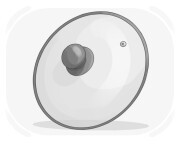
lid
lid
[명사]

the removable cover at the top of a container

뚜껑, 덮개

뚜껑, 덮개

Ex: She placed the lid on the pot to let the soup simmer. 
닫기
로그인
plumb line
plumb line
[명사]

a cord from which a metal weight is suspended pointing directly to the earth's center of gravity; used to determine the vertical from a given point

다림줄, 추선

다림줄, 추선

닫기
로그인
rod
rod
[명사]

a long and slender object, typically made of metal or wood, that is straight or nearly straight

막대, 로드

막대, 로드

닫기
로그인
slope
slope
[명사]

the measure of how steep a line is, found by dividing the change in height by the change in horizontal distance

기울기

기울기

Ex: The slope of the line between points (1, 2) and (3, 6) is 2. 
닫기
로그인
Common Era
Common Era
[부사]

used with a date to refer to things happened or existed after the birth of Christ

공통 시대, 서기

공통 시대, 서기

Ex: The fall of the Western Roman Empire occurred around 476 CE. 
닫기
로그인
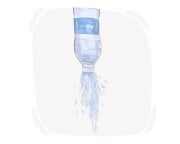
to drain
to drain
[동사]

to empty or remove liquid from a container or area

물기를 빼다, 배수하다

물기를 빼다, 배수하다

Ex: After boiling the pasta, he had to drain the water before serving. 
닫기
로그인
approximately

used to say that something such as a number or amount is not exact

대략, 약

대략, 약

Ex: The journey will take approximately two hours, depending on traffic. 
닫기
로그인
practical
practical
[형용사]

(of a method, idea, or plan) likely to be successful or effective

실용적인, 효과적인

실용적인, 효과적인

Ex: The engineer proposed a practical solution to the problem. 
닫기
로그인
alternative
alternative
[명사]

any of the available possibilities that one can choose from

대안,  선택

대안, 선택

Ex: We need to find an alternative if this plan doesn't work. 
닫기
로그인
surveying
surveying
[명사]

the practice of measuring angles and distances on the ground so that they can be accurately plotted on a map

측량,  지적 측량

측량, 지적 측량

닫기
로그인
geometry
geometry
[명사]

the branch of mathematics that deals with the relation between the lines, angles and surfaces or the properties of the space

기하학

기하학

Ex: She studied geometry to understand the principles of shapes and angles. 
닫기
로그인
adjustment
adjustment
[명사]

the act of making something suitable or adapting to specific circumstances by making necessary changes or modifications

조정,  적응

조정, 적응

Ex: After moving to the new city, he needed some time for adjustment. 
닫기
로그인
geological
geological
[형용사]

related to the study or processes of the Earth's structure, composition, and history

지질학의

지질학의

Ex: Geological formations, such as mountains and valleys, are shaped by tectonic forces over millions of years. 
닫기
로그인
to deviate
to deviate
[동사]

to diverge or stray from the usual or planned path

빗나가다, 벗어나다

빗나가다, 벗어나다

Ex: The airplane had to deviate from its original flight path due to severe weather conditions. 
닫기
로그인
set
set
[형용사]

decided, determined, or established by authority or prior agreement

설정된, 고정된

설정된, 고정된

Ex: They followed a set procedure for approvals. 
닫기
로그인
constantly
constantly
[부사]

in a way that continues without any pause

끊임없이,  계속해서

끊임없이, 계속해서

Ex: She was constantly checking her phone for messages. 
닫기
로그인
to penetrate
to penetrate
[동사]

to move through something, typically overcoming resistance

관통하다, 침투하다

관통하다, 침투하다

Ex: The bullet was designed to penetrate armor for increased effectiveness. 
닫기
로그인
mouth
mouth
[명사]

an opening that resembles a mouth (as of a cave or a gorge)

입,  입구

입, 입구

닫기
로그인
deviation
deviation
[명사]

separation from accepted norms, standards, or expected patterns of conduct

일탈, 편차

일탈, 편차

Ex: His deviation from the company's code of conduct led to his dismissal. 
닫기
로그인
inscription
inscription
[명사]

words, letters, or symbols that are engraved, carved, or written on a surface, often for commemorative, informational, or decorative purposes

비문, 조각

비문, 조각

Ex: The inscription on the ancient stone tablet provided clues about the civilization's language and customs. 
닫기
로그인
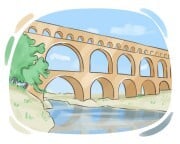
aqueduct
aqueduct
[명사]

a channel or pipeline used to transport water over a long distance, usually from a remote source to a town or city

수도교, 수로

수도교, 수로

Ex: The ancient Romans built aqueducts to supply their cities with water. 
닫기
로그인
lateral
lateral
[형용사]

situated at or directed toward the side or sides

측면의, 옆의

측면의, 옆의

Ex: We set up cameras to cover the front and lateral views of the stage area. 
닫기
로그인
link
link
[명사]

a relationship or connection between two or more things or people

연결, 관계

연결, 관계

Ex: There is a strong link between exercise and overall health. 
닫기
로그인
initial
initial
[형용사]

related to the beginning of a series or process

초기의, 첫 번째의

초기의, 첫 번째의

Ex: The initial stages of the project involved research and planning. 
닫기
로그인
obstacle
obstacle
[명사]

a physical object that blocks movement or progress

장애물, 방해물

장애물, 방해물

Ex: Fallen trees formed an obstacle on the hiking trail. 
닫기
로그인
mineral extraction

crushing and separating ore into valuable substances or waste by any of a variety of techniques

광물 추출, 채광

광물 추출, 채광

닫기
로그인
to locate
to locate
[동사]

to discover the exact position or place of something or someone

위치를 찾다, 발견하다

위치를 찾다, 발견하다

Ex: Using GPS coordinates, they were able to locate the missing hiker in the dense forest. 
닫기
로그인
mineral vein
mineral vein
[명사]

a layer of ore between layers of rock

광맥, 광석층

광맥, 광석층

닫기
로그인
to pursue
to pursue
[동사]

to go after someone or something, particularly to catch them

추적하다, 따라가다

추적하다, 따라가다

Ex: The police officer pursued the speeding car, signaling for it to pull over. 
닫기
로그인
trace
trace
[명사]

an indication or evidence of the former presence or existence of something

흔적, 자취

흔적, 자취

닫기
로그인
to mine
to mine
[동사]

to extract resources from the earth by digging

채굴하다, 캐다

채굴하다, 캐다

Ex: Coal miners use equipment to mine coal from underground deposits. 
닫기
로그인
sole
sole
[형용사]

existing without any others of the same type

유일한, 단독의

유일한, 단독의

Ex: She was the sole survivor of the shipwreck, stranded alone on the deserted island. 
닫기
로그인
straightforward
straightforward
[형용사]

easy to comprehend or perform without any difficulties

간단한, 직접적인

간단한, 직접적인

Ex: His explanation of the problem was straightforward, making it easy for everyone to understand. 
닫기
로그인
to quench
to quench
[동사]

cool (hot metal) by plunging into cold water or other liquid

담금질하다, 담그어 식히다

담금질하다, 담그어 식히다

닫기
로그인
to crack
to crack
[동사]

to break on the surface without falling into separate pieces

갈라지다, 금가다

갈라지다, 금가다

Ex: The frozen lake began to crack as temperatures rose, creating patterns on the surface. 
닫기
로그인
rate
rate
[명사]

the relative speed or pace of progress, growth, or decline

속도, 진행률

속도, 진행률

Ex: The rate of technological change is accelerating. 
닫기
로그인
(in|by) contrast
in contrast
[부사]

used to highlight the differences between two or more things or people

대조적으로, 반대로

대조적으로, 반대로

Ex: The old house had a charming, rustic feel, whereas the new one, in contrast, is sleek and modern. 
닫기
로그인
patron
patron
[명사]

an individual who financially supports an artist, charity, cause, etc.

후원자, 기부자

후원자, 기부자

Ex: As a dedicated supporter of the cause, she became a patron of the animal shelter, making regular donations to provide care and medical treatment for rescued animals. 
닫기
로그인
to divert
to divert
[동사]

to cause someone or something to change direction

돌리다, 방향을 바꾸다

돌리다, 방향을 바꾸다

Ex: The river's unexpected flooding prompted the emergency response team to divert residents to safer areas. 
닫기
로그인
to threaten
to threaten
[동사]

to indicate a potential danger or risk to someone or something

위협하다, 위협을 가하다

위협하다, 위협을 가하다

Ex: His aggressive behavior began to threaten the safety of those around him. 
닫기
로그인
harbor
harbor
[명사]

a sheltered area of water along the coast where ships, boats, and other vessels can anchor safely, typically protected from rough seas by natural or artificial barriers

항구, 항만

항구, 항만

Ex: The ships docked in the harbor to avoid the storm approaching from the open sea. 
닫기
로그인
to indicate
to indicate
[동사]

to show, point out, or suggest the existence, presence, or nature of something

나타내다, 가리키다

나타내다, 가리키다

Ex: The thermometer indicates that the temperature is rising. 
닫기
로그인
water table
water table
[명사]

underground surface below which the ground is wholly saturated with water

지하수면, 수위 표

지하수면, 수위 표

닫기
로그인
cross-section
cross-section
[형용사]

representing a plane made by cutting across something at right angles to its length

횡단면의, 단면

횡단면의, 단면

닫기
로그인
to attach
to attach
[동사]

to physically connect or fasten something to another thing

붙이다, 고정시키다

붙이다, 고정시키다

Ex: The artist has attached the canvas to the easel for painting. 
닫기
로그인
experienced
experienced
[형용사]

possessing enough skill or knowledge in a certain field or job

경험이 풍부한

경험이 풍부한

Ex: She is an experienced teacher with over twenty years of classroom experience. 
닫기
로그인
to carve
to carve
[동사]

to shape or create by cutting or sculpting, often using tools or a sharp instrument

조각하다, 새기다

조각하다, 새기다

Ex: He carved intricate patterns into the stone to create a decorative monument. 
닫기
로그인
corridor
corridor
[명사]

a narrow area of land that connects two larger places or follows along something like a road or river

복도, 통로

복도, 통로

Ex: The corridor links the coast with the inland valley. 
닫기
로그인
LanGeek
LanGeek 앱 다운로드