

pattern

Słownictwo Europy Zachodniej i Północnej - Francja

Przegląd

Fiszki

formy

Pisownia

Test

Zacznij naukę
Western and Northern Europe Vocabulary
to run
to run
[Czasownik]

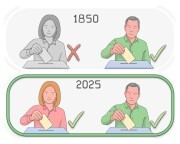
to own, manage, or organize something such as a business, campaign, a group of animals, etc.

kierować, zarządzać
kierować, zarządzać

Ex: She ran the family farm, overseeing the planting, harvesting, and sales of their crops. 
right
right
[Rzeczownik]

a thing that someone is legally, officially, or morally allowed to do or have

prawo, przywilej

prawo, przywilej

Ex: Everyone has the right to free speech. 
monarchy
monarchy
[Rzeczownik]

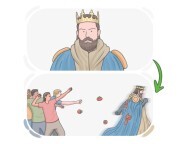
a system of government or a country or state that is ruled by a king or queen

monarchia, królestwo
monarchia, królestwo

Ex: The monarchy has existed in the country for centuries, with the king serving as the head of state. 
to overthrow
to overthrow
[Czasownik]

to forcefully remove a person of authority or power from their position

obalić, zdetronizować

obalić, zdetronizować

Ex: The citizens united to overthrow the corrupt leader and establish a new government. 
to establish
to establish
[Czasownik]

to create a company or organization with the intention of running it over the long term

założyć, ustanowić

założyć, ustanowić

Ex: After years of planning, they finally established their own tech startup in Silicon Valley. 
liberty
liberty
[Rzeczownik]

the right to act or be governed without unfair or oppressive control, often referring to freedom from external authority or interference

wolność, niezależność

wolność, niezależność

Ex: The revolution was driven by the people's desire for liberty and justice. 
equality
equality
[Rzeczownik]

the state of having the same opportunities, rights, status, etc. as others

równość

równość

Ex: Equality in education is essential for all students to succeed. 
fraternity
fraternity
[Rzeczownik]

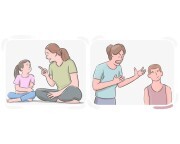
a feeling of friendship, unity, and mutual support among people

braterstwo, jedność
braterstwo, jedność

Ex: The disaster brought a sense of fraternity to the entire town. 
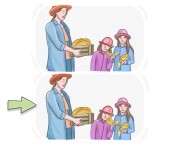
to treat
to treat
[Czasownik]

to deal with or behave toward someone or something in a particular way

traktować, zachowywać się wobec
traktować, zachowywać się wobec

Ex: Always treat animals with care and compassion. 
equally
equally
[przysłówek]

in a fair and even manner, without favoring one over the other

równo, sprawiedliwie
równo, sprawiedliwie

Ex: The siblings divided the candies equally between them. 
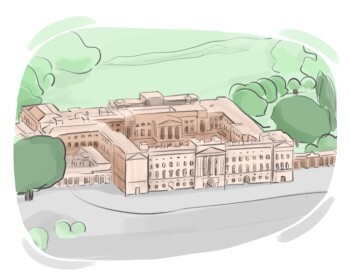
palace
palace
[Rzeczownik]

a large building that is the official home of a powerful or very important person such as a king, queen, pope, etc.

pałac, zamek

pałac, zamek

Ex: The royal palace gleamed in the sunlight, its marble facade adorned with intricate carvings and gilded accents. 
to declare
to declare
[Czasownik]

to officially tell people something

ogłaszać, deklarować

ogłaszać, deklarować

Ex: The country's leaders gathered to declare their independence from colonial rule. 
emperor
emperor
[Rzeczownik]

a male king that rules an empire

cesarz, władca

cesarz, władca

Ex: The emperor commanded his vast army to expand the empire's borders. 
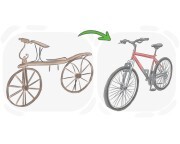
reform
reform
[Rzeczownik]

a change or improvement resulting from the correction of errors, abuses, or defects

reforma, przekształcenie
reforma, przekształcenie

Ex: The new policies brought reform to the education system. 
to modernize
to modernize
[Czasownik]

to update or improve something

modernizować, aktualizować

modernizować, aktualizować

Ex: The city decided to modernize its public transportation system by introducing new technology and infrastructure. 
legal system
legal system
[Rzeczownik]

a system for interpreting and enforcing the laws

system prawny, porządek prawny
system prawny, porządek prawny

heavily
heavily
[przysłówek]

to a great or considerable extent

mocno, w znacznym stopniu

mocno, w znacznym stopniu

Ex: The economy is heavily reliant on tourism. 
involved
involved
[przymiotnik]

actively participating or included in a particular activity, event, or situation

zaangażowany, uczestniczący

zaangażowany, uczestniczący

Ex: She was deeply involved in organizing the charity event, overseeing every detail to ensure its success. 
to occupy
to occupy
[Czasownik]

to come to power and control in a place using military force

okupować, zajmować

okupować, zajmować

Ex: The invading army sought to occupy the capital city, overthrowing the government and establishing military control. 
resistance
resistance
[Rzeczownik]

collective or organized action opposing those in authority or control

opór, sprzeciw

opór, sprzeciw

Ex: The workers formed a resistance against unfair labor practices. 
fighter
fighter
[Rzeczownik]

a person who engages in combat or armed struggle, especially in a war or conflict, often risking their life to protect or defend

bojownik, wojownik

bojownik, wojownik

Ex: The freedom fighter was celebrated for their bravery in the revolution. 
leading
leading
[przymiotnik]

proceeding ahead and guiding others

wiodący, przewodni

wiodący, przewodni

Ex: The leading scout moved ahead to find a safe path for the group. 
widely
widely
[przysłówek]

in a manner accepted, used, or practiced by a large number of people or throughout many locations

szeroko,  powszechnie

szeroko, powszechnie

Ex: The new smartphone model is widely available in stores. 
capital
capital
[Rzeczownik]

the main center associated with a particular activity or product

stolica, metropolia
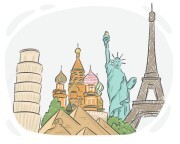
stolica, metropolia

Ex: The city became the fashion capital of the region. 
landmark
landmark
[Rzeczownik]

a structure or a place that is historically important

zabytek, historyczny punkt orientacyjny

zabytek, historyczny punkt orientacyjny

Ex: The Great Wall of China is a remarkable landmark that stretches across thousands of miles and has stood for centuries. 
monument
monument
[Rzeczownik]

a place or building that is historically important

pomnik

pomnik

Ex: The Eiffel Tower is a famous monument in Paris, attracting millions of tourists each year. 
to stand
to stand
[Czasownik]

to possess or exhibit a specific vertical height

mierzyć, posiadać

mierzyć, posiadać

Ex: The ancient tower stands 100 feet. 
literature
literature
[Rzeczownik]

written works that are valued as works of art, such as novels, plays and poems

literatura
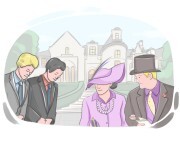
literatura

Ex: Her personal library was filled with an extensive collection of world literature, from ancient epics to contemporary short stories. 
respected
respected
[przymiotnik]

admired and valued by others for one's qualities, achievements, or actions

szanowany, ceniony
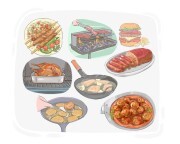
szanowany, ceniony

Ex: He was a respected elder in the community, known for his wisdom and compassion. 
cuisine
cuisine
[Rzeczownik]

a method or style of cooking that is specific to a country or region

kuchnia

kuchnia

Ex: They sampled a variety of Asian cuisine, including sushi, dim sum, and curry. 
croissant
croissant
[Rzeczownik]

a curved-shape roll that is sweet in taste and is usually eaten at breakfast

rogalik

rogalik

Ex: As a child, she always looked forward to her grandmother's mashed potatoes, made with love and seasoned with nostalgia. 
baguette
baguette
[Rzeczownik]

a loaf of bread that is narrow and long

bagietka

bagietka

Ex: She bought a fresh baguette from the bakery to accompany her meal of cheese and wine. 
snail
snail
[Rzeczownik]

a small, soft creature which carries a hard shell on its back and moves very slowly

ślimak,  pomrow

ślimak, pomrow

Ex: The snail crept slowly along the damp forest floor, leaving a glistening trail behind. 
biologist
biologist
[Rzeczownik]

a person who studies the science that deals with living organisms

biolog
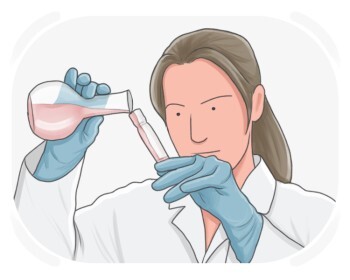
biolog

Ex: The biologist spent years researching the behavior of dolphins in the wild to better understand their social structures. 
chemist
chemist
[Rzeczownik]

a scientist who studies chemistry

chemik, naukowiec zajmujący się chemią

chemik, naukowiec zajmujący się chemią

Ex: As a chemist, he always wore safety goggles. 
pasteurization
pasteurization
[Rzeczownik]

partial sterilization of foods at a temperature that destroys harmful microorganisms without major changes in the chemistry of the food

pasteryzacja

pasteryzacja

to consume
to consume
[Czasownik]

to eat or drink something

konsumować, jeść lub pić

konsumować, jeść lub pić

Ex: After a long day at work, she was ready to consume a hearty meal. 
rabies
rabies
[Rzeczownik]

a viral disease of mammals, particularly dogs that is usually passed to humans through the bite of an infected animal

wścieklizna, choroba wścieklizny

wścieklizna, choroba wścieklizny

household name
household name
[Rzeczownik]

a person, brand, or product widely known and recognized by the general public

nazwisko znane wszystkim, znane nazwisko

nazwisko znane wszystkim, znane nazwisko

Ex: That actor has become a household name thanks to the hit series. 
to star
to star
[Czasownik]

to act as a main character in a play, movie, etc.

grać główną rolę, być gwiazdą

grać główną rolę, być gwiazdą

Ex: He starred in a critically acclaimed play at the local theater. 
elected official
elected official
[Rzeczownik]

official who won the office in a free election

prime minister
prime minister
[Rzeczownik]

the head of government in parliamentary democracies, who is responsible for leading the government and making important decisions on policies and law-making

premier, szef rządu

premier, szef rządu

Ex: The Prime Minister addressed the nation to announce new economic measures aimed at boosting employment. 
to locate
to locate
[Czasownik]

to be situated or established in a particular place

znajdować się, mieścić się

znajdować się, mieścić się

Ex: The museum is located near the river. 
to meet
to meet
[Czasownik]

to come into contact with or to join together

spotkać, połączyć się

spotkać, połączyć się

Ex: The two rivers meet at the confluence, creating a stunning natural spectacle. 
diverse
diverse
[przymiotnik]

showing a variety of distinct types or qualities

różnorodny, zróżnicowany

różnorodny, zróżnicowany

Ex: The team consisted of individuals from diverse backgrounds, bringing a range of experiences and perspectives to the table. 
landscape
landscape
[Rzeczownik]

an area of scenery visible in a single view

krajobraz, panorama

krajobraz, panorama

Ex: The hikers admired the mountain landscape at sunrise. 
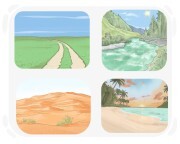
sandy
sandy
[przymiotnik]

containing or composed of sand

piaszczysty, piaszczysty
piaszczysty, piaszczysty

Ex: The soil in the garden was sandy, providing good drainage for plants. 
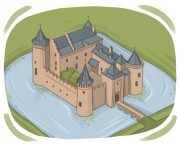
castle
castle
[Rzeczownik]

a large and strong building that is protected against attacks, in which the royal family lives

zamek, twierdza
zamek, twierdza

Ex: They toured the ancient castle, exploring its grand halls and secret passages. 
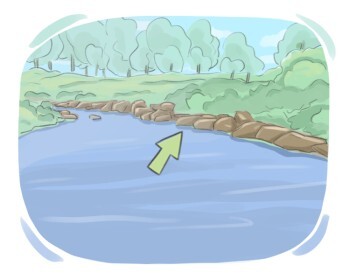
bank
bank
[Rzeczownik]

land along the sides of a river, canal, etc.

brzeg, nabrzeże
brzeg, nabrzeże

Ex: The children played on the sandy bank of the river, building sandcastles and skipping stones. 
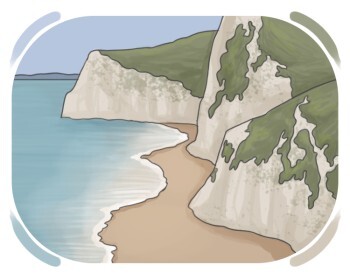
coast
coast
[Rzeczownik]

the land close to a sea, ocean, or lake

wybrzeże, brzeg
wybrzeże, brzeg

Ex: The coast was full of seashells and small pebbles. 
climate
climate
[Rzeczownik]

the typical weather conditions of a particular region

klimat, warunki pogodowe
klimat, warunki pogodowe

Ex: She prefers the tropical climate with its warm temperatures and abundant rainfall. 
mild
mild
[przymiotnik]

having a gentle or not very strong effect

łagodny, lekki
łagodny, lekki

Ex: Her mild response to criticism shows her maturity. 
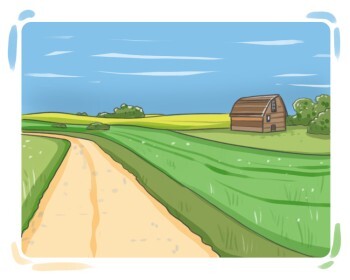
countryside
countryside
[Rzeczownik]

the area with farms, fields, and trees, that is outside cities and towns

wieś, obszar wiejski

wieś, obszar wiejski

Ex: They enjoyed taking long walks in the peaceful countryside. 
rolling
rolling
[przymiotnik]

having a gently rising and falling surface with many small hills

pagórkowaty

pagórkowaty

Ex: The village was surrounded by rolling hills. 
charming
charming
[przymiotnik]

(of a place) having a pleasant appearance and atmosphere

uroczy, czarujący

uroczy, czarujący

Ex: They stayed in a charming bed-and-breakfast in the countryside. 
to [fall] in love

to begin to feel a strong liking or deep emotional attachment to something
Ex: She fell in love with Italian food during her trip to Rome. 
fascinating
fascinating
[przymiotnik]

extremely interesting or captivating

fascynujący, porywający
fascynujący, porywający

Ex: The history of ancient civilizations is endlessly fascinating to archaeologists. 
revolution
revolution
[Rzeczownik]

the fundamental change of power, government, etc. in a country by people, particularly involving violence

rewolucja

rewolucja

Ex: The revolution led to the overthrow of the monarchy and the establishment of a republic. 
to rule
to rule
[Czasownik]

to control and be in charge of a country

rządzić, panować

rządzić, panować

Ex: The monarch ruled the kingdom with absolute authority. 
absolute
absolute
[przymiotnik]

holding complete, unrestricted power or control

absolutny, suwerenny

absolutny, suwerenny

Ex: The emperor was an absolute ruler, with no one daring to question his commands. 
grand
grand
[przymiotnik]

impressive in both size and quality, often considered as luxurious

wspaniały, luksusowy
wspaniały, luksusowy

Ex: The grand entrance of the palace was adorned with intricate carvings and golden trim. 
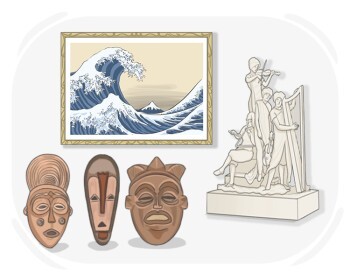
work of art
work of art
[Rzeczownik]

a creative product, such as a painting, sculpture, poem, or piece of music, that demonstrates strong imaginative or aesthetic appeal

dzieło sztuki, arcydzieło

dzieło sztuki, arcydzieło

Ex: The museum’s new exhibit features a work of art by Van Gogh, showcasing his unique use of color and texture. 
LanGeek
Pobierz aplikację LanGeek