
Książka Solutions - Średnio zaawansowany niższy - Jednostka 4 - 4C
Tutaj znajdziesz słownictwo z Unitu 4 - 4C w podręczniku Solutions Pre-Intermediate, takie jak "lawina", "głód", "epidemia" itp.
Przegląd
Fiszki
Pisownia
Test

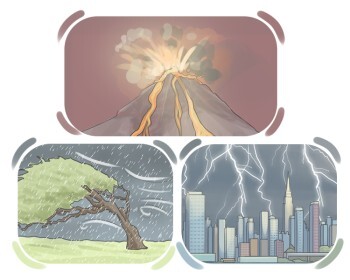
any destruction caused by the nature that results in a great amount of damage or the death of many, such as an earthquake, flood, etc.

klęska żywiołowa, katastrofa naturalna
Region jest podatny na klęski żywiołowe, w tym powodzie i tornada.
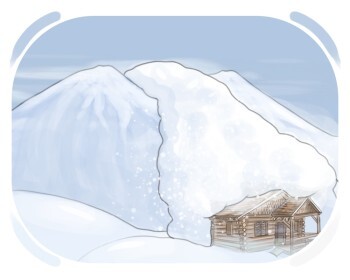
large amounts of snow falling from mountains
lawina
Wspinacze zostali złapani w lawinie.
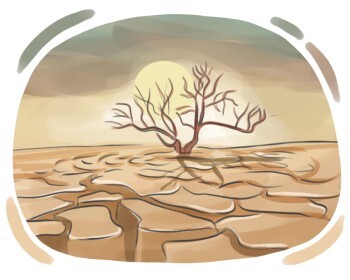
a long period of time when there is not much raining
susza, brak wody
Rząd ogłosił stan wyjątkowy z powodu suszy.
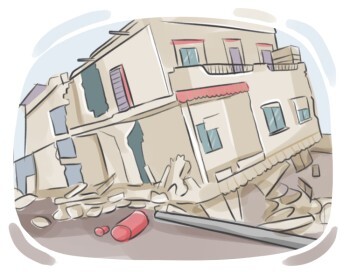
the sudden movement and shaking of the earth's surface, usually causing damage
trzęsienie ziemi, wstrząs
Po trzęsieniu ziemi nastąpiło kilka wstrząsów wtórnych.
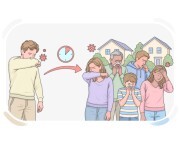
the rapid spread of an infectious disease within a specific population, community, or region, affecting a significant number of individuals at the same time
epidemia, wybuch choroby
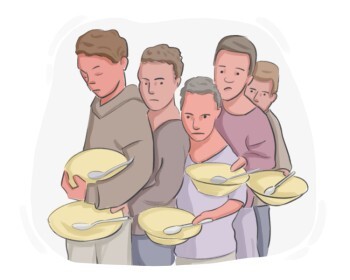
a situation where there is not enough food that causes hunger and death
głód, niedobór żywności
Głód dotknął zarówno obszary wiejskie, jak i miejskie.
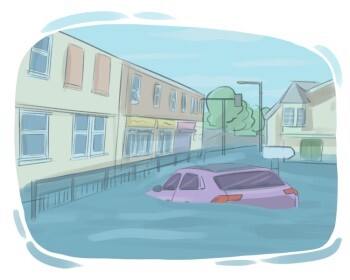
an overflow of water that covers land that is normally dry
powódź, zalanie
an uncontrolled and destructive fire that occurs in a forest or other wooded area
pożar lasu, pożar lasowy
Strażacy pracowali niestrudzenie, aby powstrzymać pożar lasu.
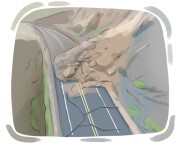
a large amount of mud and other materials that quickly moves down a hill, usually triggered by heavy rain or earthquake
osuwisko, spływ błotny
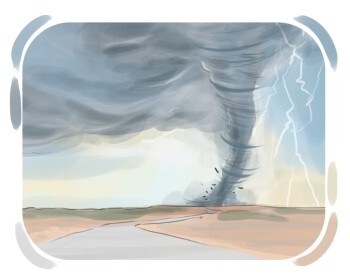
a strong and dangerous type of wind, which is formed like a turning cone, usually causing damage
tornado
Tornado szybko przemieściło się przez otwarte pola.
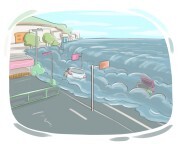
a very high wave or series of waves caused by an undersea earthquake or volcanic eruption
tsunami
Ocaleni z tsunami opowiadali historie o przytłaczającej sile i prędkości fal.
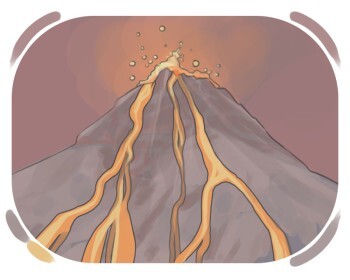
the sudden release of lava, gases, and ash from a volcano
erupcja wulkanu, wybuch wulkanu
Law z erupcji wulkanu spłynęła do oceanu.
