
Książka Solutions - Średnio zaawansowany wyższy - Wprowadzenie - IC
Tutaj znajdziesz słownictwo z Wprowadzenia - IC w podręczniku Solutions Upper-Intermediate, takie jak "niemowlę", "emigrować", "rozejść się" itp.
Przegląd
Fiszki
formy
Pisownia
Test

one of the phases in which a process or event is divided into

etap, faza
Choroba została zdiagnozowana w zaawansowanym etapie, wymagającym natychmiastowego leczenia.
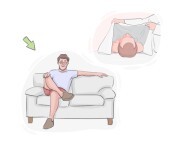
the state of existing as a person who is alive
życie, istnienie
Bieganie stało się dużą częścią mojego życia.
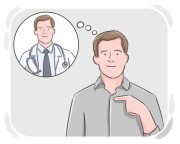
used when naming, or giving description or information about people, things, or situations
być, znajdować się
Ta roślina to słonecznik.
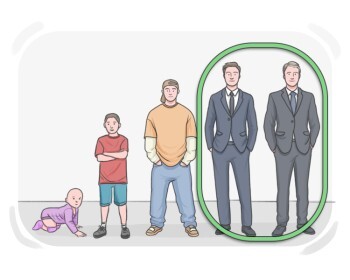
a fully grown man or woman
dorosły, osoba dorosła
Muzeum oferuje zniżkowe bilety dla seniorów i dorosłych.
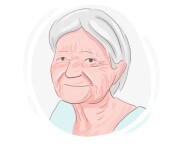
a person who has reached the age of 100 or more
stulatek, osoba
Stulatek przeszedł przez park z zaskakującą energią.
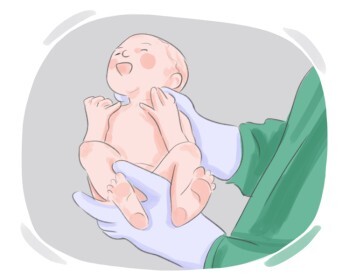
a very young child, typically from birth to around one year old
niemowlę, dziecko
Żłobek zapewnia bezpieczne i opiekuńcze środowisko dla niemowląt, podczas gdy ich rodzice są w pracy.
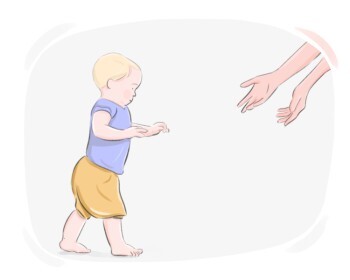
a young child who is starting to learn how to walk
maluch, dziecko zaczynające chodzić
Pierwsze słowa malucha zostały gorliwie świętowane przez całą rodzinę.
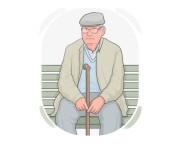
advanced in age
starszy, w podeszłym wieku
Starsza kobieta opowiadała historie z młodości, wspominając minione czasy.
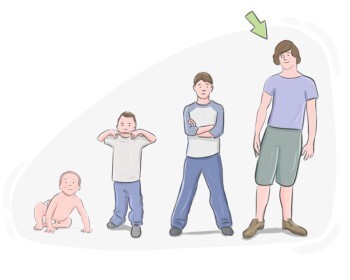
the period of one's life between the age of 13 and 19
nastolatki, lata nastoletnie
Młodość to czas, kiedy presja rówieśników może być szczególnie silna.
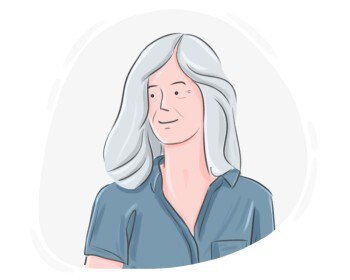
(of a person) approximately between 45 to 65 years old, typically indicating a stage of life between young adulthood and old age
w średnim wieku
Podziwiała mądrość swojego w średnim wieku mentora.
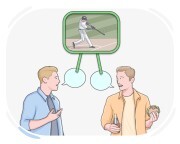
used to express the matters that relate to a specific person or thing
o, na temat
Dziś wieczorem w telewizji jest dokument o zmianach klimatu.
expressing the exact time when something happens
o, na
Sklep otwiera się o 9 rano.
used to indicate the person or entity performing an action
przez, od
Przemówienie zostało wygłoszone przez prezydenta.
used when stating one's opinion about someone or something
o
Jego ocena sytuacji była realistyczna, podkreślając zarówno wyzwania, jak i możliwości, które są przed nami.
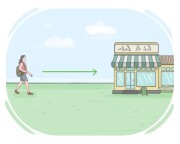
used to say where someone or something goes
do
Wędrują na szczyt góry, aby podziwiać oszałamiający widok.
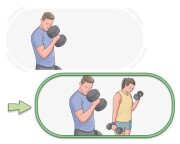
used when two or more things or people are together in a single place
z, wraz z
Rodzina urządziła piknik z sąsiadami w parku.
used for showing the place where a person or thing comes from
z, od
Ona pochodzi z małego miasteczka na Środkowym Zachodzie.
used to show a day or date
na, w
Mecz piłki nożnej jest w niedzielę.
the state of existing as a person who is alive
życie, istnienie
Bieganie stało się dużą częścią mojego życia.
anything that takes place, particularly something important
wydarzenie, impreza
Sportowe wydarzenie przyciągnęło tłum entuzjastycznych fanów.
![to [get] married](https://cdn.langeek.co/photo/39013/thumb/marry/350?type=jpeg "to [get] married")
to legally become someone's wife or husband

to get something in exchange for paying money
kupować
Zawsze kupuję świeże produkty na lokalnym targu rolnym.
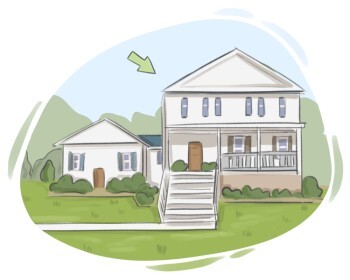
a building where people live, especially as a family
dom, mieszkanie
Zaprosił przyjaciół do swojego domu na obiad.
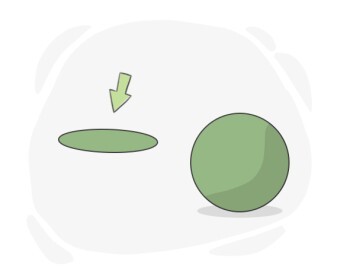
(of a surface) continuing in a straight line with no raised or low parts
płaski, równy
Papier był płaski, bez żadnych zagięć czy fałd.
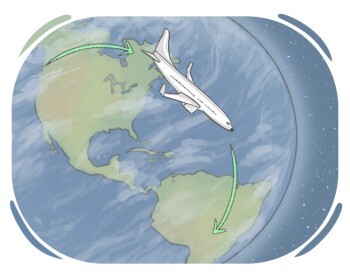
to leave one's own country in order to live in a foreign country
emigrować, przenieść się za granicę
Niestabilność polityczna i wyzwania gospodarcze skłoniły wielu obywateli do emigracji.
![to [be] born](https://cdn.langeek.co/photo/19817/thumb/born/350?type=jpeg "to [be] born")
to be brought into this world from a mother's body
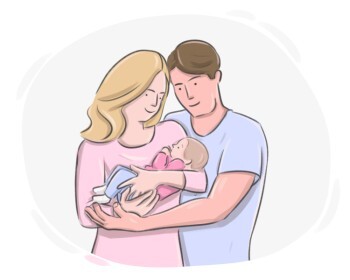
to look after a child until they reach maturity
wychowywać, hodować
Ciotka pomogła wychować swojego siostrzeńca po śmierci jego rodziców.
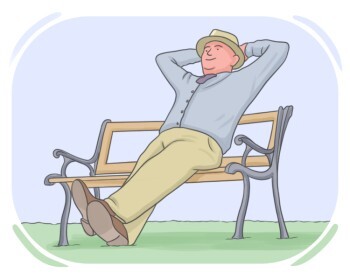
to leave your job and stop working, usually on reaching a certain age
przejść na emeryturę, wycofać się
Wielu sportowców przechodzi na emeryturę we wczesnych latach trzydziestych.
to begin something new and continue doing it, feeling it, etc.
zaczynać, rozpoczynać
Ona zaczęła używać nowego produktu do pielęgnacji skóry na trądzik.
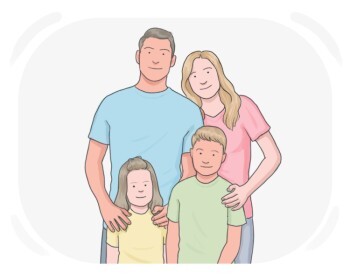
people that are related to each other by blood or marriage, normally made up of a father, mother, and their children
rodzina, krewni
Moja siostra jest moją najlepszą przyjaciółką i robimy wszystko razem jako rodzina.
![to [fall] in love](https://cdn.langeek.co/photo/40147/thumb/350?type=jpeg "to [fall] in love")
to start loving someone deeply
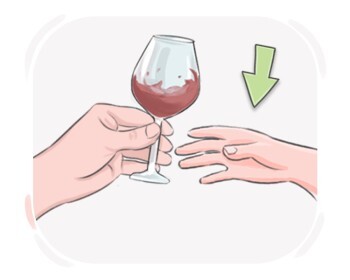
to receive or come to have something
otrzymywać, zdobywać
Czy dostałeś moją wiadomość o spotkaniu?
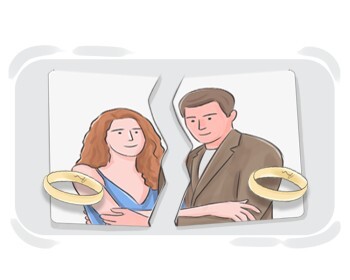
no longer married to someone due to legally ending the marriage
rozwiedziony
Mimo bycia rozwiedzionymi, wspólnie uczestniczyli w spotkaniach rodzinnych, aby wspierać swoje dzieci.
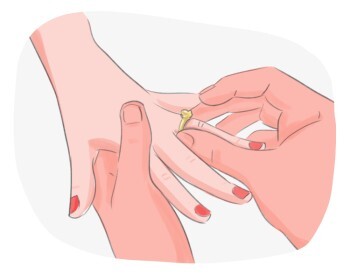
having formally agreed to marry someone
zaręczony
Zaręczona para często rozmawiała o swoich nadziejach i marzeniach na wspólną przyszłość.
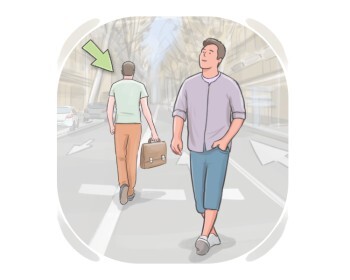
to travel or move from one location to another
iść, przemieszczać się
Poszedł do kuchni, aby przygotować obiad dla rodziny.
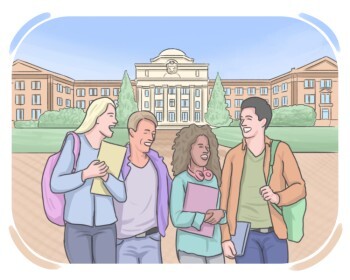
an educational institution at the highest level, where we can study for a degree or do research
uniwersytet
Mamy dziś popołudniu wykład na uniwersytecie o historii sztuki.
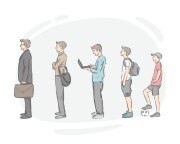
to change from being a child into an adult little by little
dorastać, stawać się dorosłym
Ona planuje przeprowadzkę do miasta, w którym dorastała.
to undergo or experience something
mieć, doświadczać
Poddaję się akupunkturze, aby złagodzić ból.
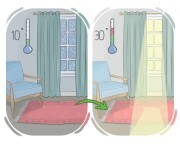
a process or result of becoming different
zmiana, modyfikacja
Akceptacja zmiany może prowadzić do osobistego wzrostu i rozwoju.
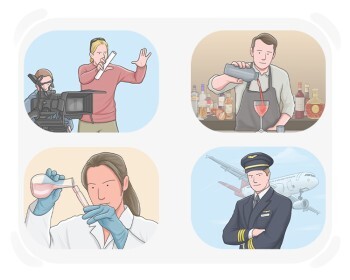
a profession or a series of professions that one can do for a long period of one's life
kariera, zawód
Pielęgniarstwo oferuje satysfakcjonującą karierę pomagając innym w potrzebie.
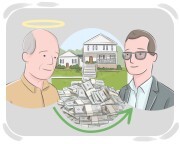
to receive money, property, etc. from someone who has passed away
dziedziczyć, otrzymać w spadku
Postanowiła przekazać część pieniędzy, które odziedziczyła, na cel charytatywny.
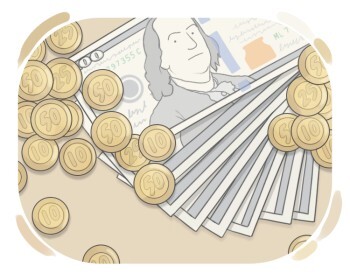
something that we use to buy and sell goods and services, can be in the form of coins or paper bills
pieniądze, waluta
Przekazała pieniądze na cele charytatywne, aby pomóc potrzebującym.
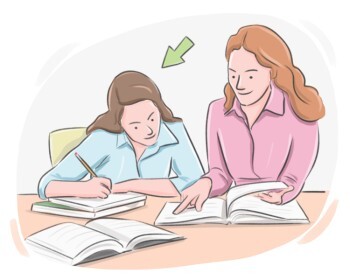
to become knowledgeable or skilled in something by doing it, studying, or being taught
uczyć się, studiować
Jestem chętny nauczyć się o różnych kulturach.
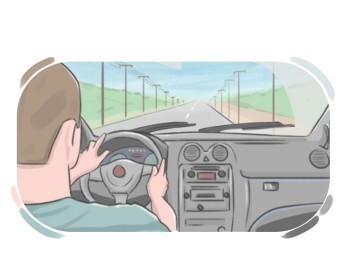
to control the movement and the speed of a car, bus, truck, etc. when it is moving
prowadzić
Po długim dniu pracy woli jechać do domu w ciszy.
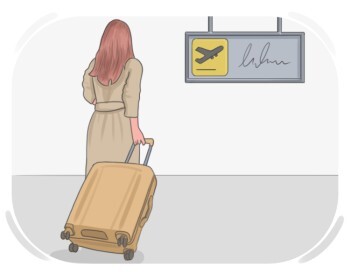
to go away from somewhere
wyjść, opuścić
Oni wyjadą na swoje wakacje jutro rano.
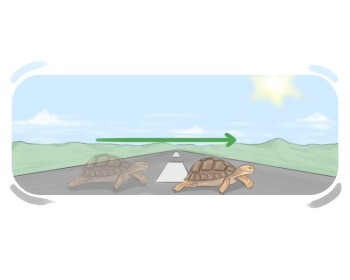
to change your position or location
poruszać się, przemieszczać się
Pociąg porusza się powoli z powodu obfitych opadów śniegu.

to no longer be alive
zmarł, odszedł
Zasmuciła nas wiadomość, że najstarszy mieszkaniec miasta zmarł w wieku 105 lat.

to end a romantic relationship or marriage
rozstać się, rozwieść się
To była trudna decyzja, ale ostatecznie zgodzili się rozstać i pójść osobno.
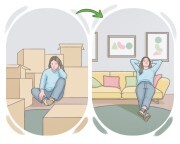
to find a place to live and embrace a more stable and routine way of life
osiąść, zadomowić się
Osiedlić się umożliwiło emerytom zamieszkanie w ciepłej i gościnnej społeczności.

the activity of providing services or products in exchange for money
biznes, przedsiębiorstwo
Ich rodzina posiada mały biznes sprzedający ręcznie robione rękodzieła.
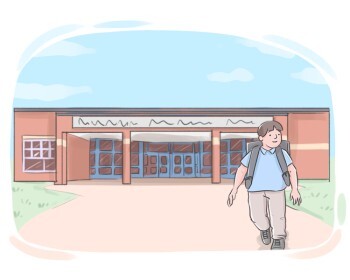
a place where children learn things from teachers
szkoła, placówka edukacyjna
Mamy projekt naukowy do oddania w przyszłym tygodniu w szkole.
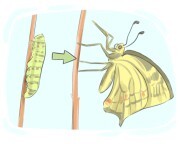
to start or grow to be
stać się, zostać
Stało się oczywiste, że nie byli przygotowani do prezentacji.
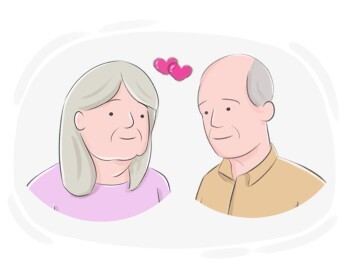
someone who is our mom or dad's parent
dziadek, babcia
Ona lubi słuchać opowieści swoich dziadków z czasów, gdy byli młodzi.
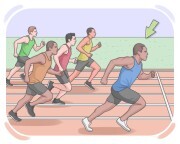
(of a person) coming or acting before any other person
pierwszy
Była jego pierwszą żoną.
the work that we do regularly to earn money
praca, zawód
Moja siostra ma pracę w restauracji jako kelnerka.
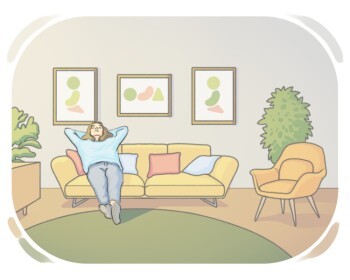
the place that we live in, usually with our family
dom, ognisko domowe
Ona lubi gotować posiłki dla swojej rodziny w kuchni ich domu.
to reach a specific place
dotrzeć, osiągnąć
Daj mi znać, kiedy dotrzesz do biura.
