
Książka Interchange - Średnio zaawansowany niższy - Jednostka 14 - Część 3
Tutaj znajdziesz słownictwo z Unitu 14 - Część 3 podręcznika Interchange Pre-Intermediate, takie jak "flow", "pure", "chew" itp.
Powtórka
Fiszki
Pisownia
Test
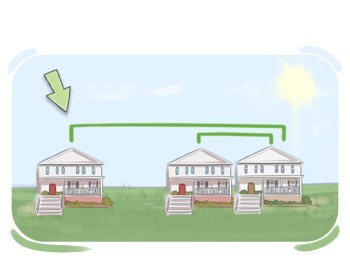
to or at a great distance

daleko,w oddali
Podróżowała daleko, aby odwiedzić swoich dziadków.
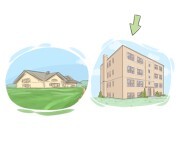
having a relatively great vertical extent
wysoki
Wysokie szczyty górskie były pokryte śniegiem.
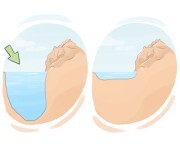
having a great distance from the surface to the bottom
głęboki
Ocean jest niesamowicie głęboki, niektóre jego części sięgają głębokości ponad 36 000 stóp.
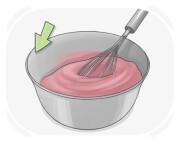
to combine two or more distinct substances or elements to form a unified whole
mieszać,łączyć
Szef starannie wymieszał składniki, aby stworzyć aromatyczny sos.
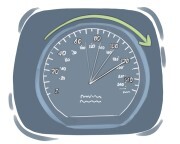
the rate at which a person or object moves
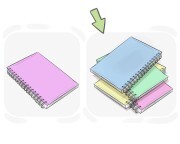
used to refer to more than two but not very many people or things
used to refer to more than two but not very many people or things

movement of a liquid in a continuous and steady manner
przepływ,strumień
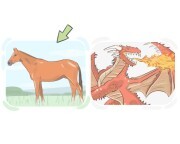
to have actual presence or reality, even if no one is thinking about it or noticing it
istnieć,być
Badania naukowe często starają się określić, czy pewne zjawiska istnieją.
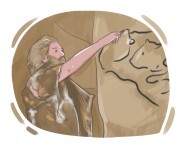
relating or belonging to the time before history was recorded
prehistoryczny,przedhistoryczny
Historycy badają prehistoryczne cywilizacje poprzez artefakty i malowidła jaskiniowe.
(of air) natural, unpolluted, and clean
świeży,czysty
Poszliśmy na spacer, aby cieszyć się świeżym powietrzem po całym dniu spędzonym w pomieszczeniach.

natural light that comes from the sun
światło słoneczne,promienie słoneczne
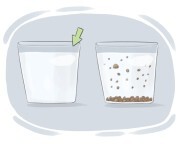
not combined or mixed with anything else
czysty,naturalny
Ona woli pić czystą wodę bez dodatków smakowych lub słodzików.
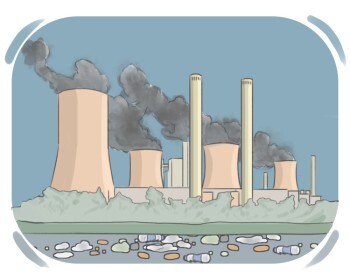
a change in water, air, etc. that makes it harmful or dangerous
zanieczyszczenie,skażenie
Zanieczyszczenie w jeziorze sprawiło, że woda stała się toksyczna dla ryb i roślin.
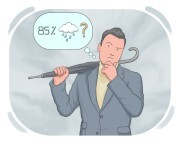
used to indicate that something is very likely to happen or be true, but is not certain

to an excellent or highly pleasing degree
cudownie,wspaniale
Nowy przepis okazał się wspaniale, wszyscy prosili o dokładkę.

to let someone or something do a particular thing
pozwalać,zezwalać
Ona pozwoliła swoim dzieciom bawić się w parku.

a glass or plastic container that has a narrow neck and is used for storing drinks or other liquids
butelka,flakon
Użył butelki z rozpylaczem, aby spryskać rośliny wodą.
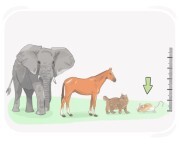
extremely small
malutki,drobny
Malutki kotek wygodnie mieścił się w jej dłoni.

the number of people who live in a particular city or country
populacja
Japonia ma szybko starzejącą się populację, co prowadzi do wyzwań gospodarczych.

(of a rule, law, or requirement) demanding complete obedience and allowing little or no flexibility
surowy, rygorystyczny
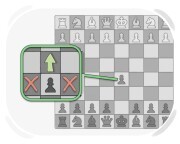
instructions or guidelines that determine how a game or sport is played
zasada,regulamin
Zasady szachów określają, jak porusza się każda figura.
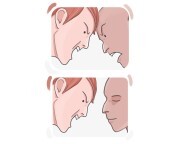
to act in a particular way
zachowywać się,działać
Pomimo trudnej sytuacji, nadal zachowywał się spokojnie.

to crush food into smaller, softer pieces with the teeth before swallowing it

a soft and sweet thing that a person chews for fun, fresh breath, or relaxation
guma do żucia,bubble gum

used to say that something depends on something else to happen or be true
chyba że, o ile nie
Nie może dostać pracy, chyba że spełnia wszystkie wymagania.
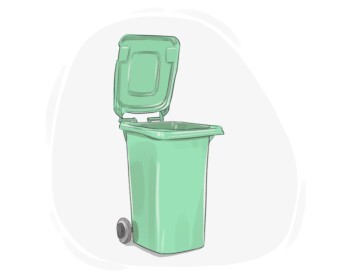
a container used for holding waste until it is thrown away or collected
kosz na śmieci, śmietnik
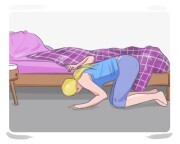
to search and discover something or someone that we have lost or do not know the location of
znaleźć,odnaleźć
Czy znalazłeś pilot do telewizora?
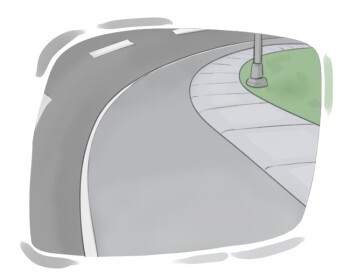
a pathway typically made of concrete or asphalt at the side of a street for people to walk on
chodnik,trotuar
Znalazł ciche miejsce, żeby usiąść na chodniku i cieszyć się kawą.
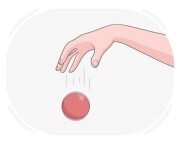
to accidentally or deliberately let something fall

to admire someone because of their achievements, qualities, etc.
szanować,podziwiać
Szanuję mojego dziadka za jego mądrość i życiowe doświadczenia.
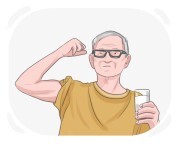
(of a person) not having physical or mental problems
zdrowy,krzepki
Pomimo swojego wieku, jest bardzo zdrowa i aktywna.
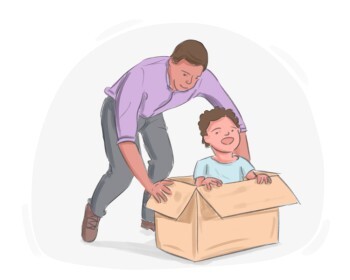
to amuse or interest someone so that they enjoy themselves
bawić

to give information about someone or something, especially in an official manner
informować,powiadamiać
Nauczyciel poinformował uczniów o nadchodzącym harmonogramie egzaminów i jego formacie.
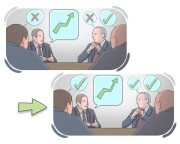
to make a person do something through reasoning or other methods
przekonywać,namawiać
Firma wykorzystała przekonującą kampanię reklamową, aby przekonać konsumentów do wypróbowania swojego nowego produktu.
| Książka Interchange - Średnio zaawansowany niższy | |||
|---|---|---|---|
| Jednostka 10 - Część 1 | Jednostka 10 - Część 2 | Jednostka 11 - Część 1 | Jednostka 11 - Część 2 |
| Jednostka 12 - Część 1 | Jednostka 12 - Część 2 | Jednostka 13 - Część 1 | Jednostka 13 - Część 2 |
| Jednostka 14 - Część 1 | Jednostka 14 - Część 2 | Jednostka 14 - Część 3 | Jednostka 15 |
| Jednostka 16 - Część 1 | Jednostka 16 - Część 2 | ||
