pattern

本 Interchange - 初中級 - ユニット14 - パート3

ここでは、Interchange Pre-Intermediateコースブックのユニット14 - パート3からの語彙を見つけることができます。例えば"flow"、"pure"、"chew"などです。

復習

フラッシュカード

綴り

クイズ
学習を開始
Interchange - Pre-intermediate
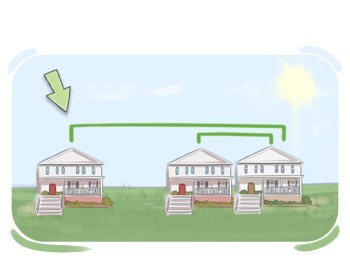
far
far
[副詞]

to or at a great distance

遠く,遠くに

遠く,遠くに

Ex: She could hear the music from far down the street. 

彼女は通りを遠くから音楽を聞くことができた。

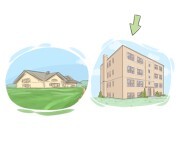
high
high
[形容詞]

having a relatively great vertical extent

高い

高い

Ex: She climbed to a high branch to get a better view of the sunset. 

彼女は日没をよりよく見るために高い枝に登った。

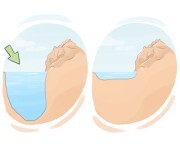
deep
deep
[形容詞]

having a great distance from the surface to the bottom

深い

深い

Ex: How deep is the lake at its deepest point? 

湖の最も深いところはどれくらい深いですか?

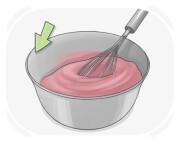
to mix
to mix
[動詞]

to combine two or more distinct substances or elements to form a unified whole

混ぜる,混合する

混ぜる,混合する

Ex: Bartenders expertly mix various spirits and juices to craft unique cocktails. 

バーテンダーは、ユニークなカクテルを作るために、さまざまなスピリッツとジュースを巧みに 混ぜます。
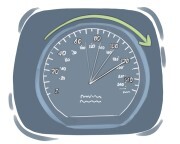
speed
speed
[名詞]

the rate at which a person or object moves
Ex: Time seemed to slow down as he watched the car approaching at high speed. 
several
several
[限定詞]

used to refer to more than two but not very many people or things

used to refer to more than two but not very many people or things

used to refer to more than two but not very many people or things

Ex: She received several invitations to different events this weekend. 
flow
flow
[名詞]

movement of a liquid in a continuous and steady manner

流れ,流量

流れ,流量

Ex: The flow of water from the river was particularly strong after the heavy rainfall. 

大雨の後、川からの水の流れが特に強かった。

to exist
to exist
[動詞]

to have actual presence or reality, even if no one is thinking about it or noticing it

存在する,ある

存在する,ある

Ex: The ancient ruins exist as a testament to past civilizations. 

古代の遺跡は過去の文明の証として存在する。

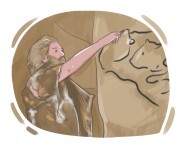
prehistoric
prehistoric
[形容詞]

relating or belonging to the time before history was recorded

先史時代の,有史以前の

先史時代の,有史以前の

Ex: Archaeologists discovered prehistoric artifacts in the cave. 

考古学者たちは洞窟で先史時代の遺物を発見しました。

fresh
fresh
[形容詞]

(of air) natural, unpolluted, and clean

新鮮な,清潔な

新鮮な,清潔な

Ex: Open the windows to let in some fresh air and cool down the room. 

窓を開けて新鮮な空気を入れ、部屋を涼しくしてください。

sunlight
sunlight
[名詞]

natural light that comes from the sun

太陽の光,日光
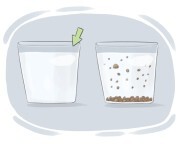
太陽の光,日光

Ex: Sunlight streamed through the open window. 
pure
pure
[形容詞]

not combined or mixed with anything else

純粋な,自然な

純粋な,自然な

Ex: The scientist isolated a pure sample of the compound for the experiment, ensuring accurate results. 

科学者は、正確な結果を確保するために、実験のために化合物の純粋なサンプルを分離しました。
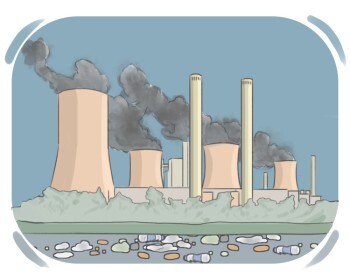
pollution
pollution
[名詞]

a change in water, air, etc. that makes it harmful or dangerous

汚染,公害

汚染,公害

Ex: Oil spills are a form of pollution that significantly damage marine ecosystems. 

石油流出は、海洋生態系に重大な損害を与える汚染の一形態です。

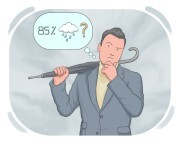
probably
probably
[副詞]

used to indicate that something is very likely to happen or be true, but is not certain

Ex: It will probably rain this afternoon. 
wonderfully
wonderfully
[副詞]

to an excellent or highly pleasing degree

素晴らしく,見事に

素晴らしく,見事に

Ex: The orchestra played wonderfully at last night's concert. 

オーケストラは昨夜のコンサートで素晴らしく演奏しました。

to allow
to allow
[動詞]

to let someone or something do a particular thing

許可する,許す

許可する,許す

Ex: The park doesn't allow dogs, except for service animals. 

公園は、サービスアニマルを除いて犬を許可していません。

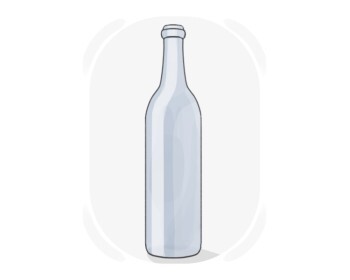
bottle
bottle
[名詞]

a glass or plastic container that has a narrow neck and is used for storing drinks or other liquids

ボトル,フラスコ

ボトル,フラスコ

Ex: They collected glass bottles for a recycling project. 

彼らはリサイクルプロジェクトのためにガラスの瓶を集めました。

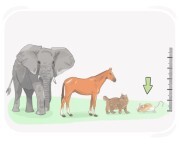
tiny
tiny
[形容詞]

extremely small

非常に小さい,ちっぽけな

非常に小さい,ちっぽけな

Ex: She had a tiny scar on her knee from a childhood accident. 

彼女は子供の頃の事故で膝に小さな傷跡があった。

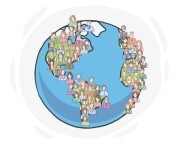
population
population
[名詞]

the number of people who live in a particular city or country

人口

人口

Ex: Cities struggle to build enough housing to accommodate rising populations. 

都市は増加する人口に対応するための十分な住宅を建設するのに苦労しています。

strict
strict
[形容詞]

(of a rule, law, or requirement) demanding complete obedience and allowing little or no flexibility

厳しい, 厳格な
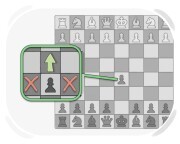
厳しい, 厳格な

Ex: The school has strict rules about student attendance. 
rule
rule
[名詞]

instructions or guidelines that determine how a game or sport is played

ルール,規定

ルール,規定

Ex: Rules ensure fairness in board games. 

ルールはボードゲームにおける公平性を保証します。

to behave
to behave
[動詞]

to act in a particular way

振る舞う,行動する

振る舞う,行動する

Ex: He behaves confidently when speaking in public. 

彼は人前で話すときに自信を持って振る舞う。

to chew
to chew
[動詞]

to crush food into smaller, softer pieces with the teeth before swallowing it
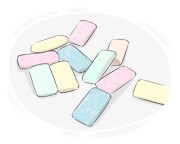
Ex: Olivia chewed her steak slowly before swallowing it. 
gum
gum
[名詞]

a soft and sweet thing that a person chews for fun, fresh breath, or relaxation

ガム,チューインガム

ガム,チューインガム

unless
unless
[接続詞]

used to say that something depends on something else to happen or be true

でない限り, しない限り

でない限り, しない限り

Ex: You won't pass the exam unless you study hard. 

一生懸命勉強しない限り、試験に合格しないでしょう。

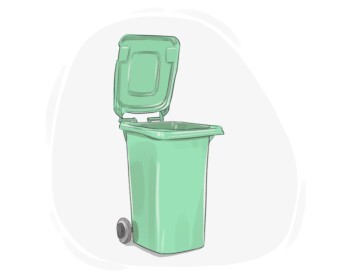
trash can
trash can
[名詞]

a container used for holding waste until it is thrown away or collected

ゴミ箱, ごみ箱

ゴミ箱, ごみ箱

Ex: Emily tossed the empty coffee cup into the trash can. 
to find
to find
[動詞]

to search and discover something or someone that we have lost or do not know the location of

見つける,発見する

見つける,発見する

Ex: They found their lost dog in the neighbor's yard. 

彼らは隣人の庭で迷子の犬を見つけました。

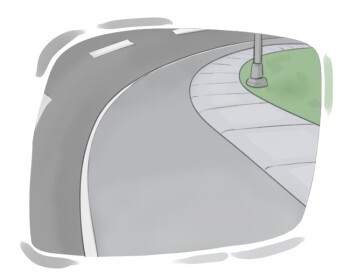
sidewalk
sidewalk
[名詞]

a pathway typically made of concrete or asphalt at the side of a street for people to walk on

歩道,舗道

歩道,舗道

Ex: She walked along the sidewalk on her way to the bus stop. 

彼女はバス停に向かう途中で歩道を歩いていた。

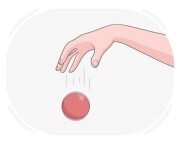
to drop
to drop
[動詞]

to accidentally or deliberately let something fall

Ex: Be careful not to drop your phone. 
to respect
to respect
[動詞]

to admire someone because of their achievements, qualities, etc.

尊敬する,賞賛する

尊敬する,賞賛する

Ex: The students respect their teacher for her passion and commitment to education. 

生徒たちは、教育に対する情熱と献身のために先生を尊敬しています。

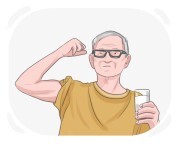
healthy
healthy
[形容詞]

(of a person) not having physical or mental problems

健康な,健やかな

健康な,健やかな

Ex: The healthy students were separated from the ones who had the flu. 

健康な学生はインフルエンザにかかっている学生から分けられました。

to entertain
to entertain
[動詞]

to amuse or interest someone so that they enjoy themselves

楽しませる

楽しませる

Ex: The magician entertained the children for nearly an hour. 
to inform
to inform
[動詞]

to give information about someone or something, especially in an official manner

知らせる,通知する

知らせる,通知する

Ex: The sign in the park informs visitors about the rules and regulations for maintaining a clean environment. 

公園の看板は、清潔な環境を維持するための規則や規制について訪問者に知らせます。
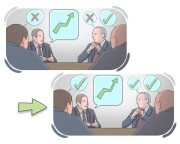
to persuade
to persuade
[動詞]

to make a person do something through reasoning or other methods

説得する,納得させる

説得する,納得させる

Ex: The activist worked tirelessly to persuade the community to participate in environmental conservation efforts. 

活動家は、環境保護活動に参加するようコミュニティを説得するために疲れ知らずに働いた。

LanGeek
LanGeekアプリをダウンロード