
Verbe ale Proceselor Mentale - Verbe pentru exprimarea unei opinii sau tendințe
Aici veți învăța câteva verbe în engleză care se referă la a avea o opinie sau tendință precum "a considera", "a înclina" și "a suspecta".
Revizuire
Fișe de studiu
forme
Ortografie
Chestionar


to think about someone or something in a specified way

considera, aprecia
to regard someone or something in a particular way
considera, ține cont de

to consider or judge someone or something in a particular way
considera, judeca
to interpret something with a specific viewpoint or assumption
a lua drept, a interpreta ca
Propunerea a fost luată drept o idee îndrăzneață și inovatoare.

to have a positive or favorable inclination or willingness towards a particular action, idea, or person
a înclina, a fi înclinat
După ce a examinat detaliile, ea a înclinat să sprijine noua politică.

to be likely to develop or occur in a certain way because that is the usual pattern
tinde, avea tendința

to incline someone toward a particular attitude, belief, or course of action
dispone

to favor something, especially an opinion
înclina spre, preferă
Comitetul s-a înclinat spre recomandarea consultantului independent.
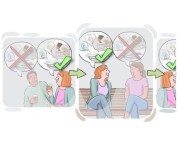
to hold an opinion that something is the case
crede, gândi

to have a type of belief or idea about a person or thing
gândi, crede

to accept, believe, or trust something as true
a crede, a accepta ca adevărat

to believe that someone is sincere, reliable, or competent
a avea încredere, a se încrede

to not believe or trust in something's truth or accuracy
se îndoi, pune la îndoială

to think that something is probably true, especially something bad, without having proof
bănui, suspecta
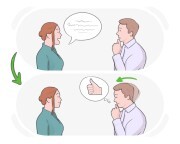
to wholeheartedly believe in a set of ideas
a crede cu totul în, a adera la
Angajații au fost încurajați să creadă cu totul în valorile și misiunea companiei pentru succesul pe termen lung.
to have a specific opinion or belief about someone or something
ține, avea

to regard someone or something in a certain way
considera, lua în considerare
