
Словарный запас для IELTS Academic (Оценка 6-7) - Язык и Грамматика
Здесь вы выучите некоторые английские слова, связанные с языком и грамматикой, которые необходимы для академического экзамена IELTS.
Обзор
Флэш-карточки
Правописание
Тест

the study of techniques and principles for using language effectively, especially in public speaking

риторический, словесный
Она изучала риторику, чтобы улучшить свои навыки дебатов.

(grammar) a letter or a set of letters that are added to the end of a word to alter its meaning and make a new word
суффикс
Студенты практиковались в добавлении различных суффиксов к корневым словам, чтобы увидеть, как меняются их значения.

(grammar) a letter or a set of letters that are added to the beginning of a word to alter its meaning and make a new word
приставка
Словарь предоставил список префиксов и их значений, чтобы помочь в словообразовании и понимании.
each of two or more words with the same spelling or pronunciation that vary in meaning and origin
омоним
Важно учитывать контекст при расшифровке значения омонима в предложении.
words, phrases, and expressions used by a specific group or profession, which are incomprehensible to others
жаргон
Медицинские работники часто используют жаргон, такой как 'stat', 'BP' и 'code blue', что может сбивать с толку тех, кто не связан со сферой здравоохранения.
a word or phrase that is not formal or literary and is used in everyday conversations
разговорная речь
a person who can speak or understand multiple languages
полиглот
Она полиглот, свободно говорящий на семи языках.
a word formed from the initial letters of a phrase, pronounced as a single word
инициальное сокращение
НАСА - это акроним для Национального управления по аэронавтике и исследованию космического пространства.

the shortened form of a word, etc.
сокращение
В официальном письме важно писать термин полностью перед использованием его сокращения.
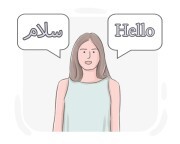
a person who can speak and understand two different languages with ease and fluency
двуязычный
Как билингв, она легко переключается между английским и испанским.
a person who speaks or is fluent in only one language
одноязычный
Будучи монолингвом, ей пришлось полагаться на переводчика во время заграничных поездок.
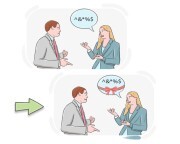
a word or expression that is used instead of a harsh or insulting one in order to be more tactful and polite
эвфемизм
"Между работами" — это эвфемизм для обозначения безработного.
the use of the same letter or sound at the beginning of the words in a verse or sentence, used as a literary device
аллитерация
Поэт использовал аллитерацию, чтобы создать мелодичный эффект в стихе.
the ability to deliver a clear and strong message
красноречие
Красноречие политика очаровало аудиторию и заслужило овации.
(grammar) a word coming before a noun or noun phrase to specify its denotation
определяющее слово

a system used to communicate with deaf people that involves using hands and body gestures instead of words
язык жестов, язык глухонемых
| Словарный запас для IELTS Academic (Оценка 6-7) | |||
|---|---|---|---|
| Инженерия | Технология | Интернет и Компьютер | Производство и Промышленность |
| История | Religion | Культура и Обычай | Язык и Грамматика |
| Искусство | Музыка | Кино и Театр | Литература |
| Архитектура | Маркетинг | Финансы | Управление |
| Медицина | Болезнь и Симптомы | Закон | Энергия и Мощность |
