
Vocabulário para IELTS Academic (Pontuação 6-7) - Língua e Gramática
Aqui, você aprenderá algumas palavras em inglês relacionadas à Linguagem e Gramática que são necessárias para o exame acadêmico IELTS.
Revisar
Flashcards
Ortografia
Quiz

the study of techniques and principles for using language effectively, especially in public speaking

retórica, oratória

(grammar) a letter or a set of letters that are added to the end of a word to alter its meaning and make a new word
sufixo, terminação
Os alunos praticaram a adição de diferentes sufixos às palavras raiz para ver como seus significados mudaram.

(grammar) a letter or a set of letters that are added to the beginning of a word to alter its meaning and make a new word
prefixo
O dicionário forneceu uma lista de prefixos e seus significados para ajudar na formação e compreensão de palavras.
each of two or more words with the same spelling or pronunciation that vary in meaning and origin
homônimo, homófono
Homónimo é uma palavra que pode significar uma competição ou um pau usado para acender uma fogueira.
words, phrases, and expressions used by a specific group or profession, which are incomprehensible to others
jargão, linguagem técnica
O jargão militar inclui frases como 'AWOL', 'RECON' e 'FOB', que fazem parte do linguagem cotidiana dos membros do serviço, mas podem ser confusas para os civis.
a word or phrase that is not formal or literary and is used in everyday conversations
coloquialismo, expressão coloquial
a person who can speak or understand multiple languages
poliglota, multilíngue
Sendo um poliglota, ele se comunicava facilmente com pessoas de diferentes países.
a word formed from the initial letters of a phrase, pronounced as a single word
acrônimo, sigla
O nome da empresa foi criado como um acrônimo a partir das iniciais de seus fundadores.

the shortened form of a word, etc.
abreviação, sigla
O livro didático forneceu uma chave para todas as abreviações usadas ao longo dos capítulos.

a person who can speak and understand two different languages with ease and fluency
bilíngue, pessoa bilíngue
A empresa valoriza os bilíngues para a comunicação internacional.
a person who speaks or is fluent in only one language
monolíngue, unilíngue
A população do país é em grande parte monolíngue, com muito poucas pessoas falando uma segunda língua.
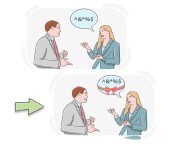
a word or expression that is used instead of a harsh or insulting one in order to be more tactful and polite
eufemismo, expressão suavizada
Em uma conversa educada, as pessoas podem usar o eufemismo 'banheiro' ou 'casa de banho' em vez de 'toalete' para se referir a um lugar onde se pode aliviar.
the use of the same letter or sound at the beginning of the words in a verse or sentence, used as a literary device
aliteração
A aliteração do slogan publicitário o tornou memorável e cativante.
the ability to deliver a clear and strong message
eloquência, habilidade de transmitir uma mensagem clara e forte
O professor elogiou o aluno pela eloquência do seu discurso de formatura.
(grammar) a word coming before a noun or noun phrase to specify its denotation
determinante, artigo

a system used to communicate with deaf people that involves using hands and body gestures instead of words
língua de sinais, linguagem de sinais
| Vocabulário para IELTS Academic (Pontuação 6-7) | |||
|---|---|---|---|
| Engenharia | Tecnologia | Internet e Computador | Fabricação e Indústria |
| História | Religion | Cultura e Costume | Língua e Gramática |
| Artes | Música | Cinema e Teatro | Literatura |
| Arquitetura | Marketing | Finanças | Gestão |
| Medicina | Doença e Sintomas | Lei | Energia e Potência |
