pattern

Словарный запас для IELTS General (Оценка 6-7) - Соединительные Наречия

Здесь вы выучите некоторые английские слова, связанные с союзными наречиями, которые необходимы для экзамена IELTS General Training.

Обзор

Флэш-карточки

Правописание

Тест

Начать учиться
Vocabulary for General Training IELTS (6-7)
nevertheless
nevertheless
[наречие]

used to introduce an opposing statement

тем не менее

тем не менее

Ex: The plan was risky; they proceeded nevertheless. 
Закрыть
Войти
however
however
[наречие]

used to add a statement that contradicts what was just mentioned

несмотря на

несмотря на

Ex: The weather forecast predicted rain; however, the sun is shining brightly. 

Прогноз погоды предсказывал дождь; однако, солнце ярко светит.

Закрыть
Войти
nonetheless
nonetheless
[наречие]

used to indicate that despite a previous statement or situation, something else remains true

всё же

всё же

Ex: The evidence was weak; the jury convicted him nonetheless. 

Доказательства были слабыми; тем не менее, присяжные признали его виновным.

Закрыть
Войти
otherwise
otherwise
[наречие]

used to refer to the outcome of a situation if the circumstances were different

иначе

иначе

Ex: You should pack your umbrella, otherwise you might get wet in the rain. 
Закрыть
Войти
consequently
consequently
[наречие]

used to indicate a logical result or effect

следовательно

следовательно

Ex: The team neglected to conduct thorough testing, and consequently, several critical errors emerged in the final product. 

Команда пренебрегла проведением тщательного тестирования, и как следствие, в конечном продукте появилось несколько критических ошибок.

Закрыть
Войти
hence
hence
[наречие]

used to say that one thing is a result of another

следовательно

следовательно

Ex: She missed the bus, hence she arrived late to the meeting. 

Она опоздала на автобус, следовательно она опоздала на встречу.

Закрыть
Войти
thus
thus
[наречие]

used to introduce a result based on the information or actions that came before

таким образом

таким образом

Ex: The road was closed; thus, we had to take a different route. 
Закрыть
Войти
likewise
likewise
[наречие]

used when introducing additional information to a statement that has just been made

также

также

Ex: She loves painting; her brother likewise enjoys spending time in the studio. 

Она любит рисовать; ее брат также любит проводить время в студии.
Закрыть
Войти
meanwhile
meanwhile
[наречие]

at the same time but often somewhere else

тем временем

тем временем

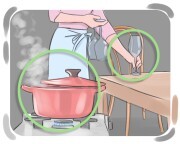
Ex: She started cooking dinner; meanwhile, her husband set the table. 

Она начала готовить ужин; тем временем, её муж накрыл на стол.

Закрыть
Войти
(in|by) contrast
in contrast
[наречие]

used to highlight the differences between two or more things or people

в отличие от

в отличие от

Ex: The two siblings have very different personalities—Tom is outgoing and sociable, while his sister Emily is shy and reserved, by contrast. 

У двух братьев и сестер очень разные характеры—Том общительный и компанейский, в то время как его сестра Эмили застенчивая и сдержанная, в контрасте.
Закрыть
Войти
in the (meantime|interime|meanwhile)
in the meantime
[наречие]

during the period of time while something else is happening or before a particular event occurs

промежуток времени между двумя событиями

промежуток времени между двумя событиями

Ex: They will be conducting research in the meantime to gather more information for the project. 

Они будут проводить исследования тем временем, чтобы собрать больше информации для проекта.

Закрыть
Войти
on the other (hand|)
on the other (hand)
[наречие]

used to introduce a contrasting aspect of a situation, especially when comparing it to a previous point

с другой стороны, в то же время

с другой стороны, в то же время

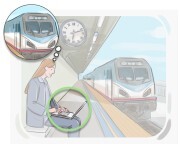
Ex: The job pays well; on the other hand, the hours are extremely long. 

Работа хорошо оплачивается ; с другой стороны, часы крайне длинные.

Закрыть
Войти
(in|by) comparison
in comparison
[наречие]

used to highlight differences or similarities when comparing two or more things or people

в сравнении, по сравнению

в сравнении, по сравнению

Ex: She has a much more relaxed approach to work when compared with her colleagues, in comparison. 

У нее гораздо более расслабленный подход к работе по сравнению с ее коллегами, в сравнении.

Закрыть
Войти
in conclusion
in conclusion
[наречие]

used to signal the end of a discussion or presentation by summarizing the main points

в заключение, подводя итоги

в заключение, подводя итоги

Ex: We have examined the impact of climate change on various ecosystems; in conclusion, urgent global action is needed to address these environmental challenges. 

Мы изучили влияние изменения климата на различные экосистемы; в заключение, необходимо срочное глобальное действие для решения этих экологических проблем.

Закрыть
Войти
in summary
in summary
[наречие]

used to provide a brief and straightforward explanation of the main points or ideas

вкратце, подводя итог

вкратце, подводя итог

Ex: In summary, the study highlights the importance of early intervention in child development. 

В итоге, исследование подчеркивает важность раннего вмешательства в развитие ребенка.

Закрыть
Войти
on the contrary
on the contrary
[наречие]

used to indicate that the opposite or a different viewpoint is true in response to a previous statement

напротив, вовсе нет

напротив, вовсе нет

Ex: John believed the project would fail, but, on the contrary, it was a great success. 

Джон считал, что проект провалится, но напротив, он имел большой успех.

Закрыть
Войти
conversely
conversely
[наречие]

in a way that is different from what has been mentioned

напротив

напротив

Ex: While the forecast predicted a sunny day, conversely, a sudden and unexpected storm rolled in. 

В то время как прогноз предсказывал солнечный день, напротив, внезапно и неожиданно разразилась буря.

Закрыть
Войти
afterward
afterward
[наречие]

in the time following a specific action, moment, or event

потом

потом

Ex: She completed her work, and afterward, she went for a walk. 

Она закончила свою работу, и после этого пошла на прогулку.

Закрыть
Войти
namely
namely
[наречие]

used to give more specific information or examples regarding what has just been mentioned

а именно

а именно

Ex: She had several hobbies, namely painting, gardening, and playing the piano. 

У нее было несколько хобби, а именно рисование, садоводство и игра на пианино.

Закрыть
Войти
Словарный запас для IELTS General (Оценка 6-7)
ПогодаНаречия СтепениНаречия Времени и ЧастотыНаречия Цели и Ударения
Соединительные Наречия
LanGeek
Скачать приложение LanGeek