
Slovní zásoba pro IELTS General (Skóre 6-7) - Spojkové Příslovce
Zde se naučíte některá anglická slova související s příslovečnými spojkami, která jsou nezbytná pro zkoušku IELTS General Training.
Revize
Kartičky
Pravopis
Kvíz

used to introduce an opposing statement

přesto, nicméně

used to add a statement that contradicts what was just mentioned
nicméně, však
Řekli jim, že produkt je drahý; nicméně se ukázalo, že je docela dostupný.

used to indicate that despite a previous statement or situation, something else remains true
přesto, nicméně
Jeho omluva vypadala neupřímně; přesto ji přijala přesto.

used to refer to the outcome of a situation if the circumstances were different
jinak, v opačném případě

used to indicate a logical result or effect
následně, proto
Společnost silně investovala do výzkumu a vývoje a v důsledku toho uvedla na trh inovativní produkty, které získaly větší podíl na trhu.

used to say that one thing is a result of another
proto, tedy
Společnost investovala do programů školení zaměstnanců; proto se celkový výkon a efektivita zlepšily.

used to introduce a result based on the information or actions that came before
tudíž, proto
used when introducing additional information to a statement that has just been made
stejně tak, podobně
Měl obavy z rozpočtu a investoři stejně tak měli finanční obavy.
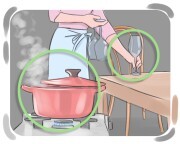
at the same time but often somewhere else
mezitím, současně
used to highlight the differences between two or more things or people
na rozdíl, naopak
Starý dům měl okouzlující, rustikální atmosféru, zatímco nový, naopak, je elegantní a moderní.
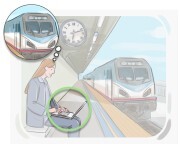
during the period of time while something else is happening or before a particular event occurs
mezitím, zatím
Lékař vyšetřuje dalšího pacienta. Mezitím se můžete uvolnit v čekárně.

used to introduce a contrasting aspect of a situation, especially when comparing it to a previous point
na druhé straně, naopak
Plán by mohl ušetřit peníze. Na druhou stranu by mohl riskovat kvalitu.
used to highlight differences or similarities when comparing two or more things or people
ve srovnání, v porovnání
Nové auto je ve srovnání mnohem rychlejší než staré.
used to signal the end of a discussion or presentation by summarizing the main points
závěrem, na závěr
Závěrem, výzkum ukazuje, že cvičení má četné zdravotní výhody.
used to provide a brief and straightforward explanation of the main points or ideas
shrnutí, pro shrnutí
Stručně řečeno, workshop poskytl účastníkům praktické nástroje a strategie pro efektivní komunikaci.
used to indicate that the opposite or a different viewpoint is true in response to a previous statement
naopak, právě naopak
Někteří lidé věří, že delší pracovní doba vede k větší produktivitě. Naopak, studie ukázaly, že nadměrné pracovní hodiny mohou vést k vyhoření a snížení efektivity.
in a way that is different from what has been mentioned
naopak, obráceně
Nová politika prospívá větším společnostem; naopak menší firmy mohou zápasit.

in the time following a specific action, moment, or event
poté, následně
Nechtěla se zúčastnit workshopu, ale poté si uvědomila, jak cenný byl.
used to give more specific information or examples regarding what has just been mentioned
konkrétně, tj.
Festival zahrnoval různé akce, konkrétně koncerty, workshopy a umělecké výstavy.
| Slovní zásoba pro IELTS General (Skóre 6-7) | |||
|---|---|---|---|
| Počasí | Příslovce Stupně | Příslovce Času a Frekvence | Příslovce Účelu a Důrazu |
| Spojkové Příslovce | |||
