
Естественные Науки SAT - Биохимия и клеточная структура
Здесь вы выучите некоторые английские слова, связанные с биохимией и клеточной структурой, такие как "липид", "фермент" и "ткань", которые вам понадобятся для успешной сдачи SAT.
Обзор
Флэш-карточки
Правописание
Тест

a substance found in the cell walls of plants, providing structure and making up dietary fiber

целлюлоза, пищевые волокна
Растения используют целлюлозу в качестве структурного компонента в своих клеточных стенках.
a natural sugar found in fruits and honey, often used to sweeten foods and drinks
фруктоза, плодовый сахар
Фрукты содержат фруктозу, что способствует их естественной сладости.
a basic kind of sugar that is a component of carbohydrates and provides energy for many living organisms
глюкоза
a short chain of amino acids linked together, which can function as a building block for proteins or act as a signaling molecule in the body
пептид, короткая цепочка аминокислот
Ученые синтезировали пептид, чтобы изучить его потенциал в качестве нового терапевтического препарата.
a type of pigment found in plants, algae, and some bacteria, responsible for bright red, yellow, and orange colors and important for photosynthesis and antioxidant activity
каротиноид, пигмент каротиноид
Ярко-оранжевый цвет моркови обусловлен высокой концентрацией каротиноидов в её тканях.

a substance that all living organisms produce that brings about a chemical reaction without being altered itself
фермент
the entire set of proteins expressed by a cell, tissue, or organism at a specific time under defined conditions
протеом, полный набор белков
Ученые использовали масс-спектрометрию для анализа протеома раковых клеток, выявив потенциальные биомаркеры для раннего обнаружения.
a molecule that forms the basic building block of DNA and RNA, consisting of a sugar, a phosphate group, and a nitrogenous base
нуклеотид
Последовательность нуклеотидов в ДНК определяет генетическую информацию.
a simple sugar molecule, the most basic form of carbohydrates that cannot be further hydrolyzed
моносахарид
Организм метаболизирует углеводы в моносахариды для получения энергии.
a fundamental compound derived from glutamic acid, integral to biological functions and known for its role as a neurotransmitter in the central nervous system
глутамат, фундаментальное соединение
Глутамат натрия (глутамат) — это популярная пищевая добавка, используемая для усиления вкуса блюд.
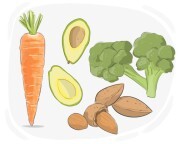
a substance, such as vitamin E, that helps clean the body of harmful substances
антиоксидант
Грецкие орехи были хорошим источником антиоксидантов, что делало их полезным для сердца вариантом перекуса.
any of a class of organic substances that do not dissolve in water that include many natural oils, waxes, and steroids
липид
a specialized, membrane-bound structure within a cell that performs specific functions, contributing to the cell's overall structure and function
органелла, клеточная органелла
Ядро, органелла, содержащая генетический материал, регулирует клеточную деятельность.
relating to or characteristic of mitochondria, which are organelles found in cells responsible for energy production
митохондриальный, связанный с митохондриями
Митохондриальные заболевания могут быть вызваны мутациями в генах митохондриальной ДНК.
the gel-like, semifluid substance within a cell that surrounds the organelles, providing a medium for cellular activities, including metabolism, transport of substances, and support for cellular structures
цитоплазма, цитоплазматическое вещество
Цитоплазма заполняет внутреннюю часть клетки, служа поддерживающей средой для клеточных структур и деятельности.
a green pigment found in all green plants and cyanobacteria that is responsible for the absorption of the sunlight needed for the photosynthesis process
хлорофилл
Хлорофилл отвечает за зеленый цвет растений, отражая его роль в фотосинтезе.
a thin sheet of tissue that separates or covers the inner parts of an organism
мембрана
Клеточная мембрана защищает внутреннюю часть клетки.
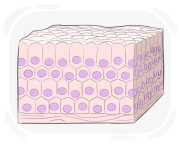
a group of cells in the body of living things, forming their different parts
ткань
Мышечная ткань обеспечивает движение и поддерживает структуру тела.
a cellular organelle involved in the processing, packaging, and distribution of proteins and lipids within the cell, consisting of a stack of flattened membrane sacs called cisternae
Аппарат Гольджи, Комплекс Гольджи
Аппарат Гольджи модифицирует и упаковывает белки, обеспечивая их правильную форму и функциональность.
a tiny structure within cells that assembles proteins by reading the genetic instructions carried by messenger RNA
рибосома
Рибосомы — это клеточные фабрики, ответственные за построение белков, необходимых для различных биологических функций.
a small, enzyme-filled sac in a cell that breaks down waste materials and unwanted substances
лизосома, ферментный пузырек
Лизосомы действуют как «центры переработки» клеток, расщепляя и переваривая клеточные отходы.
a cell organelle in plants, fungi, and some protists that stores nutrients, manages waste, and helps maintain cell pressure
вакуоль, везикула
Вакуоли в растительных клетках могут содержать пигменты, придавая цветам и плодам их яркие цвета.
(biology) the part of a cell that contains most of the genetic information
ядро
Ядро клетки содержит генетический материал в форме ДНК, который регулирует клеточную деятельность.
a plant cell organelle that uses sunlight to produce energy and make glucose through photosynthesis
хлоропласт, фотосинтетический органоид
Хлоропласты — это зеленые структуры в растительных клетках, где происходит фотосинтез, процесс преобразования света в энергию.
a network of protein fibers in a cell that gives it shape, supports its structure, and aids in movement
цитоскелет, клеточный скелет
Цитоскелет действует как внутренние леса клетки, поддерживая ее форму и структурную целостность.
a branch of biology concerning the scientific study of the form and structure of an organism including plants and animals
морфология
a layer of actively dividing cells in plants, responsible for secondary growth by producing new xylem and phloem tissues
камбий, образовательная ткань
Сосудистый камбий у деревьев добавляет слои древесины и коры каждый год, способствуя росту ствола.
