
Nauki Przyrodnicze SAT - Biochemia i struktura komórki
Tutaj nauczysz się niektórych angielskich słów związanych z biochemią i strukturą komórkową, takich jak "lipid", "enzym" i "tkanka", które będą Ci potrzebne do zdania SAT.
Powtórka
Fiszki
Pisownia
Test

a substance found in the cell walls of plants, providing structure and making up dietary fiber

celuloza,błonnik pokarmowy
Dietetyk zaleca spożywanie pokarmów bogatych w celulozę w celu zwiększenia ilości błonnika pokarmowego.
a natural sugar found in fruits and honey, often used to sweeten foods and drinks
fruktoza,cukier owocowy
Organizm przetwarza fruktozę inaczej niż inne cukry, takie jak glukoza.
(biochemistry) a simple sugar that is the main source of energy for cells in the body
glukoza,cukier gronowy
a short chain of amino acids linked together, which can function as a building block for proteins or act as a signaling molecule in the body
peptyd,krótki łańcuch aminokwasów
Niektóre peptydy działają jak hormony, wpływając na różne procesy fizjologiczne w organizmie.
a type of pigment found in plants, algae, and some bacteria, responsible for bright red, yellow, and orange colors and important for photosynthesis and antioxidant activity
karotenoid,pigment karotenoidowy
Pomidory są bogate w likopen, karotenoid znany ze swoich potencjalnych korzyści zdrowotnych.
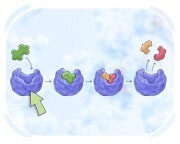
a biological molecule, usually a protein, that speeds up a specific chemical reaction without being consumed in the process
enzym,ferment
the entire set of proteins expressed by a cell, tissue, or organism at a specific time under defined conditions
proteom,cały zestaw białek
Postępy w proteomice pozwoliły naukowcom na bardziej kompleksowe mapowanie proteomu człowieka.
a molecule that forms the basic building block of DNA and RNA, consisting of a sugar, a phosphate group, and a nitrogenous base
nukleotyd
Waluta energetyczna komórek, ATP, to nukleotyd z trzema grupami fosforanowymi.
a simple sugar molecule, the most basic form of carbohydrates that cannot be further hydrolyzed
monosacharyd
Komórki wykorzystują monosacharydy jako główne źródło energii.
a fundamental compound derived from glutamic acid, integral to biological functions and known for its role as a neurotransmitter in the central nervous system
glutaminian,związek podstawowy pochodzący od kwasu glutaminowego, integralny dla funkcji biologicznych i znany ze swojej roli jako neuroprzekaźnik w ośrodkowym układzie nerwowym
Receptory glutaminianu na komórkach nerwowych odgrywają znaczącą rolę w procesach uczenia się i pamięci.
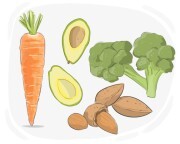
a substance, such as vitamin E, that helps clean the body of harmful substances
przeciwutleniacz
Borówki były bogate w przeciwutleniacze, które pomagały chronić organizm przed wolnymi rodnikami.
(biochemistry) an oily or fatty molecule that does not dissolve in water and is a key building block of cell membranes
lipid, tłuszcz
a specialized, membrane-bound structure within a cell that performs specific functions, contributing to the cell's overall structure and function
organellum,organella
Błona plazmatyczna, choć nie zawsze nazywana organellum, jest istotną granicą komórkową.
relating to or characteristic of mitochondria, which are organelles found in cells responsible for energy production
mitochondrialny, związany z mitochondriami
Transplantacja mitochondrialna to procedura medyczna mająca na celu zastąpienie dysfunkcyjnych mitochondriów zdrowymi.
the gel-like, semifluid substance within a cell that surrounds the organelles, providing a medium for cellular activities, including metabolism, transport of substances, and support for cellular structures
cytoplazma,substancja cytoplazmatyczna
Oddychanie komórkowe, ważny proces wytwarzania energii, zachodzi w cytoplazmie.
a green pigment found in all green plants and cyanobacteria that is responsible for the absorption of the sunlight needed for the photosynthesis process
chlorofil,zielony barwnik
Badanie chlorofilu i jego wariantów przyczynia się do naszego zrozumienia molekularnych mechanizmów stojących za fotosyntezą.
a thin layer of living tissue that covers, lines, connects, or separates parts of an organism
błona, membrana
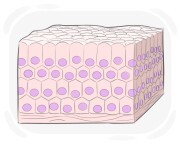
a group of similar cells that work together to form a particular part of a human, animal, or plant
tkanka, tkanka biologiczna
a cellular organelle involved in the processing, packaging, and distribution of proteins and lipids within the cell, consisting of a stack of flattened membrane sacs called cisternae
Aparat Golgiego,Kompleks Golgiego
Komórki roślinne wykorzystują aparat Golgiego do produkcji składników ściany komórkowej i innych niezbędnych biomolekuł.
a tiny structure within cells that assembles proteins by reading the genetic instructions carried by messenger RNA
rybosom
Antybiotyki, takie jak tetracyklina i streptomycyna, celują w bakteryjne rybosomy, hamując syntezę białek.
a small, enzyme-filled sac in a cell that breaks down waste materials and unwanted substances
lizosom,pęcherzyk wypełniony enzymami
Kwaśne środowisko wewnątrz lizosomów wspomaga optymalne funkcjonowanie ich enzymów trawiennych.
a cell organelle in plants, fungi, and some protists that stores nutrients, manages waste, and helps maintain cell pressure
wakuola,pęcherzyk
W niektórych tkankach roślinnych wakuole magazynują toksyczne substancje, aby odstraszyć roślinożerców.
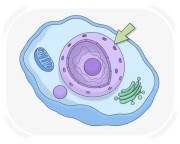
(biology) the part of a cell that contains most of the genetic information
jądro,nukleus
Jądro komórki zawiera materiał genetyczny w postaci DNA, który reguluje aktywność komórkową.
a plant cell organelle that uses sunlight to produce energy and make glucose through photosynthesis
chloroplast,organellum fotosyntetyczne
Chloroplasty odgrywają kluczową rolę w utrzymaniu równowagi tlenu i dwutlenku węgla w atmosferze.
a network of protein fibers in a cell that gives it shape, supports its structure, and aids in movement
cytoszkielet,szkielet komórkowy
Podczas migracji komórek cytoszkielet pomaga komórkom poruszać się i zmieniać kształt poprzez rozszerzanie wypustek.
a branch of biology concerning the scientific study of the form and structure of an organism including plants and animals
morfologia,naukowe badanie formy i struktury organizmów
a layer of actively dividing cells in plants, responsible for secondary growth by producing new xylem and phloem tissues
kambium,tkanka twórcza
Aktywność warstwy kambium pozwala roślinom wieloletnim zwiększać obwód i wytrzymywać stres środowiskowy.
