ou In American English
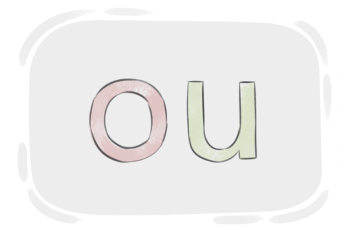
'ou' is one of the most common digraphs in English grammar. In this lesson, we will learn how it is pronounced.
Digraphs are a set of two letters that stand together and produce a new sound.
Digraph | ou |
|---|---|
Name | ui (pronounced /ˈəʊ ˈjuː/) |
Common Sound(s) | /aʊ/, /ʌ/, /uː/, /oʊ/, /ə/, /ʊ/ |
The Digraph 'ou'
Sound 1: /aʊ/
'ou' always stands in the middle of words and it can sound /aʊ/:
house /haʊs/
cloud /klaʊd/
mountain /ˈmaʊn.tɪn/
fountain /ˈfaʊn.tən/
Sound 2: /ʌ/
'ou' in the middle of words also sounds /ʌ/:
touch /tʌtʃ/
tough /tʌf/
cousin /ˈkʌz.ən/
Sound 3: /uː/
'ou' standing in the middle of words or in the word 'you' can sound /uː/:
group /ɡruːp/
soup /suːp/
you /juː/
Sound 4: /oʊ/
'ou' standing in the middle of words can sound /oʊ/:
shoulder /ˈʃoʊl.dɚ/
boulder /ˈboʊl.dɚ/
soul /soʊl/
Sound 5: /ə/
'ou' mainly in 'ous', that stands at the end of words, sounds /ə/:
enormous /ɪˈnɔː.məs/
famous /ˈfeɪ.məs/
glamorous /ˈɡlæm.ər.əs/
courageous /kəˈreɪ.dʒəs/
Sound 6: /ʊ/
'ou' standing in the middle of words also sounds /ʊ/ especially in the word 'tour' and its derived forms.
contour /ˈkɑːn.tʊr/
tour /tʊr/
tourist /ˈtʊr.ɪst/
Tip!
In the word 'cough', the letters 'ou' sound /ɑ/:
cough /kɑf/
Sound 7: /ɔ/
'ou' can sound /ɔ/, too:
thought /θɔt/
wrought /ɹɔt/
bought /bɔt/
Comments
(0)
Recommended

