Past Progressive For Intermediate learners
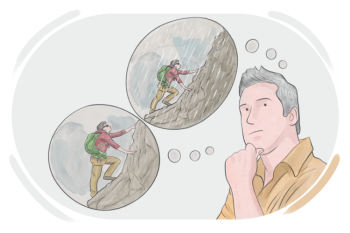
What is the Imperfect Progressive Tense?
Imperfect progressive tense (pretérito imperfecto progresivo) expresses an ongoing action in the past that was happening when something else occurred or during a specific time.
Structure
The imperfect progressive is formed using the conjugation of the verb "estar" in the imperfect tense together with the present participle form of the main verb which is invariable for all persons and numbers:
estar (imperfect) + present participle (fixed)
Conjugation of "Estar"
Conjugation of "estar" in the imperfect tense follows the regular pattern:
yo | estaba |
|---|---|
tú | estabas |
él / ella / usted | estaba |
nosotros/as | estábamos |
vosotros/as | estabais |
ellos / ellas / ustedes | estaban |
Forming the Present Participle
Formation of present participles differs based on the ending of the infinitive form of the verb:
For verbs that end in -ar → replace -ar with -ando: hablar → hablando
For verbs that end in -er and -ir → replace -er or -ir with -iendo: comer → comiendo, vivir → viviendo
However, some verbs have irregular present participle forms that do not follow these patterns and their formation involves changes in the verb stem. For example:
leer → leyendo
dormir → durmiendo
decir → diciendo
venir → viniendo
ir → yendo
Here are some example sentences:
Estaba hablando.
I was speaking.
Estabas comiendo.
You were eating.
Estaban durmiendo.
They were sleeping.
Negation
In order to negate a sentence in the imperfect progressive, the negative marker "no" is added before the conjugated "estar" or the object pronoun, if there is one. For example:
Estábamos viendo la televisión. → No estábamos viendo la televisión.
We were watching television. → We were not watching television.
Lo estaba estudiando hasta tarde. → No lo estaba estudiando hasta tarde.
He/She was studying it until late. → He/She was not studying it until late.
Uses
The imperfect progressive is used to talk about:
Action in progress at a past time:
Estaba estudiando cuando me llamaste.
I was studying when you called.
Los niños estaban jugando en el parque.
The children were playing in the park.
Emphasis on the continuity of a past action:
Estaba lloviendo toda la tarde.
It was raining all afternoon.
Estaba pensando en ti.
I was thinking about you.
Background context in narration:
Ella estaba trabajando en el proyecto cuando llegó su jefe.
She was working on the project when her boss arrived.
Imperfect vs. Imperfect progressive
Both the imperfect and the imperfect progressive can describe ongoing past actions interrupted by another event, but they differ in their level of emphasis. The imperfect progressive stresses the ongoing nature of the action at the moment of speaking while the imperfect simply shows an action as the background for another. Compare the examples:
Leía cuando sonó el teléfono.
I was reading when the phone rang.
Imperfect - The sentence only introduces a background action without emphasis on its ongoing nature.
Estaba leyendo cuando sonó el teléfono.
I was (in the middle of) reading when the phone rang.
Imperfect progressive - It focuses on the ongoing progression interrupted by another action.
Quiz:
Elige la oración que está en pretérito imperfecto progresivo.
Marta leía un libro cuando llegué.
Marta leyó un libro ayer.
Marta estaba leyendo un libro cuando llegué.
Marta leerá un libro mañana.
Completa las oraciones con la forma correcta del pretérito imperfecto progresivo.
Yo
un mensaje. (escribir)
Tú
la televisión. (ver)
Ellos
en el parque. (jugar)
Mi hermano
al trabajo. (ir)
Empareja cada oración con su uso del pretérito imperfecto progresivo.
Elige la oración negativa correcta.
Lo no estaba estudiando hasta tarde.
No lo estaba estudiando hasta tarde.
Estaba no lo estudiando hasta tarde.
Lo estaba no estudiando hasta tarde.
Corrige la oración.
Nosotros estábamos hablar con la directora cuando llegó Pedro. → Nosotros
con la directora cuando llegó Pedro.
Comments
(0)Recommended

