Informal future For Intermediate learners
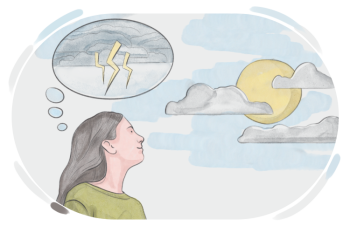
What is Informal Future?
The Spanish informal future or periphrastic future (futuro perifrástico) expresses what is going to happen or what someone is going to do, similar to the English "be going to + verb."
Structure
The informal future is formed using the conjugation of the verb "ir" in the present tense, followed by the preposition "a" and the infinitive form of the main verb which is invariable for all persons and numbers:
ir (present) + a + infinitive
Conjugation of "Ir"
The verb "Ir" is irregular in the present tense and has a special form that does not follow the regular pattern:
yo | voy |
|---|---|
tú | vas |
él / ella / usted | va |
nosotros/as | vamos |
vosotros/as | vais |
ellos / ellas / ustedes | van |
Here are some examples:
Voy a estudiar.
I'm going to study.
Vas a comer.
You're going to eat.
Vamos a viajar.
We're going to travel.
Negation
To negate the verbs used in formation of informal future, the negative marker "no" is added before the verb "ir" or the object pronoun, if it is used before the conjugated "ir". For example:
Voy a leerlo. → No voy a leerlo.
When the object pronoun is attached to the infinitive, the negative marker comes immediately before conjugated "ir".
Lo voy a ver esta noche. → No lo voy a ver esta noche.
I'm going to watch it tonight. → I'm not going to watch it tonight.
Uses
The informal future form is used to talk about:
Near or planned future:
Voy a llamar a mi madre.
I'm going to call my mother.
Vamos a salir esta noche.
We're going to go out tonight.
Intentions or decisions:
Voy a estudiar medicina.
I'm going to study medicine.
¿Qué vas a hacer mañana?
What are you going to do tomorrow?
Imminent events:
Va a llover.
It's going to rain.
El tren va a salir en cinco minutos.
The train is going to leave in five minutes.
Warnings or threats (colloquial):
Te vas a caer.
You're going to fall.
Me vas a oír.
You're going to hear from me.
Future Simple vs. Future Informal
Future informal, as the name suggests, is mainly used in speech and everyday language use, while future simple is more formal. Additionally, the "ir + a + infinitive" structure suggests imminence or certainty of an event while the future simple is mainly predictive.
Voy a ver a mis amigos esta tarde.
I'm going to see my friends this afternoon.
This sentence suggests a planned and fixed decision.
Veré a mis amigos esta tarde.
I will see my friends this afternoon.
This sentence suggests a possibility or prediction.
Quiz:
Elige la oración que está en futuro perifrástico.
Ana estudia esta noche.
Ana estudiará esta noche.
Ana va a estudiar esta noche.
Ana estudió esta noche.
Completa las oraciones con la forma correcta del futuro perifrástico.
Yo
el informe. (terminar)
Tú
a casa temprano. (volver)
Ellos
una película. (ver)
Mi hermana
al médico. (ir)
Elige la oración negativa correcta.
No lo voy a ver esta noche.
Lo no voy a ver esta noche.
Voy no a verlo esta noche.
Lo voy a no ver esta noche.
Empareja cada oración con el use del futuro perifrástico.
Elige la oración que expresa mejor un plan fijo o cercano en el habla cotidiana.
Visitaré a mi familia este fin de semana.
Visitaba a mi familia este fin de semana.
Voy a visitar a mi familia este fin de semana.
Visité a mi familia este fin de semana.
Comments
(0)Recommended

