Simple Future For Intermediate learners
What is the Future Simple Tense?
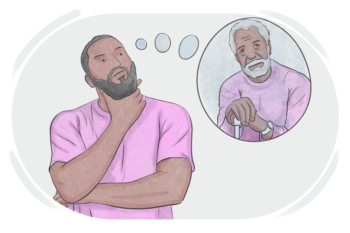
The future simple tense (futuro simple) is used to talk about an action that will happen later or that someone will do. It is used to refer to predictions, assumptions, or promises.
Conjugation
The future simple conjugation differs from other simple tenses because it is formed by adding specific endings to the infinitive form of the verb rather than the verb stem. Additionally, the conjugation is the same for the different infinitive forms (-ar, -er, -ir). Take a look at the table and keep in mind that the "vosotros" form is used only is Spain, while Latin American Spanish uses the "ustedes" form in all contexts.
-ar, -er, -ir | example | |
|---|---|---|
yo | -é | hablaré, comeré, viviré |
tú | -ás | hablarás, comerás, vivirás |
él / ella / usted | -á | hablará, comerá, vivirá |
nosotros/as | -emos | hablaremos, comeremos, viviremos |
vosotros/as | -éis | hablaréis, comeréis, viviréis |
ellos / ellas / ustedes | -án | hablarán, comerán, vivirán |
Here are some example sentences:
Mañana viajaré a Madrid.
I will travel to Madrid tomorrow.
Comeremos juntos más tarde.
We will eat together later.
Ellos vivirán en otro país.
They will live in another country.
Irregular Verbs
Some verbs undergo stem change when forming the future simple; this means the endings are the same, but the infinitive form changes. For example:
decir → dir-
hacer → har-
poder → podr-
querer → querr-
saber → sabr-
haber → habr-
salir → saldr-
tener → tendr-
Here are some example sentences:
Haré mi tarea más tarde.
I will do my homework later.
Sabrás la verdad pronto.
You will know the truth soon.
Uses
The future simple tense is used to talk about:
Future actions or plans:
Iré al médico el lunes.
I will go to the doctor on Monday.
Terminarán el proyecto la próxima semana.
They will finish the project next week.
Predictions or assumptions:
Lloverá mañana.
It will rain tomorrow.
Estará cansado.
He/She'll be tired.
Promises or commitments:
Te llamaré esta noche.
I'll call you tonight.
No te olvidaré nunca.
I'll never forget you.
Probability in the present:
- ¿Dónde está Juan? + Estará en casa.
- Where's Juan? + He must be at home.
Formal commands:
No matarás.
You shall not kill.
Quiz:
Elige la oración que está en futuro simple.
Mañana viajo a Madrid.
Mañana viajé a Madrid.
Mañana viajaré a Madrid.
Mañana viajaba a Madrid.
Empareja cada sujeto con la forma correcta del futuro simple.
Completa cada oración con la forma correcta del futuro simple.
Nosotros
juntos más tarde. (comer)
Tú
la verdad pronto. (saber)
Ellos
salir temprano. (poder)
Nosotros
mucho trabajo mañana. (tener)
Elige la oración negativa correcta.
Te no llamaré esta noche.
No llamaré te esta noche.
No te llamaré esta noche.
Llamaré no te esta noche.
Empareja cada oración con el use del futuro simple.
Comments
(0)Recommended

