
Basic Sciences - Chemie
Study terms related to chemical composition, compounds, solutions, acids, bases, material properties, and laboratory processes.
Revize
Kartičky
Pravopis
Kvíz
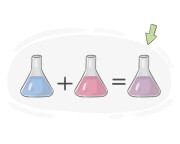
a substance or compound produced or used in a process involving chemistry

chemický
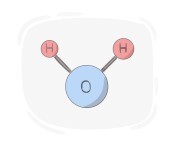
the different elements that form something or the arrangement of these elements
složení, kompozice
(chemistry) a substance that its molecules consist of two or more elements that are held together by a chemical bond
sloučenina, směs

from or related to living things
organický, biologický
describing chemical compounds that do not contain carbon-hydrogen bonds and are typically derived from minerals or non-living matter
anorganický
a liquid that is capable of dissolving another substance
rozpouštědlo, solvent
a substance that is dissolved in a solvent, resulting in a solution
rozpuštěná látka, solut
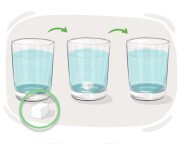
(of a substance) able to break up and disperse within a fluid
rozpustný
unable to be dissolved, especially in a liquid
nerozpustný, nerozpustitelný
a mixture of different liquids
roztok, směs
each of two or more forms of the same element that contain equal numbers of protons but different numbers of neutrons in their nuclei, leading to variation in atomic mass
izotop, izotopická forma
a combination of two or more metals, creating a metal that is usually stronger or more resistant
slitina
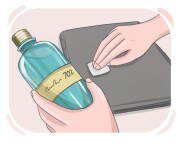
a compound with a hydroxyl group (-OH) attached to a carbon atom, widely used as solvents, fuels, and in pharmaceutical and chemical synthesis
alkohol, ethanol
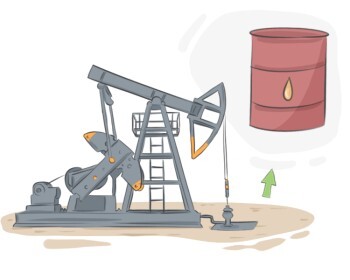
(chemistry) a dark liquid from underground, made of hydrocarbons, used to make fuel and plastic
(chemistry) a compound made when the hydrogen in an acid is replaced by a metal or a metal-like group
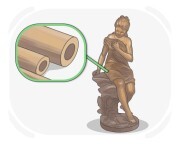
a reddish-brown alloy made primarily of copper combined with tin, and often small amounts of zinc, nickel, or other metals, to enhance strength and corrosion resistance
bronz, bronzová slitina
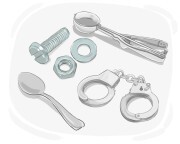
a type of hard metal that is made of a mixture of iron and carbon, used in construction of buildings, vehicles, etc.
ocel, tvrdý kov
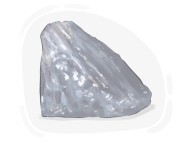
a soft, black, and highly conductive material made up of carbon atoms that is commonly used in pencils and as a lubricant
grafit, černé olovo
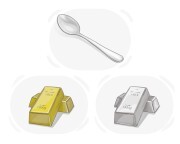
a usually solid and hard substance that heat and electricity can move through, such as gold, iron, etc.
kov

made of or resembling metal
kovový, metalizovaný
(chemistry) a salt or ester of sulfurous acid used as a preservative in foods and wines
a quantitive mesasure used for determining how acidic or alkanic something is on a scale of 0 to 14
pH
any water-soluble compound that can turn litmus blue and reacts with an acid to form a salt and water
alkálie, zásada
(chemistry) a substance that can accept protons, donate electrons, or release hydroxide ions in aqueous solution
báze
a water-soluble chemical substance that contains Hydrogen and has a sour taste or corrosive feature with a PH less than 7
kyselina, kyselá látka
the level of acid in a substance, often measured by a pH below 7
kyselost, úroveň kyselosti
(chemistry) able to act as either an acid or a base depending on the conditions
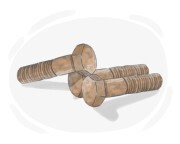
the gradual destruction of materials by chemical reaction, usually of metals
koroze
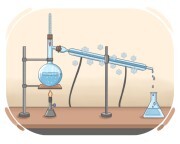
to heat a liquid and turn it into gas then cool it and make it liquid again in order to purify it
destilovat, čistit destilací
a fundamental unit in chemistry that represents the amount of substance containing as many entities (atoms, molecules) as there are in 12 grams of carbon-12
mol, látkové množství
(chemistry) to become separated from the solvent in a solid form
srážet se
having a tendency to change rapidly and unpredictably, often characterized by fluctuations or instability
nestálý, nestabilní
a solution containing a weak acid and its conjugate base, or a weak base and its conjugate acid, which maintains a stable pH when small amounts of acid or base are added
pufr, pufrovací roztok
a solution of ammonia gas dissolved in water, commonly called aqueous ammonia
vodný amoniak, roztok amoniaku
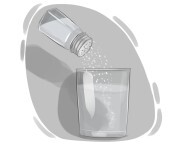
(of a solid) to become one with a liquid
rozpustit, rozpouštět se
