
Alaptudományok - Kémia
Tanulmányozza a kémiai összetétellel, vegyületekkel, oldatokkal, savakkal, bázisokkal, anyagtulajdonságokkal és laboratóriumi folyamatokkal kapcsolatos kifejezéseket.
Áttekintés
Villámkártyák
Betűzés
Kvíz
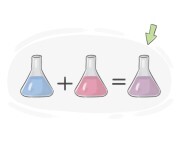
(chemistry) a substance used in or produced by a reaction that changes atoms or molecules

vegyszer
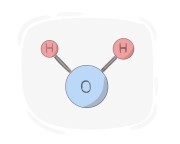
the parts or elements that something consists of and the way they are combined
összetétel, kompozíció
a pure substance formed from two or more chemical elements chemically bonded in fixed proportions
vegyület

derived from, produced by, or relating to living organisms
szerves, biológiai
describing chemical compounds that do not contain carbon-hydrogen bonds and are typically derived from minerals or non-living matter
szervetlen
Az olyan fémek, mint a vas és a réz, példák az ipari alkalmazások szempontjából döntő fontosságú szervetlen elemekre.
a liquid that is capable of dissolving another substance
oldószer, solvens
A víz az egyetemes oldószer, amely több anyagot, például sót és cukrot képes feloldani, mint bármely más folyadék.
a substance that is dissolved in a solvent, resulting in a solution
oldott anyag, solut
Amikor a cukor (szacharóz) hozzáadódik a kávéhoz, a cukor az oldott anyagként (oldott anyag) szolgál, amely feloldódik a kávéban, az oldószerben.
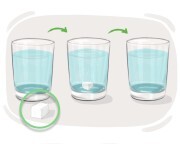
(of a substance) able to break up and disperse within a fluid
oldható
A só ionokra disszociál, amikor feloldódik, teljesen oldhatóvá téve a vizes oldatokban.
unable to be dissolved, especially in a liquid
oldhatatlan, nem oldódó
A keverés ellenére a por oldhatatlan maradt.
a mixture of different liquids
oldat, keverék
each of two or more forms of the same element that contain equal numbers of protons but different numbers of neutrons in their nuclei, leading to variation in atomic mass
izotóp, izotóp forma
A deutérium és a trícium a hidrogén izotópjai, amelyeket a neutronok különböző száma különböztet meg.
a combination of two or more metals, creating a metal that is usually stronger or more resistant
ötvözet
A sárgaréz, amely réz és cink ötvözete, általában vízvezeték szerelvényekben és hangszeres hangszerekben használatos.
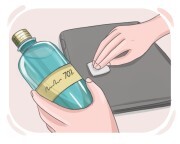
a compound with a hydroxyl group (-OH) attached to a carbon atom, widely used as solvents, fuels, and in pharmaceutical and chemical synthesis
alkohol, etanol
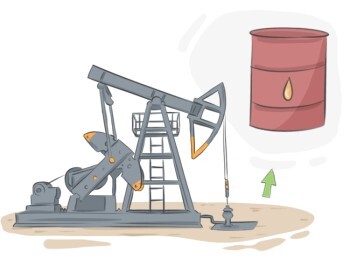
(chemistry) a dark liquid from underground, made of hydrocarbons, used to make fuel and plastic
kőolaj
(chemistry) a compound made when the hydrogen in an acid is replaced by a metal or a metal-like group
só
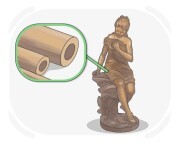
a hard alloy consisting mainly of copper and tin
bronz
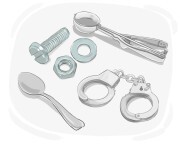
a type of hard metal that is made of a mixture of iron and carbon, used in construction of buildings, vehicles, etc.
acél, kemény fém
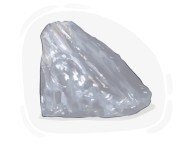
(chemistry) a soft, gray-black form of carbon used as a lubricant and as a moderator in nuclear reactors
grafit, grafit
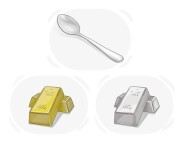
a usually solid and hard substance that heat and electricity can move through, such as gold, iron, etc.
fém

made of or resembling metal
fém, fémies
A futurisztikus robot fém alkatrészekből készült, ami tartóssá és rugalmassá teszi.
(chemistry) a salt or ester of sulfurous acid used as a preservative in foods and wines
szulfit
a numerical measure of how acidic or basic a solution is, based on hydrogen-ion activity
pH, hidrogénion-kitevő
any water-soluble compound that can turn litmus blue and reacts with an acid to form a salt and water
alkáli, bázis
Az olyan alkálik mint a kálium-karbonátot a savak semlegesítésére használják a kémiai laboratóriumokban.
(chemistry) a substance that can accept protons, donate electrons, or release hydroxide ions in aqueous solution
bázis
a water-soluble chemical substance that contains Hydrogen and has a sour taste or corrosive feature with a PH less than 7
sav, savas anyag
the level of acid in a substance, often measured by a pH below 7
savasság, savszint
A víz savassága megnőtt az eső után.
(chemistry) able to act as either an acid or a base depending on the conditions
amfoter, amfoterikus
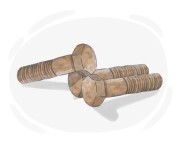
the gradual destruction of materials by chemical reaction, usually of metals
korrózió
A rendszeres karbantartás szükséges a korrózió megelőzésére és a fémszerkezetek élettartamának meghosszabbítására.
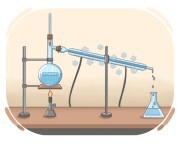
to heat a liquid and turn it into gas then cool it and make it liquid again in order to purify it
desztillál, tisztít desztillálással
Az illóolajokat különféle aromás növényekből desztillálták.
a fundamental unit in chemistry that represents the amount of substance containing as many entities (atoms, molecules) as there are in 12 grams of carbon-12
mól, anyagmennyiség
(chemistry) to become separated from the solvent in a solid form
kicsapódik
A kísérlet két oldat összekeverését foglalta magában, hogy megfigyeljék, vajon egy szilárd anyag kiválik-e a reakcióból.
having a tendency to change rapidly and unpredictably, often characterized by fluctuations or instability
ingatag, instabil
A vegyület illékony és óvatosan kell kezelni.
a solution containing a weak acid and its conjugate base, or a weak base and its conjugate acid, which maintains a stable pH when small amounts of acid or base are added
puffer, pufferoldat
A pufferek létfontosságúak a biológiai rendszerekben az enzimaktivitáshoz szükséges pH fenntartásához.
a solution of ammonia gas dissolved in water, commonly called aqueous ammonia
ammónialé,ammóniaoldat
Vizes ammónia kevésbé szúrós, mint a gáz halmazállapotú ammónia.
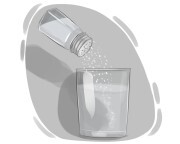
to become incorporated into a liquid and form a solution
feloldódik, oldódik
