pattern

Basic Sciences - Chimica

Study terms related to chemical composition, compounds, solutions, acids, bases, material properties, and laboratory processes.

Revisione

Flashcard

Ortografia

Quiz
Inizia a imparare
Words Related to Basic Sciences
chemical
chemical
[sostantivo]

a substance or compound produced or used in a process involving chemistry

chimico
chimico

Chiudi
Accedi
composition
composition
[sostantivo]

the different elements that form something or the arrangement of these elements

composizione

composizione

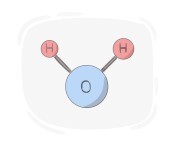
Ex: The composition of water molecules consists of two hydrogen atoms and one oxygen atom, chemically bonded together. 
Chiudi
Accedi
compound
compound
[sostantivo]

(chemistry) a substance that its molecules consist of two or more elements that are held together by a chemical bond

composto

composto

Ex: Water is a compound made of hydrogen and oxygen atoms. 
Chiudi
Accedi
organic
organic
[aggettivo]

from or related to living things

organico

organico

Ex: Organic chemistry focuses on the study of carbon-containing compounds found in living organisms. 
Chiudi
Accedi
inorganic
inorganic
[aggettivo]

describing chemical compounds that do not contain carbon-hydrogen bonds and are typically derived from minerals or non-living matter

inorganico

inorganico

Ex: Sodium chloride (table salt) is an inorganic compound widely used in cooking and food preservation. 
Chiudi
Accedi
solvent
solvent
[sostantivo]

a liquid that is capable of dissolving another substance

solvente

solvente

Ex: Ethanol is commonly used as a solvent to dissolve oils and perfume essences for the production of aftershaves and colognes. 
Chiudi
Accedi
solute
solute
[sostantivo]

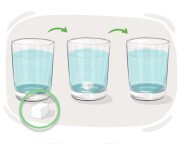
a substance that is dissolved in a solvent, resulting in a solution

soluto, sostanza disciolta
soluto, sostanza disciolta

Ex: In saltwater, salt (NaCl) is the solute that dissolves in water, the solvent. 
Chiudi
Accedi
soluble
soluble
[aggettivo]

(of a substance) able to break up and disperse within a fluid

solubile

solubile

Ex: Sugar is highly soluble in water, dissolving readily when added to the liquid. 
Chiudi
Accedi
insoluble
insoluble
[aggettivo]

unable to be dissolved, especially in a liquid

insolubile, indissolubile

insolubile, indissolubile

Ex: The sugar remained insoluble in the cold water. 
Chiudi
Accedi
solution
solution
[sostantivo]

a mixture of different liquids

soluzione

soluzione

Ex: Many cleaning products are solutions that mix different liquids for better effectiveness. 
Chiudi
Accedi
isotope
isotope
[sostantivo]

each of two or more forms of the same element that contain equal numbers of protons but different numbers of neutrons in their nuclei, leading to variation in atomic mass

isotopo, forma isotopica

isotopo, forma isotopica

Ex: Carbon-12 and carbon-14 are isotopes of carbon, with the former having 6 neutrons and the latter having 8 neutrons. 
Chiudi
Accedi
alloy
alloy
[sostantivo]

a combination of two or more metals, creating a metal that is usually stronger or more resistant

lega
lega

Ex: An alloy is a mixture of two or more metals or a metal and another element. 
Chiudi
Accedi
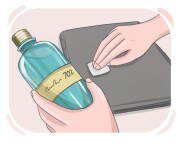
alcohol
alcohol
[sostantivo]

a compound with a hydroxyl group (-OH) attached to a carbon atom, widely used as solvents, fuels, and in pharmaceutical and chemical synthesis

alcol, etanolo
alcol, etanolo

Ex: Ethanol is the alcohol found in alcoholic beverages and is commonly used as a solvent. 
Chiudi
Accedi
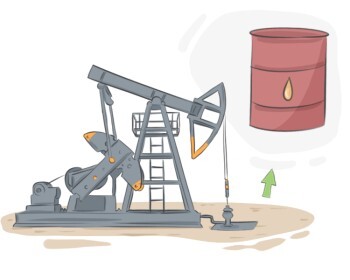
petroleum
petroleum
[sostantivo]

(chemistry) a dark liquid from underground, made of hydrocarbons, used to make fuel and plastic

Chiudi
Accedi
salt
salt
[sostantivo]

(chemistry) a compound made when the hydrogen in an acid is replaced by a metal or a metal-like group
Chiudi
Accedi
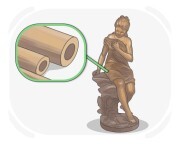
bronze
bronze
[sostantivo]

a reddish-brown alloy made primarily of copper combined with tin, and often small amounts of zinc, nickel, or other metals, to enhance strength and corrosion resistance

bronzo, lega di bronzo
bronzo, lega di bronzo

Ex: Engineers selected phosphor bronze for the marine bearings because of its resistance to saltwater erosion. 
Chiudi
Accedi
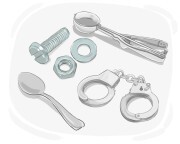
steel
steel
[sostantivo]

a type of hard metal that is made of a mixture of iron and carbon, used in construction of buildings, vehicles, etc.

acciaio, metallo duro
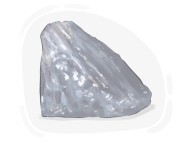
acciaio, metallo duro

Ex: The skyscraper's framework was constructed with high-quality steel. 
Chiudi
Accedi
graphite
graphite
[sostantivo]

a soft, black, and highly conductive material made up of carbon atoms that is commonly used in pencils and as a lubricant

grafite
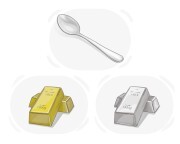
grafite

Chiudi
Accedi
metal
metal
[sostantivo]

a usually solid and hard substance that heat and electricity can move through, such as gold, iron, etc.

metallo

metallo

Ex: Iron is a commonly used metal in construction and manufacturing. 
Chiudi
Accedi
metallic
metallic
[aggettivo]

made of or resembling metal

metallico, metallizzato

metallico, metallizzato

Ex: The car's metallic exterior gleamed in the sunlight. 
Chiudi
Accedi
sulfite
sulfite
[sostantivo]

(chemistry) a salt or ester of sulfurous acid used as a preservative in foods and wines

Ex: Sulfite is commonly added to dried fruit to prevent discoloration. 
Chiudi
Accedi
pH
pH
[sostantivo]

a quantitive mesasure used for determining how acidic or alkanic something is on a scale of 0 to 14

pH

pH

Ex: Lemon juice has a pH of 2, making it highly acidic. 
Chiudi
Accedi
alkali
alkali
[sostantivo]

any water-soluble compound that can turn litmus blue and reacts with an acid to form a salt and water

alkali

alkali

Ex: Sodium hydroxide is a strong alkali commonly used in soap making. 
Chiudi
Accedi
base
base
[sostantivo]

(chemistry) a substance that can accept protons, donate electrons, or release hydroxide ions in aqueous solution

base

base

Ex: Sodium hydroxide (NaOH) is a strong base used in soap-making. 
Chiudi
Accedi
acid
acid
[sostantivo]

a water-soluble chemical substance that contains Hydrogen and has a sour taste or corrosive feature with a PH less than 7

acido

acido

Ex: The lemon juice contains citric acid, which gives it a sour taste and a pH of around 2. 
Chiudi
Accedi
acidity
acidity
[sostantivo]

the level of acid in a substance, often measured by a pH below 7

acidità, livello di acidità

acidità, livello di acidità

Ex: The soil's acidity was too high for the plants to grow well. 
Chiudi
Accedi
amphoteric
amphoteric
[aggettivo]

(chemistry) able to act as either an acid or a base depending on the conditions
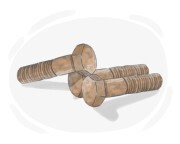
Ex: Water is amphoteric because it can donate or accept protons in reactions. 
Chiudi
Accedi
corrosion
corrosion
[sostantivo]

the gradual destruction of materials by chemical reaction, usually of metals

corrosione
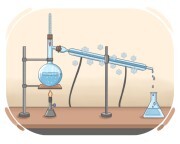
corrosione

Ex: The pipes in the old house were heavily damaged by corrosion, resulting in leaks throughout the plumbing system. 
Chiudi
Accedi
to distill
to distill
[Verbo]

to heat a liquid and turn it into gas then cool it and make it liquid again in order to purify it

distillare

distillare

Ex: The chemist is currently distilling the solution to isolate the pure compound. 
Chiudi
Accedi
mole
mole
[sostantivo]

a fundamental unit in chemistry that represents the amount of substance containing as many entities (atoms, molecules) as there are in 12 grams of carbon-12

mole, quantità di sostanza

mole, quantità di sostanza

Ex: One mole of water contains 6.022 x 10²³ water molecules. 
Chiudi
Accedi
to precipitate

(chemistry) to become separated from the solvent in a solid form

precipitato

precipitato

Ex: Upon cooling the saturated sugar solution, crystals began to precipitate at the bottom of the container. 
Chiudi
Accedi
volatile
volatile
[aggettivo]

having a tendency to change rapidly and unpredictably, often characterized by fluctuations or instability

volatile, instabile

volatile, instabile

Ex: The weather in the region can be highly volatile throughout the year. 
Chiudi
Accedi
buffer
buffer
[sostantivo]

a solution containing a weak acid and its conjugate base, or a weak base and its conjugate acid, which maintains a stable pH when small amounts of acid or base are added

tampone, soluzione tampone

tampone, soluzione tampone

Ex: The buffer solution in the lab kept the pH steady even after the addition of a strong acid. 
Chiudi
Accedi
ammonia
ammonia
[sostantivo]

a solution of ammonia gas dissolved in water, commonly called aqueous ammonia

ammoniaca acquosa, soluzione di ammoniaca
ammoniaca acquosa, soluzione di ammoniaca

Ex: The farmer applied ammonia to the soil to provide nitrogen. 
Chiudi
Accedi
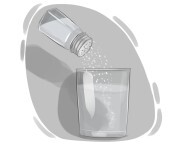
to dissolve

(of a solid) to become one with a liquid

dissolvere

dissolvere

Ex: Sugar dissolves quickly in hot tea. 
Chiudi
Accedi
LanGeek
Scarica l'app LanGeek