
Khoa học Cơ bản - Hóa học
Nghiên cứu các thuật ngữ liên quan đến thành phần hóa học, hợp chất, dung dịch, axit, bazơ, tính chất vật liệu và quy trình phòng thí nghiệm.
Xem lại
Thẻ ghi nhớ
Chính tả
Đố vui
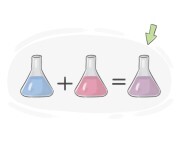
(chemistry) a substance used in or produced by a reaction that changes atoms or molecules

hóa chất
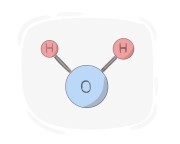
the parts or elements that something consists of and the way they are combined
thành phần, cấu tạo
a pure substance formed from two or more chemical elements chemically bonded in fixed proportions
hợp chất

derived from, produced by, or relating to living organisms
hữu cơ, sinh học
describing chemical compounds that do not contain carbon-hydrogen bonds and are typically derived from minerals or non-living matter
vô cơ
Các axit vô cơ như axit sulfuric rất cần thiết trong các quy trình sản xuất hóa chất.
a liquid that is capable of dissolving another substance
dung môi, chất hòa tan
Chloroform hoạt động như một dung môi hiệu quả cho lipid, chất béo và sáp do tính không phân cực của nó.
a substance that is dissolved in a solvent, resulting in a solution
chất tan, chất hòa tan
Sự hòa tan của carbon dioxide (CO2) trong soda là một ví dụ về chất tan khí trong dung môi lỏng.
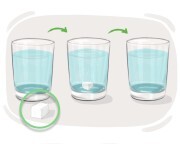
(of a substance) able to break up and disperse within a fluid
có thể hòa tan
Glycerol có thể trộn lẫn và hòa tan trong nhiều dung môi phân cực nhưng sẽ không tan trong các chất lỏng không phân cực như dầu.
unable to be dissolved, especially in a liquid
không hòa tan, không thể hòa tan
Cặn không hòa tan lắng xuống đáy bình.
a mixture of different liquids
dung dịch, hỗn hợp
each of two or more forms of the same element that contain equal numbers of protons but different numbers of neutrons in their nuclei, leading to variation in atomic mass
đồng vị, dạng đồng vị
Uranium-235 và uranium-238 là các đồng vị của uranium, đóng vai trò quan trọng trong các phản ứng phân hạch hạt nhân.
a combination of two or more metals, creating a metal that is usually stronger or more resistant
hợp kim
Thép không gỉ, một hợp kim của sắt, crom và các nguyên tố khác, có khả năng chống ăn mòn cao và được sử dụng trong nhiều ứng dụng khác nhau.
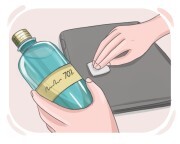
a compound with a hydroxyl group (-OH) attached to a carbon atom, widely used as solvents, fuels, and in pharmaceutical and chemical synthesis
rượu, etanol
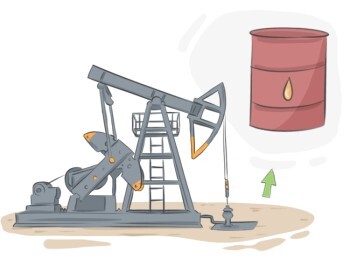
(chemistry) a dark liquid from underground, made of hydrocarbons, used to make fuel and plastic
dầu mỏ
(chemistry) a compound made when the hydrogen in an acid is replaced by a metal or a metal-like group
muối
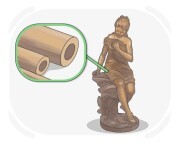
a hard alloy consisting mainly of copper and tin
đồng thanh
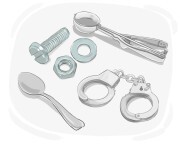
a type of hard metal that is made of a mixture of iron and carbon, used in construction of buildings, vehicles, etc.
thép, kim loại cứng
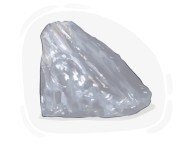
(chemistry) a soft, gray-black form of carbon used as a lubricant and as a moderator in nuclear reactors
than chì, graphit
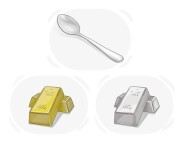
a usually solid and hard substance that heat and electricity can move through, such as gold, iron, etc.
kim loại

made of or resembling metal
kim loại, có vẻ kim loại
Tòa nhà công nghiệp có khung kim loại, mang lại cho nó vẻ ngoài hiện đại.
(chemistry) a salt or ester of sulfurous acid used as a preservative in foods and wines
sunfit
a numerical measure of how acidic or basic a solution is, based on hydrogen-ion activity
pH, độ pH
any water-soluble compound that can turn litmus blue and reacts with an acid to form a salt and water
kiềm, bazơ
Nhà hóa học đã cẩn thận đo kiềm để tránh phản ứng dữ dội.
(chemistry) a substance that can accept protons, donate electrons, or release hydroxide ions in aqueous solution
bazơ
a water-soluble chemical substance that contains Hydrogen and has a sour taste or corrosive feature with a PH less than 7
axit, chất axit
the level of acid in a substance, often measured by a pH below 7
độ axit, mức độ axit
Mức pH dưới 7 cho thấy độ axit cao trong dung dịch.
(chemistry) able to act as either an acid or a base depending on the conditions
lưỡng tính, chất lưỡng tính
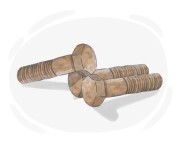
the gradual destruction of materials by chemical reaction, usually of metals
ăn mòn
Ăn mòn xảy ra khi kim loại phản ứng với oxy trong không khí.
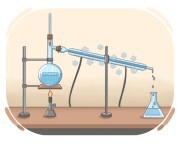
to heat a liquid and turn it into gas then cool it and make it liquid again in order to purify it
chưng cất, tinh chế bằng cách chưng cất
Trong buổi hội thảo, họ đã chưng cất dầu thơm từ hoa tươi.
a fundamental unit in chemistry that represents the amount of substance containing as many entities (atoms, molecules) as there are in 12 grams of carbon-12
mol, lượng chất
(chemistry) to become separated from the solvent in a solid form
kết tủa
Quá trình làm lạnh trong miệng núi lửa đã cho phép các khoáng chất kết tủa, tạo ra những nhũ đá và măng đá tuyệt đẹp.
having a tendency to change rapidly and unpredictably, often characterized by fluctuations or instability
dễ bay hơi, không ổn định
Các nhà khoa học đã nghiên cứu hành vi của chất lỏng dễ bay hơi trong các môi trường khác nhau.
a solution containing a weak acid and its conjugate base, or a weak base and its conjugate acid, which maintains a stable pH when small amounts of acid or base are added
đệm, dung dịch đệm
Các dược sĩ chuẩn bị dung dịch đệm để đảm bảo sự ổn định của thuốc trong quá trình bảo quản.
a solution of ammonia gas dissolved in water, commonly called aqueous ammonia
amoniac lỏng,dung dịch amoniac
Nhà hóa học đã chuẩn bị một dung dịch amoniac loãng cho phản ứng.
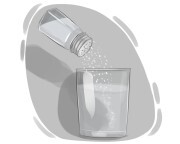
to become incorporated into a liquid and form a solution
tan, hòa tan
