
Kniha Solutions - Předstředně pokročilý - Jednotka 1 - 1A
Zde najdete slovní zásobu z jednotky 1 - 1A v učebnici Solutions Pre-Intermediate, jako je "zavazadlo", "výsledek", "zahanbený" atd.
Revize
Kartičky
Pravopis
Kvíz

to look at a thing or person and pay attention to it for some time

dívat se, pozorovat

a competition in which two players or teams compete against one another such as soccer, boxing, etc.
zápas
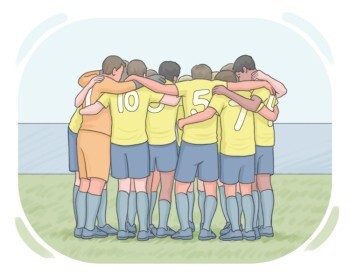
a group of people who compete against another group in a sport or game
tým, družstvo

to not win in a race, fight, game, etc.
prohrát, selhat

a formal test of a person's knowledge or ability in a particular subject
zkouška
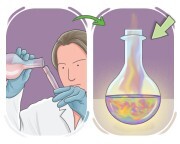
something that is caused by something else
výsledek, účinek
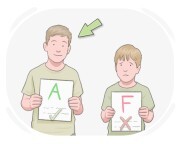
to get the necessary grades in an exam, test, course, etc.
projít, uspět
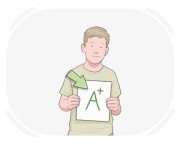
a letter or number given by a teacher to show how good a student's performance is; a point given for a correct answer in an exam or competition
známka, bod
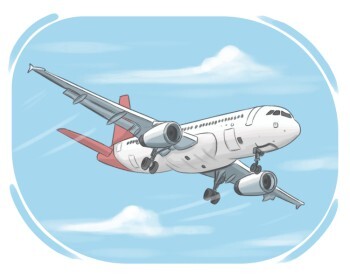
a winged flying vehicle driven by one or more engines
letadlo
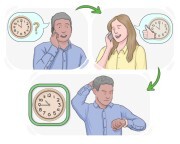
doing or happening after the time that is usual or expected
pozdní, zpožděný
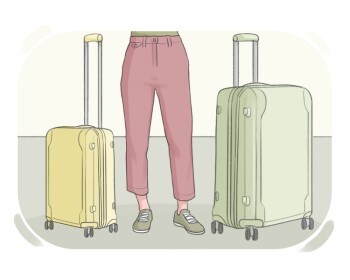
suitcases, bags, etc. to keep one's clothes and other belongings while traveling
zavazadla, kufry
Pás na zavazadla byl přeplněný cestujícími čekajícími na své kufry.
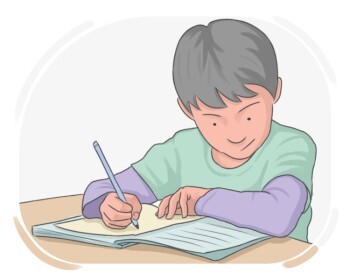
the academic tasks, assignments, or activities assigned to students by teachers or educational institutions
domácí úkoly, školní práce
Použil plánovač k organizaci své školní práce.
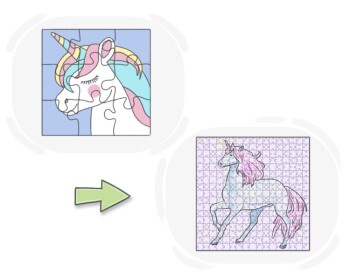
needing a lot of work or skill to do, understand, or deal with
obtížný, náročný

making us feel tired and unsatisfied because of not being interesting
nudný, únavný

to give details about someone or something to say what they are like
popisovat, vylíčit
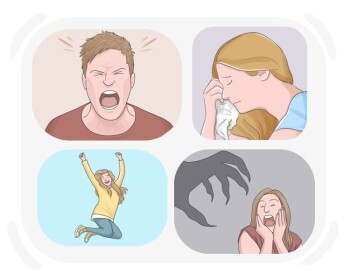
an emotional state or sensation that one experiences such as happiness, guilt, sadness, etc.
pocit
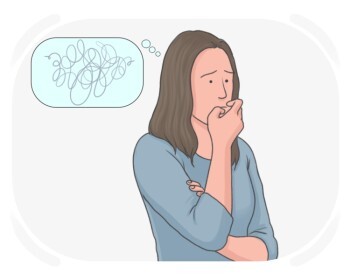
(of a person) feeling worried because of thinking something unpleasant might happen
úzkostný, znepokojený
Byl úzkostlivý z cestování samotného poprvé, obával se orientace v neznámých místech.
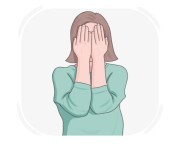
feeling embarrassed or sorry about one's actions, characteristics, or circumstances
zahanbený, rozpačitý
Cítila se hluboce zahanbeně, když si uvědomila, že zranila city své přítelkyně.
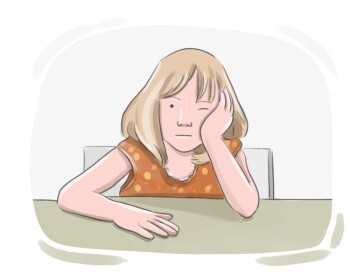
tired and unhappy because there is nothing to do or because we are no longer interested in something
znuděný, unavený
Je znuděný, protože doma nemá co dělat.
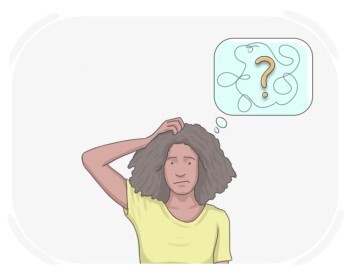
feeling uncertain or not confident about something because it is not clear or easy to understand
zmatený, nejistý
Pokyny byly tak nejasné, že všichni zůstali zmatení.
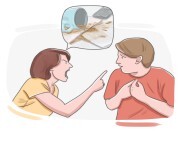
feeling annoyed or angry
naštvaný, podrážděný

filled with great pleasure or joy
nadšený, šťastný
Nadšený smích dětí se rozléhal po hřišti.
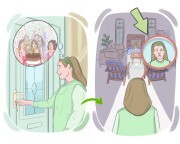
not satisfied or happy with something, because it did not meet one's expectations or hopes
zklamaný
Trenér vypadal zklamaně z výkonu týmu.
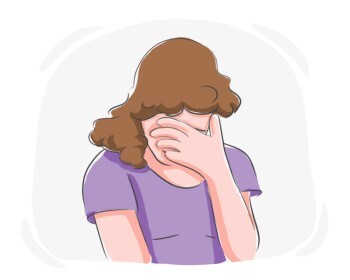
feeling ashamed and uncomfortable because of something that happened or was said
rozpačitý, zahanbený
Byl očividně rozpačitý z chyby, kterou udělal.
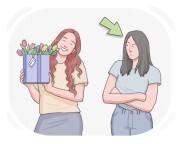
feeling unhappy or resentful because someone has something one wants
závistivý, žárlivý
Cítil závist, když sledoval svého souseda odjíždět v zcela novém sportovním voze.

feeling very happy, interested, and energetic
nadšený,vzrušený, very happy and full of energy
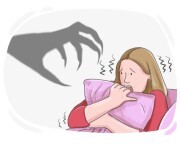
feeling afraid, often suddenly, due to danger, threat, or shock
vystrašený, vyděšený
Cítila se vyděšená, když slyšela podivné zvuky za svým oknem.

feeling satisfied with someone or one's possessions, achievements, etc.
hrdý, pyšný

feeling free from worry, stress, or anxiety after a challenging or difficult situation
ulevující, klidný
Byl ulevčeno, že jeho auto bylo opraveno poté, co se porouchalo na dálnici.

very surprised or upset because of something unexpected or unpleasant
šokovaný, ohromený
Šokovaný výraz v její tváři odhalil její nedůvěru k oznámení.
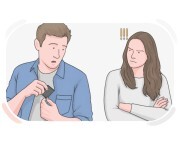
doubtful about the honesty of what someone has done and having no trust in them
podezřelý, nedůvěřivý
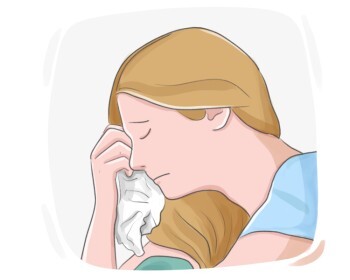
feeling disturbed or distressed due to a negative event
rozrušený, rozčilený

achieving success or progress
pozitivní, konstruktivní
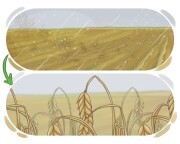
having an unpleasant or harmful effect on someone or something
negativní, škodlivý
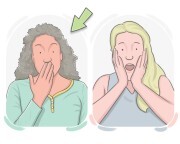
to a small extent or degree
trochu, lehce
Jeho vysvětlení poněkud objasnilo koncept, ale stále mám nějaké otázky.
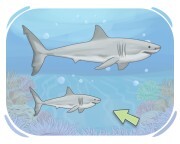
below average in size
malý, drobounký
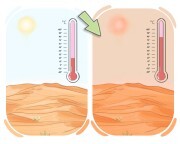
to a very great amount or degree
nesmírně, velmi
Výhled z hory je mimořádně krásný.
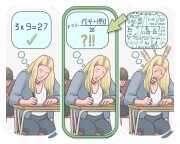
to a somewhat notable, considerable, or surprising degree
dost, spíše
Dnes je počasí dost chladno, možná budete chtít nosit kabát.
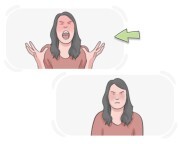
to a great extent or degree
velmi, nesmírně
Byli jsme velmi blízko u moře v našem rekreačním domě.
