
Kniha Total English - Vyšší středně pokročilý - Jednotka 4 - Slovní zásoba
Zde najdete slova z jednotky 4 - Slovní zásoba v učebnici Total English Upper-Intermediate, jako jsou "skromný", "trvat na", "hrdý" atd.
Revize
Kartičky
tvary
Pravopis
Kvíz


having a feeling of curiosity or attention toward a particular thing or person because one likes them

zaujatý, zvědavý
Děti byly velmi zajímavé o kouzelnické triky.

not boasting about one's abilities, achievements, or belongings
skromný
Když se ho zeptali na jeho úspěch, dal skromnou odpověď.
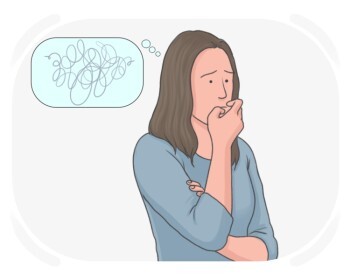
getting a bad and anxious feeling from a person or thing because we think something bad or dangerous will happen
vystrašený, bojácný
Vždy se bál tmy.
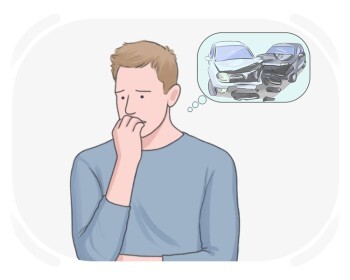
feeling unhappy and afraid because of something that has happened or might happen
ustaraný, znepokojený
Byl znepokojen svou pracovní jistotou, cítil se nepříjemně kvůli nedávným propouštěním ve společnosti.

having the ability to learn or understand quickly
bystrý, chápavý
Bystrý student rychle pochopil složitý matematický problém.

(of two or more things) having qualities in common that are not exactly the same
podobný, analogický
Dvě sestry měly podobné účesy, obě nosily vlasy v copánkách.

not like another thing or person in form, quality, nature, etc.
jiný
Kniha měla jiný konec, než očekávala.

feeling satisfied with someone or one's possessions, achievements, etc.
hrdý, pyšný
Cítil se pyšný sám na sebe za dokončení svého prvního maratonu.

showing or having enthusiasm or strong emotions about something one care deeply about
vášnivý, nadšený
Její vášnivá láska k literatuře ji přivedla k tomu, aby se stala učitelkou angličtiny.
to formally request something, such as a place at a university, a job, etc.
podat přihlášku, žádat
Studenti často podávají přihlášky na více univerzit, aby zvýšili své šance na přijetí.

to officially announce one's departure from a job, position, etc.
rezignovat, odstoupit
Na protest proti rozhodnutí rezignovali ve výboru.

to urgently demand someone to do something or something to take place
trvat na, požadovat
Navzdory svým zraněním trval na dokončení závodu.

to firmly trust in the goodness or value of something
věřit v, důvěřovat
Všichni bychom měli věřit v sílu laskavosti, abychom udělali svět lepším místem.

to express your annoyance, unhappiness, or dissatisfaction about something
stěžovat si, reptat
Místo stěžování si na počasí se Sarah rozhodla využít deštivý den na maximum a zůstala uvnitř číst knihu.
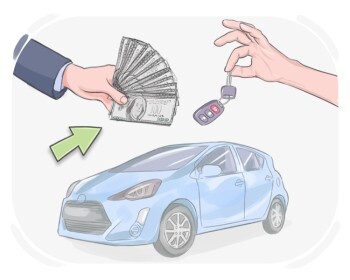
to give money or something else of value in exchange for goods or services
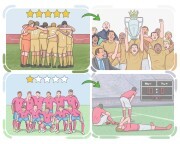
to be determined or affected by something else
záviset na, být určen
Úspěch startupové společnosti může záviset na zajištění financování, poptávce na trhu a efektivních marketingových strategiích.

to reach or achieve what one desired or tried for
uspět, dosáhnout úspěchu
On uspěl ve vítězství v mistrovství po letech přísného tréninku a soutěžení.
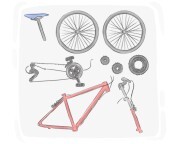
to be formed from particular parts or things
skládat se z, být tvořen z
Úspěch receptu do značné míry spočívá v jedinečné kombinaci použitých koření.

to get ready for an event, activity, or situation, either mentally or physically
připravit, připravovat se
Je zaměstnaná přípravou své prezentace, vytváří snímky a zkouší svůj projev.
