
Kniha Total English - Vyšší středně pokročilý - Jednotka 2 - Odkaz
Zde najdete slovní zásobu z jednotky 2 - Odkaz v učebnici Total English Upper-Intermediate, jako je "cestovní virus", "toulat se", "ztuhlý strachem" apod.
Revize
Kartičky
tvary
Pravopis
Kvíz


a strong urge to travel or leave somewhere

touha vyrazit na cesty, neklid z touhy cestovat
I klidný víkend doma v něm dokáže probudit touhu někam vyrazit.
a strong desire to travel and explore new places
cestovatelský virus, vášeň pro cestování
Dobrodružství jeho rodičů mu v mladém věku vštípila cestovatelskou vášeň.
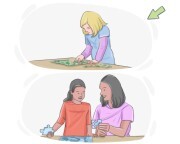
able to do things as one wants without needing help from others
nezávislý
Nezávislý myslitel zpochybňuje konvenční moudrost a kuje si vlastní cestu životem.
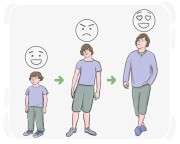
to personally be involved in and understand a particular situation, event, etc.
zažít, prožít
Cestování do nové země vám umožní zažít různé kultury.
the feeling of disorientation and confusion that people experience when they are in a new and unfamiliar cultural environment
kulturní šok, šok z kultury
Studium v zahraničí jí pomohlo překonat její počáteční kulturní šok.

to move in a relaxed or casual manner
toulat se, procházet se
Toulal jsem se úzkými uličkami a užíval si výhledy a zvuky města.

feeling sad because of being away from one's home
stýskající si po domově, cítící stesk po domově
Snažili se jí pomoci cítit se méně stesk po domově plánováním videohovorů s její rodinou.

intensely interested or captivated by something or someone
fascinovaný, uchvácený
Po absolvování kurzu se okouzlil procesem výroby keramiky.
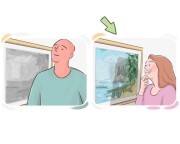
extremely interesting or captivating
fascinující, poutavý
Kouzelnické triky jsou fascinující na pohled a nechávají publikum očarované.

feeling intimidated, discouraged, or overwhelmed by a task or situation
zastrašený, odrazený
intimidating, challenging, or overwhelming in a way that creates a sense of fear or unease
zastrašující, náročný
Psaní románu může být odstrašující, ale s oddaností a vytrvalostí je dosažitelné.
difficult to accomplish, requiring skill or effort
náročný, obtížný
Dokončení překážkové dráhy bylo náročné, což účastníky přivedlo na hranice jejich fyzických možností.

frozen in place, often due to shock or fear
ztuhlý, zmražený
V přítomnosti obrovských vln zůstali návštěvníci pláže ztuhlí a bez řeči.
causing extreme fear or terror, often to the point of paralysis or immobility
děsivý, kamenující
Chůze v noci sám v lese byl děsivý zážitek.
feeling slightly angry or irritated
naštvaný, podrážděný
Rozčílil se, když jeho telefon nepřestával vibrovat oznámeními.

causing slight anger
otravný, nepříjemný
Otravné bzučení komárů je udrželo vzhůru celou noc.
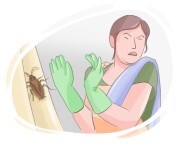
having or displaying great dislike for something
znechucený, odporný
Byli znechuceni nelidským zacházením se zvířaty na tovární farmě.

extremely unpleasant
nechutný, odporný
Myšlenka jíst hmyz může být pro některé chutná, ale pro jiné je to naprosto odporné.
impressive or exceptional in a way that seems the result of a sudden creative impulse
inspirovaný, geniální
Konec filmu byl inspirovaný zvrat.
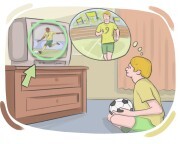
producing feelings of motivation, enthusiasm, or admiration
inspirující, motivující
Její cesta odolnosti a odhodlání byla opravdu inspirativní pro všechny, kteří ji znali.
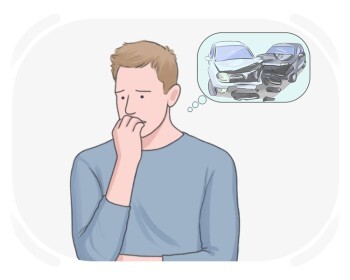
feeling unhappy and afraid because of something that has happened or might happen
ustaraný, znepokojený
Byl znepokojen svou pracovní jistotou, cítil se nepříjemně kvůli nedávným propouštěním ve společnosti.
creating a sense of unease or distress about potential negative outcomes
znepokojující, znepokojivý
Znepokojující chování jejího mazlíčka, který odmítal jíst a spát, ji přimělo konzultovat veterináře.

having a pleasantly mild, low temperature
chladný, osvěžující
Odpočívali ve chladném stínu stromů během pikniku.
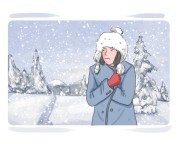
cold in an unpleasant or uncomfortable way
studený, chladný
Chladný vánek prošel prázdnými ulicemi.

having below zero degrees Celsius or Fahrenheit
pod nulou, negativní
Arktická zvířata jsou přizpůsobena k přežití v prostředích pod nulou po celý rok.

(of weather) pleasantly warm and less cold than expected
mírný, vlídný
Počasí bylo na tuto roční dobu neobvykle mírné.

(of weather or temperature) extremely hot, causing intense heat and discomfort
pálivý, spalující
Spalující vzduch ztěžoval dýchání, dokonce i ve stínu.

to rain heavily and in a large amount
lít, liják
Monzunové období způsobuje, že téměř každé odpoledne prší jako z konve.
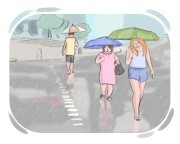
rain that falls in small, fine drops, creating a gentle and steady rainfall
mrholení, déšť
Po silném dešti pokračoval mrholení až do večera.
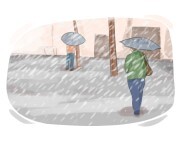
to rain or snow as if in a shower
pršet, sněžit
Děti si hrály venku, když sníh padal jako z konve, což vytvářelo pocit zimní pohádkové země.
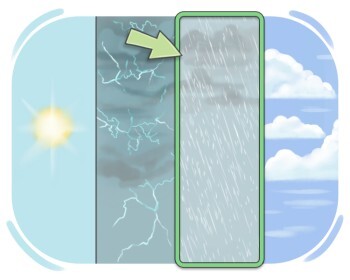
having occasional or brief periods of rain
deštivý, s přeháňkami
Deštivé odpoledne udržovalo většinu lidí uvnitř, hledajíc úkryt před deštěm.

a gentle and usually pleasant wind
vánek, lehký vítr
Během jízdy na lodi si užívali mořský vánek.

having a gentle, refreshing wind
větrný, osvěžující
Větrné podmínky učinily venkovní aktivity, jako je turistika, příjemnějšími.

(of weather or the sky) filled with a lot of dark clouds
zataženo, oblačno
Rozhodli jsme se odložit náš výlet, protože obloha byla úplně zatažená a bouře se zdála být bezprostřední.

(of weather) sunny and without many clouds
jasný, zářivý
Děti si radostně hrály v parku pod jasnou modrou oblohou.
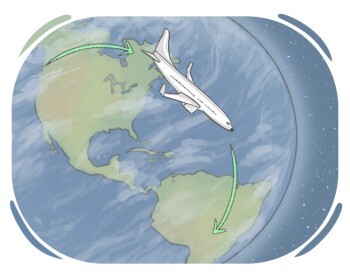
to leave one's own country in order to live in a foreign country
emigrovat, přestěhovat se do zahraničí
V 19. století se velké množství Evropanů rozhodlo emigrovat do Spojených států za lepší budoucností.
in or traveling to a different country
v zahraničí, do jiné země
Společnost poslala několik zaměstnanců do zahraničí na konferenci.

to change one's place of residence or work
stěhovat se, přesunout se

to stop living, working, or being a part of a particular place or group
odejít, opustit
Po absolvování střední školy opustila domov, aby mohla studovat na vysoké škole.
to go from one place to another with no specific destination or purpose in mind
toulat se, bloudit
V líné nedělní odpoledne ráda bloumám tichými uličkami starého města.
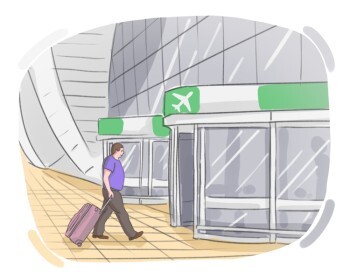
to start a journey
vyrazit, vydat se na cestu
Cyklisté vyrazili na svou dlouhou jízdu venkovem a užívali si čerstvý vzduch.

to accompany someone to their point of departure and say goodbye to them
vyprovodit, rozloučit se
Školní personál a studenti vyprovodili svého odcházejícího ředitele do důchodu upřímným obřadem.
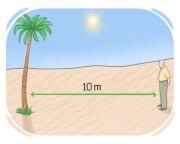
at or to a certain distance away in physical space
daleko, v dálce
Postavili novou stodolu trochu dál od staré.

to move from a person or place
odejít, odstoupit
Déšť konečně přestal a mraky se začaly rozptylovat.
to come to be or to happen
dít se, odehrávat se
Můžeš mi říct, co se děje se stavbou vedle?

to choose something among other things
vybrat, rozhodnout se pro
Zvolím si lososa z jídelního lístku; je to moje oblíbené jídlo.
![to [go] back on a (promise|deal|pledge)](https://cdn.langeek.co/photo/70257/thumb/350?type=jpeg "to [go] back on a (promise|deal|pledge)")
to fail to keep or fulfill a commitment or assurance made to someone

to become affected by an illness
onemocnět, chytit
Onemocněl těžkou bronchitidou a musel zůstat doma týden.
![to [have] a go](https://cdn.langeek.co/photo/43126/thumb/350?type=jpeg "to [have] a go")
to make an attempt to achieve or do something
zkusit to, pokusit se
Zkusil soutěž, i když byl v tom sportu nový.
![to [make] a go of {sth}](https://cdn.langeek.co/photo/26353/thumb/350?type=jpeg "to [make] a go of {sth}")
to try to make something successful, often with a significant degree of effort or determination
rozjet to, dotáhnout něco k úspěchu
Když se oba budeme snažit, můžeme ten vztah zvládnout.

in a state of being actively engaged in various activities or constantly in motion, typically indicating a busy and active lifestyle
pořád v pohybu, pořád v jednom kole
Nový manažer je rád pořád v pohybu a nerad sedí na místě.
![to [go] without saying](https://cdn.langeek.co/photo/46738/thumb/350?type=jpeg "to [go] without saying")
used to say that something is so obvious that there is no need for further explanation
je samozřejmé, rozumí se samo sebou
Respekt k hostům je samozřejmost.
![to [go] back on {one's} word](https://cdn.langeek.co/photo/70259/thumb/350?type=jpeg "to [go] back on {one's} word")
to fail to keep a promise or commitment that was previously made
