
Oblečení a Móda - Historické oblečení
Zde se naučíte některá anglická slova související s historickými oděvy, jako jsou "brnění", "toga" a "tabard".
Revize
Kartičky
Pravopis
Kvíz

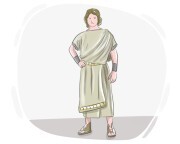
a kind of loose and long outer clothing item worn by the people of ancient Rome

toga, druh volného a dlouhého svrchního oděvu
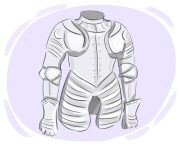
a protective metal clothing used by soldiers in the past in order not to be harmed or injured during battles
brnění, zbroj
Rytíř si oblékl svou těžkou zbroj předtím, než vyrazil do bitvy, čímž zajistil svou bezpečnost zesílenými kovovými pláty.

a sleeveless tunic worn over armor by knights during the Middle Ages
tabard, bezerukávová tunika nošená rytíři ve středověku

a knot or rosette of ribbons or lace worn on a hat or clothing as a badge
kokarda, rozetka

a simple piece of cloth that covers the genitals and is worn as an undergarment
bederní rouška, krycí kus látky pro genitálie

a cloth that covers the genital area, typically worn by men as a part of their clothing during the 15th and 16th centuries
nákrčník, kus látky kryjící genitální oblast

a long, narrow piece of clothing worn around the neck, often used as a decorative accessory
šála, štóla

a framework or padding used to create a fuller rear silhouette in skirts or dresses, popular in 19th-century fashion
bustle, vycpávka pro sukně

a type of decorative collar that was popular in Europe in the 16th and 17th centuries
okruží, ozdobný límec

a type of armor made of small metal rings linked together in a pattern to form a protective mesh-like garment
kroužková zbroj, brnění
a loose, sleeveless outer garment that was worn over the armor typically by knights during the medieval period
surcoat, svrchní oděv přes brnění

a man's snug-fitting jacket, originating in the 14th century, that is worn over a shirt and underneath a coat
doublet, pánská přiléhavá bunda

a man's long coat with a fitted waist and a flared skirt that was popular in the 19th century
frak, dlouhý pánský kabát
a type of armor made of interlocking metal rings or plates, traditionally worn to protect the body from weapons
kroužková zbroj, brnění
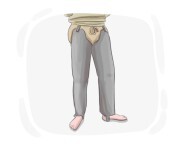
a type of leg armor worn in medieval times, consisted of fitted fabric or mail leggings that protected the lower legs and feet
návleky na nohy

a quilted padded garment worn as protective padding underneath armor during medieval times for impact absorption and body protection in combat
gambeson, prošívaná vesta
a type of long tunic made of interlocking metal rings, worn as body armor during the Middle Ages
kroužková zbroj, hauberk
a short, close-fitting jacket or sleeveless shirt, typically made of leather and worn as a protective garment
krátká přiléhavá bunda, bezrukávová košile
a sleeveless, fitted tunic or overdress, often worn by women in medieval times over a skirt or under a gown for layering or modesty
župan
a cloak or covering worn by religious figures or used in religious ceremonies
plášť, pokrývka
a circular band of cloth worn by high-ranking clergy over their chasuble as a symbol of their authority
pallium, pallium (kruhový pruh látky)
a fabric or lace collar worn by women in medieval times, often over the neckline of a gown or dress for coverage or adornment
partlet, látkový nebo krajkový límec nošený ženami ve středověku
a type of men's clothing in the 16th century that were close-fitting garments covering the hips and thighs, often filled out to create a puffed, rounded appearance
nadmuté kalhoty, vycpané nohavice
a style of men's long, close-fitting overcoat worn for outdoor activities such as hunting or horse riding
redingot, jezdecký kabát

a simple tunic garment made of a single piece of fabric, draped over the body and fastened at the shoulders, worn by ancient Greek men and women
chitón, řecká tunika
a style of women's clothing that was worn for horseback riding and includes a tailored jacket, a long skirt, and a shirt or blouse
jezdecký oděv, zvyk jízdy
| Oblečení a Móda | |||
|---|---|---|---|
| Popis oblečení | Svět módy | Výroba oblečení | Tradiční oblečení |
| Historické oblečení | Péče o oblečení | Nouns Relating to Clothing | Verbs Relating to Clothing |
