
Abbigliamento e Moda - Abbigliamento storico
Qui imparerai alcune parole inglesi relative a vestiti storici come "armatura", "toga" e "tabarro".
Revisione
Flashcard
Ortografia
Quiz

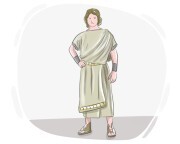
a kind of loose and long outer clothing item worn by the people of ancient Rome

toga, indumento esterno lungo e largo degli antichi Romani
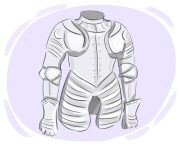
a protective metal clothing used by soldiers in the past in order not to be harmed or injured during battles
armatura
Il cavaliere indossò la sua pesante armatura prima di dirigersi in battaglia, assicurando la sua sicurezza con le sue piastre di metallo rinforzate.

a sleeveless tunic worn over armor by knights during the Middle Ages
tabardo, tunica senza maniche indossata dai cavalieri nel Medioevo

a knot or rosette of ribbons or lace worn on a hat or clothing as a badge
coccarda, rosetta

a simple piece of cloth that covers the genitals and is worn as an undergarment
perizoma, grembiule

a cloth that covers the genital area, typically worn by men as a part of their clothing during the 15th and 16th centuries
braghetta, pezza di stoffa che copre l'area genitale

a long, narrow piece of clothing worn around the neck, often used as a decorative accessory
sciarpa, stola

a framework or padding used to create a fuller rear silhouette in skirts or dresses, popular in 19th-century fashion
bustino, imbottitura per gonne

a type of decorative collar that was popular in Europe in the 16th and 17th centuries
gorgiera, collare a ruota

a type of armor made of small metal rings linked together in a pattern to form a protective mesh-like garment
cotta di maglia, maglia
a loose, sleeveless outer garment that was worn over the armor typically by knights during the medieval period
sopravveste, cotta d'arme

a man's snug-fitting jacket, originating in the 14th century, that is worn over a shirt and underneath a coat
giubbone, doublet

a man's long coat with a fitted waist and a flared skirt that was popular in the 19th century
redingote, frac
a type of armor made of interlocking metal rings or plates, traditionally worn to protect the body from weapons
maglia di ferro, corazza
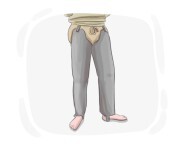
a type of leg armor worn in medieval times, consisted of fitted fabric or mail leggings that protected the lower legs and feet
calze

a quilted padded garment worn as protective padding underneath armor during medieval times for impact absorption and body protection in combat
gambesone, indumenta imbottita
a type of long tunic made of interlocking metal rings, worn as body armor during the Middle Ages
usbergo, cotta di maglia
a short, close-fitting jacket or sleeveless shirt, typically made of leather and worn as a protective garment
un farsetto, una giacca corta aderente
a sleeveless, fitted tunic or overdress, often worn by women in medieval times over a skirt or under a gown for layering or modesty
giubba
a cloak or covering worn by religious figures or used in religious ceremonies
mantello, piviale
a circular band of cloth worn by high-ranking clergy over their chasuble as a symbol of their authority
pallio, pallium (striscia circolare di stoffa)
a fabric or lace collar worn by women in medieval times, often over the neckline of a gown or dress for coverage or adornment
partlet, collare di tessuto o pizzo indossato dalle donne nel Medioevo
a type of men's clothing in the 16th century that were close-fitting garments covering the hips and thighs, often filled out to create a puffed, rounded appearance
calzoni imbottiti, brache gonfie
a style of men's long, close-fitting overcoat worn for outdoor activities such as hunting or horse riding
una redingote, un cappotto da equitazione

a tunic-like garment formed from a rectangular piece of cloth and worn by men and women in ancient Greece
chitone, chiton
a style of women's clothing that was worn for horseback riding and includes a tailored jacket, a long skirt, and a shirt or blouse
abito da equitazione, veste per cavalcare
| Abbigliamento e Moda | |||
|---|---|---|---|
| Descrivere i vestiti | Il Mondo della Moda | Fare vestiti | Abbigliamento tradizionale |
| Abbigliamento storico | Prendersi cura dei vestiti | Nouns Relating to Clothing | Verbs Relating to Clothing |
