
Roupas e Moda - Roupas Históricas
Aqui você aprenderá algumas palavras em inglês relacionadas a roupas históricas como "armadura", "toga" e "tabardo".
Revisar
Flashcards
Ortografia
Quiz

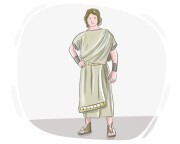
a kind of loose and long outer clothing item worn by the people of ancient Rome

toga, um tipo de vestimenta exterior solta e longa usada pelos povos da Roma antiga
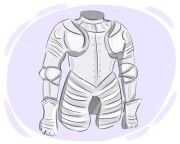
a protective metal clothing used by soldiers in the past in order not to be harmed or injured during battles
armadura, couraça
As cenas de batalha do filme foram aprimoradas pelas armaduras realistas usadas pelos atores, adicionando autenticidade ao cenário histórico.

a sleeveless tunic worn over armor by knights during the Middle Ages
tabardo, túnica sem mangas usada por cavaleiros na Idade Média

a knot or rosette of ribbons or lace worn on a hat or clothing as a badge
cocar, roseta

a simple piece of cloth that covers the genitals and is worn as an undergarment
tangapé, pano de cobrir os genitais

a cloth that covers the genital area, typically worn by men as a part of their clothing during the 15th and 16th centuries
braguilha, peça de tecido que cobre a área genital

a long, narrow piece of clothing worn around the neck, often used as a decorative accessory
cachecol, estola

a framework or padding used to create a fuller rear silhouette in skirts or dresses, popular in 19th-century fashion
armação para saias, enchimento para vestidos

a type of decorative collar that was popular in Europe in the 16th and 17th centuries
gola, colar decorativo

a type of armor made of small metal rings linked together in a pattern to form a protective mesh-like garment
cota de malha, malha
a loose, sleeveless outer garment that was worn over the armor typically by knights during the medieval period
sobretúnica, cota de armas

a man's snug-fitting jacket, originating in the 14th century, that is worn over a shirt and underneath a coat
gibão, doublet

a man's long coat with a fitted waist and a flared skirt that was popular in the 19th century
casaca, frock coat
a type of armor made of interlocking metal rings or plates, traditionally worn to protect the body from weapons
cota de malha, armadura
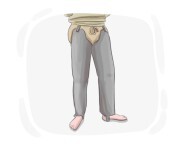
a type of leg armor worn in medieval times, consisted of fitted fabric or mail leggings that protected the lower legs and feet
calças

a quilted padded garment worn as protective padding underneath armor during medieval times for impact absorption and body protection in combat
gambesão, veste acolchoada
a type of long tunic made of interlocking metal rings, worn as body armor during the Middle Ages
cota de malha, hauberk
a short, close-fitting jacket or sleeveless shirt, typically made of leather and worn as a protective garment
um gibão, uma jaqueta curta justa
a sleeveless, fitted tunic or overdress, often worn by women in medieval times over a skirt or under a gown for layering or modesty
jupon
a cloak or covering worn by religious figures or used in religious ceremonies
manto, capa
a circular band of cloth worn by high-ranking clergy over their chasuble as a symbol of their authority
pálio, pallium (faixa circular de tecido)
a fabric or lace collar worn by women in medieval times, often over the neckline of a gown or dress for coverage or adornment
partlet, colarinho de tecido ou renda usado por mulheres na Idade Média
a type of men's clothing in the 16th century that were close-fitting garments covering the hips and thighs, often filled out to create a puffed, rounded appearance
calções acolchoados, calças bufantes
a style of men's long, close-fitting overcoat worn for outdoor activities such as hunting or horse riding
uma redingote, um casaco de montaria

a tunic-like garment formed from a rectangular piece of cloth and worn by men and women in ancient Greece
quíton, quitão
a style of women's clothing that was worn for horseback riding and includes a tailored jacket, a long skirt, and a shirt or blouse
traje de equitação, hábito de montar
