
Vêtements et la mode - Vêtements Historiques
Lisez cette leçon pour apprendre des mots de vêtements historiques en anglais, tels que "armor", "toga" et "tabard".
Réviser
Flashcards
Orthographe
Quiz

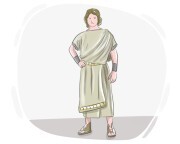
a kind of loose and long outer clothing item worn by the people of ancient Rome

toge, vêtement ample porté par les Romains
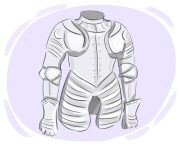
a protective metal clothing used by soldiers in the past in order not to be harmed or injured during battles
blindage
Le musée présentait une exposition sur les armures médiévales, mettant en valeur différents styles et designs utilisés à travers l'histoire.

a sleeveless tunic worn over armor by knights during the Middle Ages
tabard, tunique sans manches portée par les chevaliers au Moyen Âge

a knot or rosette of ribbons or lace worn on a hat or clothing as a badge
cocarde, rosette

a simple piece of cloth that covers the genitals and is worn as an undergarment
cache-sexe, pagne

a cloth that covers the genital area, typically worn by men as a part of their clothing during the 15th and 16th centuries
braguette, pièce de tissu couvrant l'entrejambe

a long, narrow piece of clothing worn around the neck, often used as a decorative accessory
écharpe, stole

a framework or padding used to create a fuller rear silhouette in skirts or dresses, popular in 19th-century fashion
tournure, rembourrage pour jupe

a type of decorative collar that was popular in Europe in the 16th and 17th centuries
fraise, collerette

a type of armor made of small metal rings linked together in a pattern to form a protective mesh-like garment
cotte de mailles, maille
a loose, sleeveless outer garment that was worn over the armor typically by knights during the medieval period
surcot, cotte d'armes

a man's snug-fitting jacket, originating in the 14th century, that is worn over a shirt and underneath a coat
pourpoint, doublet

a man's long coat with a fitted waist and a flared skirt that was popular in the 19th century
redingote, habit à la française
a type of armor made of interlocking metal rings or plates, traditionally worn to protect the body from weapons
cotte de mailles, maille
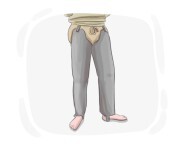
a type of leg armor worn in medieval times, consisted of fitted fabric or mail leggings that protected the lower legs and feet
chausses

a quilted padded garment worn as protective padding underneath armor during medieval times for impact absorption and body protection in combat
gambison, pourpoint matelassé
a type of long tunic made of interlocking metal rings, worn as body armor during the Middle Ages
haubert, cotte de mailles
a short, close-fitting jacket or sleeveless shirt, typically made of leather and worn as a protective garment
un pourpoint, une veste courte ajustée
a sleeveless, fitted tunic or overdress, often worn by women in medieval times over a skirt or under a gown for layering or modesty
jupon
a circular band of cloth worn by high-ranking clergy over their chasuble as a symbol of their authority
pallium, pallium (bande d'étoffe circulaire)
a fabric or lace collar worn by women in medieval times, often over the neckline of a gown or dress for coverage or adornment
partlet, col en dentelle ou en tissu porté par les femmes au Moyen Âge
a type of men's clothing in the 16th century that were close-fitting garments covering the hips and thighs, often filled out to create a puffed, rounded appearance
hauts-de-chausses, chausses bouffantes
a style of men's long, close-fitting overcoat worn for outdoor activities such as hunting or horse riding
une redingote, un manteau de cheval

a tunic-like garment formed from a rectangular piece of cloth and worn by men and women in ancient Greece
chiton, chitone
a style of women's clothing that was worn for horseback riding and includes a tailored jacket, a long skirt, and a shirt or blouse
tenue d'équitation, habit d'équitation
