pattern

Cambridge IELTS 18 - Akademický - Test 2 - Čtení - Úryvek 1 (1)

Zde najdete slovní zásobu z Testu 2 - Čtení - Pasáž 1 (1) v učebnici Cambridge IELTS 18 - Academic, která vám pomůže připravit se na vaši IELTS zkoušku.

Revize

Kartičky

tvary

Pravopis

Kvíz
Začněte se učit
Cambridge IELTS 18 - Academic
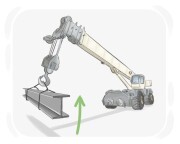
to hoist
to hoist
[sloveso]

to lift or raise an object, typically heavy or bulky, using ropes and pulleys

vztyčit, zvednout

vztyčit, zvednout

Ex: She hoisted the sail to catch the wind and propel the boat forward .

Ona vztyčila plachtu, aby chytila vítr a poháněla loď vpřed.

bluestone
bluestone
[Podstatné jméno]

bluish-grey sandstone used for paving and building

modrý kámen, modrošedý pískovec

modrý kámen, modrošedý pískovec

to remain
to remain
[sloveso]

to stay in existence after other parts or elements have disappeared or been used up

zůstat, přetrvat

zůstat, přetrvat

Ex: After the fire , only the foundation of the building remained.

Po požáru zůstal pouze základ budovy.

standing
standing
[Přídavné jméno]

having a supporting base

stojící, ve svislé poloze

stojící, ve svislé poloze

position
position
[Podstatné jméno]

the specific location or area occupied by something in space

pozice, umístění

pozice, umístění

Ex: The car 's position in traffic caused a bottleneck .

Pozice auta v dopravě způsobila dopravní zácpu.

to trace
to trace
[sloveso]

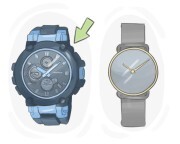
to research or follow the history or development of something

vystopovat, sledovat
vystopovat, sledovat

Ex: The researcher traced the history of the company from its founding .

Výzkumník vystopoval historii společnosti od jejího založení.

sophisticated
sophisticated
[Přídavné jméno]

(of a system, device, or technique) intricately developed to a high level of complexity

sofistikovaný, pokročilý

sofistikovaný, pokročilý

Ex: The sophisticated architecture of the building was a blend of modern and classical elements .

Dokonalá architektura budovy byla směsicí moderních a klasických prvků.

engineering
engineering
[Podstatné jméno]

the practical application of technical and scientific knowledge to commerce or industry

inženýrství

inženýrství

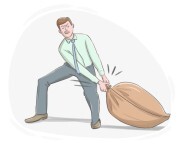
to haul
to haul
[sloveso]

to pull something or someone along the ground, usually with difficulty

táhnout, vléct

táhnout, vléct

Ex: It took two people to haul the heavy boulder out of the way .

Byly potřeba dva lidé, aby vytáhli těžký balvan z cesty.

boulder
boulder
[Podstatné jméno]

a large rock, usually one that has been shaped by natural forces such as water or ice

balvan, skála

balvan, skála

Ex: The archaeologists discovered ancient petroglyphs carved into the surface of the boulder, offering insights into the beliefs of past civilizations .

Archeologové objevili starověké petroglyfy vyryté do povrchu balvanu, což nabízí pohled na víry minulých civilizací.
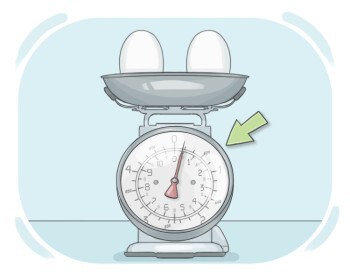
to weigh
to weigh
[sloveso]

to have a specific weight

vážit, mít váhu

vážit, mít váhu

Ex: The parcel weighs five kilograms , making it a heavy shipment .

Zásilka váží pět kilogramů, což z ní činí těžkou zásilku.

up to
up to
[předložka]

indicating that the quantity or count mentioned does not exceed a specified value

až, maximálně

až, maximálně

Ex: You can invite up to ten guests to the party .

Na večírek můžete pozvat deset hostů.

longstanding
longstanding
[Přídavné jméno]

having persisted or existed for a significant amount of time

dlouhodobý, starý

dlouhodobý, starý

Ex: The restaurant is known for its longstanding commitment to using locally sourced ingredients in its dishes .

Restaurace je známá svým dlouhodobým závazkem používat v pokrmech místní suroviny.

sledge
sledge
[Podstatné jméno]

a vehicle usually pulled by horses, which people get on to slide over snow

sáně,  sněžný vůz
sáně, sněžný vůz

roller
roller
[Podstatné jméno]

a cylinder that revolves

válec, role

válec, role

trunk
trunk
[Podstatné jméno]

the main wooden body of a tree

kmen, strom

kmen, strom

Ex: The trunk of the tree showed signs of damage from a recent storm , with several large cracks .

Kmen stromu vykazoval známky poškození z nedávné bouře, s několika velkými prasklinami.

to lug
to lug
[sloveso]

to transport or haul something heavy or cumbersome with effort

vláčet, tahat

vláčet, tahat

Ex: The delivery personnel had to lug the oversized package to the customer 's doorstep .

Doručovatelé museli vláčet nadměrně velký balík až ke dveřím zákazníka.

to transfer
to transfer
[sloveso]

to make a person or thing move from a place, situation, or person to another

převést, přemístit

převést, přemístit

Ex: The software developer had to transfer code snippets from one section of the program to another .

Vývojář softwaru musel přenést fragmenty kódu z jedné části programu do druhé.

raft
raft
[Podstatné jméno]

a board that is consisted of long pieces of a wood, reed, etc. tied together, which people use to sail or float on water

vor, dřevěný vor

vor, dřevěný vor

Ex: The raft was made of wooden planks tied together with ropes .

Vor byl vyroben z dřevěných prken svázaných dohromady provazy.

to float
to float
[sloveso]

to release or place something on a liquid surface, allowing it to move freely

plavat, vypustit

plavat, vypustit

Ex: Mourners gathered at the riverbank to float candles in memory of their loved ones

Pozůstalí se sešli na břehu řeky, aby nechali plavat svíčky na památku svých blízkých.

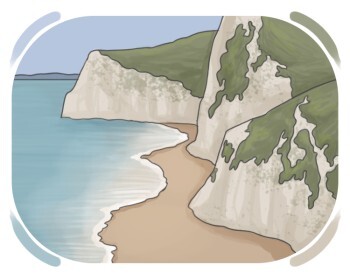
coast
coast
[Podstatné jméno]

the land close to a sea, ocean, or lake

pobřeží, břeh

pobřeží, břeh

Ex: Yesterday the coast was full of people enjoying the summer sun .

Včera bylo pobřeží plné lidí, kteří si užívali letní slunce.

alternatively
alternatively
[Příslovce]

as a second choice or another possibility

alternativně, jako alternativa
alternativně, jako alternativa

Ex: If the weather is unfavorable for outdoor activities , you can alternatively explore indoor entertainment options .

Pokud je počasí nepříznivé pro venkovní aktivity, můžete alternativně prozkoumat možnosti zábavy v interiéru.

to tow
to tow
[sloveso]

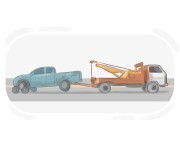
to pull an object behind a vehicle, typically using a rope or chain

vléct, táhnout

vléct, táhnout

Ex: A kind motorist stopped to help and used a tow rope to tow the stranded car to the nearest service station .

Laskavý řidič zastavil, aby pomohl, a použil tažné lano k tažení uvízlého auta k nejbližší čerpací stanici.

fleet
fleet
[Podstatné jméno]

a group of aircraft belonging to and operated by the same company or organization

flotila, letecká flotila

flotila, letecká flotila

Ex: A modern fleet ensures greater fuel efficiency .

Moderní flotila zajišťuje větší palivovou účinnost.

vessel
vessel
[Podstatné jméno]

any vehicle designed for travel across or through water

loď, plavidlo

loď, plavidlo

Ex: The research vessel embarked on an expedition to study marine life in the Antarctic waters .

Výzkumná loď vyrazila na expedici, aby studovala mořský život v antarktických vodách.

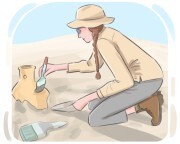
archeological
archeological
[Přídavné jméno]

related to the study or exploration of human history and prehistory through the excavation of artifacts and sites

archeologický

archeologický

Ex: The archeological expedition uncovered a buried tomb dating back to the Pharaonic era .

Archeologická expedice odhalila pohřbenou hrobku pocházející z faraonské éry.

stonehenge
stonehenge
[Podstatné jméno]

an ancient megalithic monument in southern England; probably used for ritual purposes

Stonehenge, starobylá megalitická památka v jižní Anglii; pravděpodobně sloužila k rituálním účelům
Stonehenge, starobylá megalitická památka v jižní Anglii; pravděpodobně sloužila k rituálním účelům

archeologist
archeologist
[Podstatné jméno]

a person whose job is to study ancient societies using facts, objects, buildings, etc. remaining in excavation sites

archeolog

archeolog

to puzzle out
to puzzle out
[sloveso]

find the solution to (a problem or question) or understand the meaning of

vyřešit, pochopit

vyřešit, pochopit

mystery
mystery
[Podstatné jméno]

something that is hard to explain or understand, often involving a puzzling event or situation with an unknown explanation

záhada, tajemství

záhada, tajemství

Ex: The scientist is trying to solve the mystery of how the disease spreads .

Vědec se snaží vyřešit záhadu šíření nemoci.

monument
monument
[Podstatné jméno]

a place or building that is historically important

památník

památník

Ex: The Taj Mahal is a stunning monument built in memory of Emperor Shah Jahan ’s beloved wife , Mumtaz Mahal .

Tádž Mahal je úchvatný památník postavený na památku milované manželky císaře Šáhdžahána, Mumtáz Mahal.

to erect
to erect
[sloveso]

to build or assemble a structure or object in an upright position

postavit, stavět

postavit, stavět

Ex: The company planned to erect a solar power plant to harness clean energy for the community .

Společnost plánovala postavit solární elektrárnu, aby využila čistou energii pro komunitu.

plain
plain
[Podstatné jméno]

a vast area of flat land

pláň, rovina
pláň, rovina

Ex: During their expedition , the explorers crossed a vast plain that seemed to go on forever .

Během své expedice průzkumníci překročili rozsáhlou pláň, která se zdála být nekonečná.

to comprise
to comprise
[sloveso]

to be made up of various components or parts within a whole

zahrnovat, obsahovat

zahrnovat, obsahovat

Ex: The project comprised multiple phases , each with specific objectives .

Projekt se skládal z více fází, každá s konkrétními cíli.

roughly
roughly
[Příslovce]

without being exact

přibližně, zhruba

přibližně, zhruba

Ex: The distance between the two cities is roughly 100 kilometers .

Vzdálenost mezi dvěma městy je přibližně 100 kilometrů.
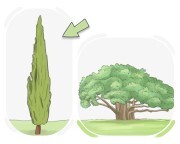
upright
upright
[Příslovce]

in an upward or vertical position

svisle, rovně
svisle, rovně

Ex: The soldier stood upright during the entire ceremony.

Voják stál vzpřímeně po celou dobu obřadu.

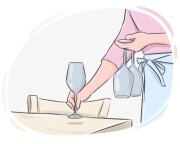
to place
to place
[sloveso]

to lay or put something somewhere

umístit, položit
umístit, položit

Ex: The librarian asked patrons to place borrowed books in the designated return bin .

Knihovník požádal návštěvníky, aby umístili vypůjčené knihy do určeného vracení boxu.

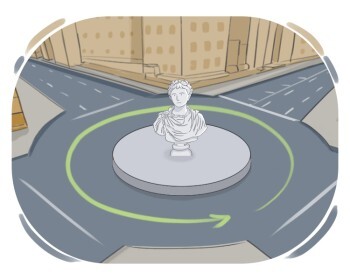
circular
circular
[Přídavné jméno]

having a shape like a circle

kruhový, kulatý

kruhový, kulatý

Ex: The circular rug added a touch of elegance to the living room , complementing the curved furniture .

Kulatý koberec dodal obývacímu pokoji nádech elegance a doplnil zakřivený nábytek.

layout
layout
[Podstatné jméno]

the specific way by which a building, book page, garden, etc. is arranged

rozvržení, uspořádání

rozvržení, uspořádání

Ex: The interior decorator considered the layout of the furniture in the living room , aiming for both functionality and aesthetics .

Interiérový návrhář zvážil uspořádání nábytku v obývacím pokoji, s cílem dosáhnout jak funkčnosti, tak estetiky.

iconic
iconic
[Přídavné jméno]

widely recognized and regarded as a symbol of a particular time, place, or culture

ikonský, symbolický

ikonský, symbolický

Ex: The Eiffel Tower is an iconic symbol of Paris and French culture .

Eiffelova věž je ikonickým symbolem Paříže a francouzské kultury.
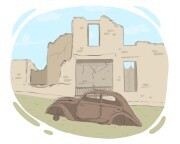
ruin
ruin
[Podstatné jméno]

(plural) the remains of something such as a building after it has been seriously damaged or destroyed

trosky, zříceniny

trosky, zříceniny

Ex: The archaeological team discovered the ruins of an ancient city .

Archeologický tým objevil trosky starověkého města.

neolithic
neolithic
[Přídavné jméno]

related to the latest part of the Stone Age when humans used stones as tools and weapons

neolitický, vztahující se k mladší době kamenné

neolitický, vztahující se k mladší době kamenné

Briton
Briton
[Podstatné jméno]

an inhabitant of southern Britain prior to the Anglo-Saxon invasions

Briton, Britové

Briton, Britové

primitive
primitive
[Přídavné jméno]

basic and simple, lacking modern features or advancements

primitivní, jednoduchý

primitivní, jednoduchý

Ex: The technology they were using seemed primitive by today 's standards .

Technologie, kterou používali, se podle dnešních standardů zdála primitivní.

to fashion
to fashion
[sloveso]

to create or make something by putting different parts or materials together

vyrábět, tvořit
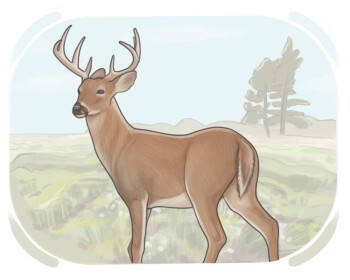
vyrábět, tvořit

Ex: Artists often fashion sculptures by shaping and combining various materials creatively .

Umělci často tvoří sochy kreativním tvarováním a kombinováním různých materiálů.

deer
deer
[Podstatné jméno]

a large, wild animal with long legs which eats grass and can run very fast, typically the males have horns

jelen, laň
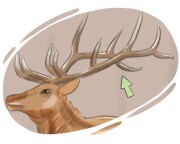
jelen, laň

Ex: We silently watched from a distance as the deer peacefully rested under the shade of a tree .

Tiše jsme pozorovali z dálky, jak jelen poklidně odpočíval ve stínu stromu.

antler
antler
[Podstatné jméno]

any of the pair of branched horns that grow annually on the head of an adult animal, typically a male one, from the deer family

paroh, jelení paroh

paroh, jelení paroh

ditch
ditch
[Podstatné jméno]

a long, narrow hole next to a road to keep it from getting too wet

příkop, strouha

příkop, strouha

Ex: The ditch was overgrown with cattails and reeds .

Příkop byl zarostlý orobincem a rákosím.

bank
bank
[Podstatné jméno]

a long, raised mass of earth, sand, snow, or other material

násep, hromada

násep, hromada

Ex: The river 's current deposited a bank of pebbles and stones along its edge .

Proud řeky uložil břeh z oblázků a kamenů podél jejího okraje.

pit
pit
[Podstatné jméno]

a large hole in the ground where stones, minerals, or other materials are removed

jáma, lom

jáma, lom

Ex: Trucks carried loads of gravel from the pit to the factory .

Nákladní auta přepravovala náklady štěrku z lomu do továrny.

to date back
to date back
[sloveso]

to have origins or existence that extends to a specific earlier time

pocházet z, datovat se do

pocházet z, datovat se do

Ex: The historic mansion 's construction dates back to the early 19th century .

Stavba historického sídla sahá do počátku 19. století.
era
era
[Podstatné jméno]

a period of history marked by particular features or events

éra, období

éra, období

Ex: The Industrial Revolution ushered in an era of rapid technological and economic change .

Průmyslová revoluce zahájila éru rychlých technologických a ekonomických změn.

timber
timber
[Podstatné jméno]

a vertical wooden post or stake, often used for fencing, support, or markers

sloup, kůl

sloup, kůl

Ex: Timber markers indicated property boundaries .

Dřevěné kůly označovaly hranice pozemku.

post
post
[Podstatné jméno]

a sturdy pole made of metal or timber that is dug into the ground to be used as a marker or support something

sloup, pilíř

sloup, pilíř

scholar
scholar
[Podstatné jméno]

someone who has a lot of knowledge about a particular subject, especially in the humanities

učenec, vědec

učenec, vědec

Ex: She is a respected scholar whose research has significantly contributed to our understanding of classical languages .

Je to vážená učenkyně, jejíž výzkum významně přispěl k našemu pochopení klasických jazyků.

estimated
estimated
[Přídavné jméno]

roughly calculated or guessed but is not exact

odhadovaný, přibližný

odhadovaný, přibližný

Ex: The building's estimated height is over 300 feet.

Odhadovaná výška budovy je přes 300 stop.

henge
henge
[Podstatné jméno]

a large, round area of land with a ditch and a raised edge around it, usually built long ago for ceremonies, meetings, or special events

henge, kamenný kruh

henge, kamenný kruh

Ex: Farmers found pieces of pottery close to the henge.

Farmáři našli kousky keramiky blízko henge.

horseshoe
horseshoe
[Podstatné jméno]

a shape that looks like the letter U, with two ends that curve slightly inward

podkova, tvar podkovy

podkova, tvar podkovy

Ex: The river formed a natural horseshoe bend through the valley .

Řeka vytvořila přírodní ohyb ve tvaru podkovy přes údolí.

LanGeek
Stáhnout aplikaci LanGeek