
Cambridge IELTS 16 - Akademický - Test 3 - Čtení - Úsek 2
Učte se slovní zásobu z Cambridge IELTS 16 Academic, Test 3 Reading Passage 2, a procvičte si užitečná slova a výrazy z tohoto čtecího textu.
Revize
Kartičky
tvary
Pravopis
Kvíz

a man-made object, tool, weapon, etc. that was created in the past and holds historical or cultural significance

artefakt, lidský výtvor
Tento artefakt, krásně vyřezávaná socha, byl významným nálezem, který pomohl datovat historické místo.
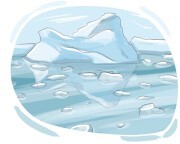
a large mass of ice that forms over long periods of time, especially in polar regions or high mountains
ledovec, trvalý led
Farma využívá obnovitelnou energii k napájení svých operací.
line marking the upper limit of tree growth in mountains or northern latitudes
hranice lesa, lesní hranice
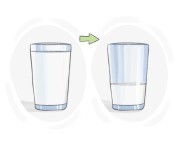
to decrease in size or volume
zmenšit se, snížit se
Rozpočet projektu se musel zmenšit kvůli škrtům ve financování.
to completely stop existing or being found
zmizet, vytratit se
Některé jazyky mizí, protože je mluví stále méně lidí.

someone whose job is selling or buying shares, goods, or currencies
obchodník, obchodník
Obchodník používá technickou analýzu a grafické vzory k identifikaci potenciálních obchodních příležitostí.
a penetrating and profound understanding that goes beyond surface-level observations or knowledge
vhled, porozumění
Meditace a praktiky všímavosti podpořily hlubší porozumění vzájemné propojenosti.

any type of knitted, felted or woven cloth
textil, látka
Společnost se specializuje na ekologické textilie.
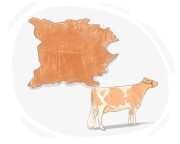
the skin of an animal, especially a large animal, either raw or treated
kůže, useň
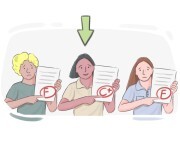
to a specific degree, particularly when compared to other similar things
relativně, srovnatelně
Jeho vysvětlení bylo relativně jasné, i když stále trochu matoucí.
a tiny living organism that can only be seen under a microscope, including bacteria, viruses, fungi, and protozoa
mikroorganismus, mikrob
Laboratorní technik kultivoval mikroorganismus, aby studoval jeho vlastnosti a chování.
the decomposition or rotting of organic matter
rozklad, hnití
Bakterie urychlují rozklad organického odpadu.
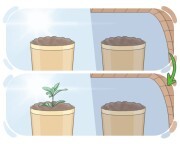
to be likely to develop or occur in a certain way because that is the usual pattern
mít tendenci, inklinovat
V chladnějších podnebích mají teploty tendenci výrazně klesat během zimních měsíců.
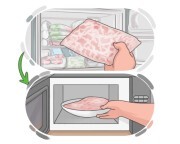
to gradually become unfrozen after being taken out of the freezer
rozmrazit, odmrazit
Před vařením večeře rozmrazila kuře.
the process of something becoming worse, weaker, or damaged, especially in quality, condition, or value
degradace, zhoršení
Film ukazuje degradaci přírody lidskou činností.
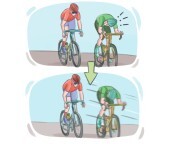
in a quick or immediate way
rychle, ihned
Doručovací služba zajišťuje, že balíčky jsou odesílány rychle.
![to [race] against (time|the clock)](https://cdn.langeek.co/photo/62084/thumb/350?type=jpeg "to [race] against (time|the clock)")
to work as fast as possible to get something done within a very limited time
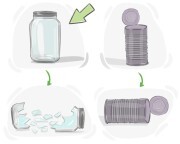
easily damaged or broken
křehký, lámavý
Zacházejte s křehkými porcelánovými talíři opatrně, abyste předešli poškození.
appearing untidy because of the wind
rozcuchaný větrem, rozfoukaný větrem

to reveal, uncover, or make visible something that was hidden or covered
odhalit, odkrýt
Detektiv hledal otisky prstů, aby odhalil jakékoli důkazy zanechané na místě činu.
a way of doing something or dealing with a problem
přístup, metoda
Učitelův přístup k disciplíně se zaměřuje na pozitivní posilování.

to take a closer look at something, especially thoroughly in order to investigate
prozkoumat, prohlédnout
Novinář prozkoumá místo nehody, aby podal zprávu o podrobnostech.
a small plot of land that is used for growing a particular type of crops or plants
parcela, pole
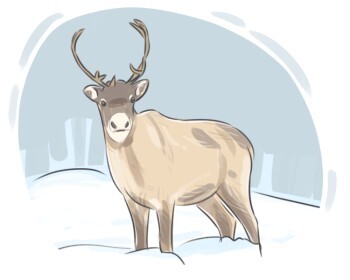
a type of deer with large antlers in both sexes, mainly living in cold regions
sob, karibu
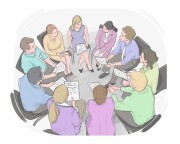
to come together in a group, often for a specific purpose or activity
shromažďovat se, scházet se
Před přednáškou se studenti shromáždili před přednáškovým sálem.
to navigate through a complex or narrow space by avoiding obstacles
proplétat se, kličkovat
Cyklista se protáhl hustým provozem.
a natural route or gap through a mountain range, lower than the surrounding peaks, allowing easier travel
průsmyk, průchod
Armáda překročila hory úzkým průsmykem.
an area where a group of families or people live together, often in a newly established community
osada, kolonie
Když byla osada poprvé postavena, byla tam malá infrastruktura.
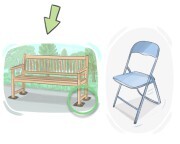
not moving or changing position
nepohyblivý, stacionární
Stacionární auto zablokovalo vjezd na parkoviště.
in the middle of, surrounded by
uprostřed, mezi
Děti si šťastně hrály uprostřed barevných květin v zahradě.
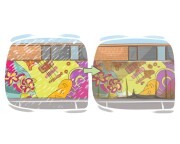
worn, eroded, or changed in appearance due to exposure to weather elements, such as wind, rain, or sun
zvětrálý, opotřebovaný
Ošlehané plachty lodi plápolaly ve větru, ukazujíce známky mnoha dlouhých plaveb.
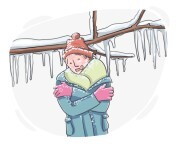
a weather condition during which the temperature drops below the freezing point and thin layers of ice are formed on the surfaces
mráz
Věděl, že přijde tvrdý mráz, takže přinesl rostliny dovnitř.
a large rock, usually one that has been shaped by natural forces such as water or ice
balvan, skála
Archeologové objevili starověké petroglyfy vyryté do povrchu balvanu, což nabízí pohled na víry minulých civilizací.
solid rock beneath surface materials, forming the Earth's crust foundation
matečná hornina, skalní podloží
Fosílie zabudované do podloží poskytly cenné informace o starověkých ekosystémech a environmentálních podmínkách.
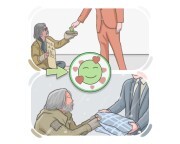
(of an activity) making one feel satisfied by giving one a desirable outcome
odměňující, uspokojivý
Pomáhat druhým v nouzi může být odměňující, protože to podporuje pocit empatie a soucitu.
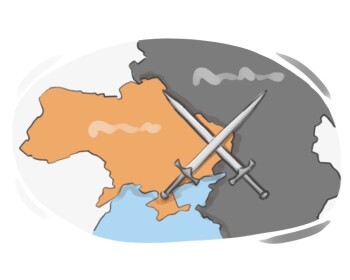
involvement in war, particularly using certain methods or weapons
válka, ozbrojený konflikt
Psychologická válka má za cíl demoralizovat nepřítele, využívá propagandu a dezinformace k oslabení jeho odhodlání.
to continue over a certain period of time
trvat, probíhat
Výuka trvá hodinu každý den.
a secular designation used to represent dates in the Gregorian calendar before the traditional reference point of the birth of Jesus Christ
před naším letopočtem, před společným letopočtem
to make a connection between someone or something and another in the mind
spojovat, asociovat
Červená barva je běžně spojována s vášní a intenzitou v různých kulturách.
to move across or through in a specified direction
překonat, projít
Trasa maratonu byla navržena tak, aby protínala město, ukazovala jeho památky a poskytovala náročný závod pro účastníky.
not limited in use or function
univerzální, všestranný
a method used by scientists to determine the age of organic materials by measuring the amount of carbon-14 they contain
radiokarbonové datování, datování uhlíkem-14
Pokroky v radiokarbonovém datování revolucionizovaly studium pravěkých kultur a environmentální historie.
to show, point out, or suggest the existence, presence, or nature of something
ukazovat, naznačovat
Teploměr ukazuje, že teplota stoupá.
intimidating, challenging, or overwhelming in a way that creates a sense of fear or unease
zastrašující, náročný
Psaní románu může být odstrašující, ale s oddaností a vytrvalostí je dosažitelné.
an area of land, particularly in reference to its physical or natural features
terén, krajina
Zemědělci přizpůsobili své pěstitelské techniky různorodému terénu svých pozemků, využívali terasování na svazích a zavlažovací systémy v nížinách k optimalizaci zemědělské produktivity.
to think that something is true without having proof or evidence
předpokládat, domnívat se
Právě teď někteří členové týmu předpokládají, že termín projektu bude prodloužen.
the height or distance of an object or geographical feature above a specified reference point, typically measured from sea level
nadmořská výška, výšina
Turisté bojovali s výškovou nemocí kvůli rychlému nárůstu nadmořské výšky během jejich túry.

used with a date to refer to things happened or existed after the birth of Christ
našeho letopočtu, po Kristu
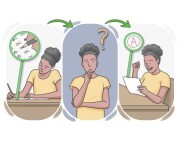
to emerge as a particular outcome
ukázat se, dopadnout
Po měsících jednání se ukázalo, že obě společnosti nedokázaly dosáhnout dohody.
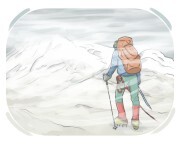
to undertake a risky or daring journey or course of action
odvážit se, riskovat
Odvážili se hluboko do hor, doufajíc, že najdou ukrytý poklad.
in a way that is unusually impressive, effective, or surprising
pozoruhodně, pozoruhodným způsobem
Navzdory výzvám odpověděla pozoruhodně klidně a jasně.
to lead one to believe or consider that something exists or is true
navrhnout, naznačit
Temné mraky a vzdálené hromobití naznačovaly blížící se bouři.
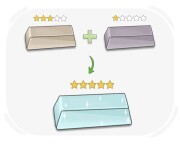
to improve something by adding something to it
doplňovat, obohacovat
Nové předpisy doplní stávající bezpečnostní opatření.
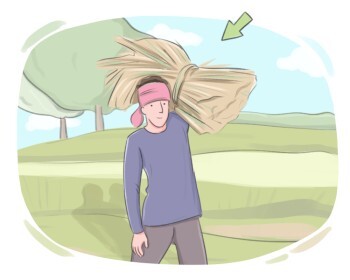
the amount of produce gathered from crops during one growing season
sklizeň, úroda
Sklizeň kukuřice byla ovlivněna neobvyklými dešti.
an unforeseen development
obrat, nečekaný vývoj
to find or get back something that was lost or stolen
obnovit, získat zpět
Po vloupání se jim podařilo získat zpět některé z jejich cenností.
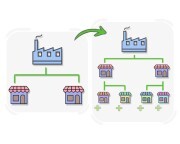
to become something greater in quantity, importance, or size
rozšířit, zvětšit
Operace společnosti se rychle rozšířily, otevíraly nové pobočky v několika městech.
an increase in the amount, size, importance, or degree of something
expanze, rozšíření
Rozšíření společnosti vedlo k novým pracovním příležitostem v regionu.
commodities, goods, or services sold and sent to another country
vývoz, export
Společnosti sledují údaje o vývozu, aby předpověděly příjmy.
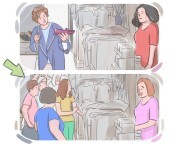
characterized by growth, expansion, or prosperity in an industry, economy, or market
vzkvétající, na vzestupu
Místní kavárna zažívá rozmach od zavedení nového jídelního lístku.

to resist or defend against an attack or threat, whether physical or metaphorical
odrazit, bojovat proti
Turista musel odolat vyčerpání, aby dosáhl vrcholu hory.
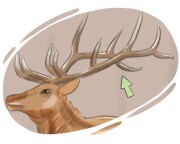
any of the pair of branched horns that grow annually on the head of an adult animal, typically a male one, from the deer family
paroh, jelení paroh
the era in human history from which we have no written record
pravěk, prehistorie
(of a place) isolated and difficult to access
odlehlý, izolovaný
Odlehlý venkov nabízel klid a samotu, daleko od rušného městského života.
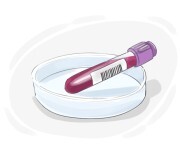
a small amount of a substance taken from a larger amount used for scientific analysis or therapeutic experiment
vzorek, příklad
Vzorek biopsie byl vyšetřen k diagnostice onemocnění.
a pause or break that interrupts something from continuing smoothly
mezera, přestávka
Učitel se omluvil za mezeru ve výuce způsobenou její neočekávanou nepřítomností.
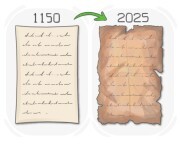
to break or lose structure and unity over time
rozpadat se, rozkládat se
Zanedbávaný vztah se začal rozpadat, když se komunikace rozpadla.
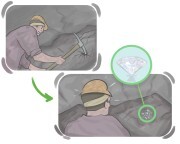
to take something out from something else, particularly when it is not easy to do
extrahovat, odstranit
Zubař musel vytrhnout poškozený zub, aby ulevil pacientově bolesti.
to move back or withdraw to a safer or more comfortable place, especially to avoid something unpleasant
ustoupit, stáhnout se
Viděl vlny stoupat a ustoupil dále na břeh.
a journey carefully organized for a specific purpose, such as exploration or research
výprava, mise
Financování bylo zajištěno pro geologickou expedici.
an example of a certain kind of situation
případ, příklad
V tomto případě musíme dodržovat nouzové postupy společnosti.
in the first place
především, v první řadě
Hlavně, namítala proti plánu, protože porušoval firemní politiku.
a long, unbroken area of land or water that goes far in one direction
rozsah, úsek
Šli jsme podél širokých úseků pláže.
