
Das Buch Interchange - Mittelstufe - Einheit 6 - Teil 1

Hier finden Sie den Wortschatz aus Einheit 6 - Teil 1 im Interchange Intermediate Lehrbuch, wie "Beschwerde", "streiten", "Lebensmittel", usw.

review-disable

Überprüfen

flashcard-disable

Lernkarten

spelling-disable

Rechtschreibung

quiz-disable

Quiz

Lernen beginnen
Das Buch Interchange - Mittelstufe
sure [Adjektiv]

(of a person) feeling confident about something being correct or true

اجرا کردن

sicher

Ex: Being sure of his memory , he recited the poem flawlessly in front of the audience .

Sicher seines Gedächtnisses, rezitierte er das Gedicht fehlerlos vor dem Publikum.

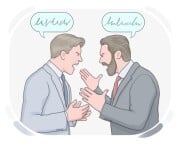
complaint [Nomen]

a statement that conveys one's dissatisfaction

اجرا کردن

Beschwerde

Ex: After receiving the wrong order at the restaurant , she decided to file a complaint with the manager to express her dissatisfaction .

Nachdem sie im Restaurant die falsche Bestellung erhalten hatte, beschloss sie, eine Beschwerde beim Manager einzureichen, um ihre Unzufriedenheit auszudrücken.

to argue [Verb]

to speak to someone often angrily because one disagrees with them

اجرا کردن

argumentieren

Ex: He argues with everyone at work; it's so annoying!

Er streitet mit allen bei der Arbeit; das ist so nervig!

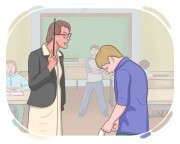
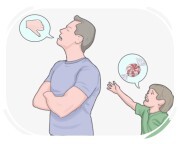
to point out the faults or weaknesses of someone or something

اجرا کردن

kritisieren

Ex: The teacher criticized the student 's essay for its lack of organization and clarity .

Der Lehrer kritisierte den Aufsatz des Schülers wegen mangelnder Organisation und Klarheit.

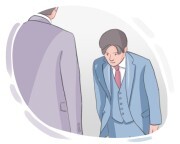
to admire someone because of their achievements, qualities, etc.

اجرا کردن

respektieren

Ex: I respect my grandfather for his wisdom and life experiences .

Ich respektiere meinen Großvater für seine Weisheit und Lebenserfahrung.

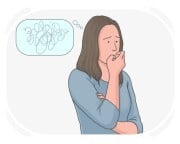
nervous [Adjektiv]

worried and anxious about something or slightly afraid of it

اجرا کردن

nervös

Ex: She was nervous about traveling alone for the first time , feeling uneasy about navigating unfamiliar places .

to do something that makes someone extremely upset, annoyed, or angry

اجرا کردن

to do something that makes someone extremely upset, annoyed, or angry

Ex: The constant noise from the construction work next door is driving me crazy .

to decline an invitation, request, or offer

اجرا کردن

ablehnen

Ex: She turned the job offer down due to conflicting commitments.

Sie hat das Jobangebot aufgrund von widersprüchlichen Verpflichtungen abgelehnt.

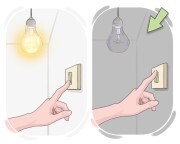
to cause a machine, device, or system to stop working or flowing, usually by pressing a button or turning a switch

اجرا کردن

abschalten

Ex: Don't forget to turn off the TV when you're finished watching it.

Vergiss nicht, den Fernseher auszuschalten, wenn du fertig bist.

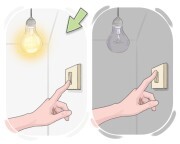
to cause a machine, device, or system to start working or flowing, usually by pressing a button or turning a switch

اجرا کردن

anschalten

Ex: Before using the printer, make sure to turn it on and check for paper.

Bevor Sie den Drucker verwenden, stellen Sie sicher, dass Sie ihn eingeschaltet haben und Papier überprüfen.

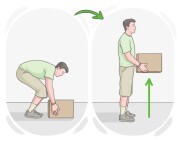
to take and lift something or someone up

اجرا کردن

aufheben

Ex: He picked the suitcase up and walked to the taxi stand.

Er hob den Koffer auf und ging zum Taxistand.

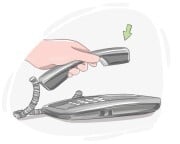
to end a phone call by breaking the connection

اجرا کردن

auflegen

Ex: If the call quality is poor , it 's better to hang up and try again for a clearer connection .

Wenn die Anrufqualität schlecht ist, ist es besser, aufzulegen und für eine klarere Verbindung erneut zu versuchen.

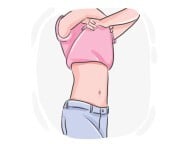
to remove a piece of clothing or accessory from your or another's body

اجرا کردن

(sich) ausziehen

Ex: After a long day at work , I like to take off my high heels .

Nach einem langen Arbeitstag ziehe ich es gerne an, meine High Heels auszuziehen.

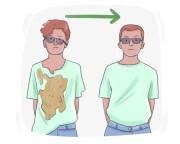
to make oneself neat or clean

اجرا کردن

aufräumen

Ex: The custodian worked diligently to clean up the spilled coffee in the office breakroom .

Der Hausmeister arbeitete fleißig daran, den verschütteten Kaffee im Pausenraum des Büros aufzuräumen.

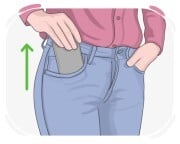
to remove a thing from somewhere or something

اجرا کردن

herausnehmen

Ex: I will take the books out of the box.

Ich werde die Bücher aus dem Karton nehmen.

to eliminate someone from a possibility or obligation

اجرا کردن

ausschließen

Ex: The detective informed the witness that their alibi had been verified, letting them out as a suspect in the crime.

Der Detektiv informierte den Zeugen, dass ihr Alibi überprüft worden war, und schloss sie damit als Verdächtige im Verbrechen aus.

to discard something, especially something that is no longer useful or necessary

اجرا کردن

wegwerfen

Ex: The milk had gone bad, so I had to put it away.

Die Milch war schlecht geworden, also musste ich sie wegwerfen.

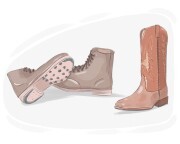
boot [Nomen]

a type of strong shoe that covers the foot and ankle and often the lower part of the leg

اجرا کردن

Stiefel

Ex: I love the sound of my boots clicking on the wooden floor .

Ich liebe das Geräusch meiner Stiefel, die auf dem Holzfußboden klackern.

sock [Nomen]

a soft item of clothing we wear on our feet

اجرا کردن

Socke

Ex: He wore thick woolen socks to keep his feet cozy in the snow .

Er trug dicke Wollsocken, um seine Füße im Schnee warm zu halten.

light [Nomen]

an object or device that produces brightness, often an electronic item like a lamp

اجرا کردن

Licht

Ex: Can you switch on the light ?

Kannst du das Licht anmachen?

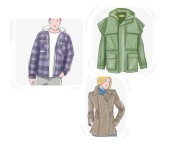
jacket [Nomen]

a short item of clothing that we wear on the top part of our body, usually has sleeves and something in the front so we could close it

اجرا کردن

Jacke

Ex: He put on his leather jacket before heading out on his motorcycle.

Er zog seine Lederjacke an, bevor er mit seinem Motorrad losfuhr.

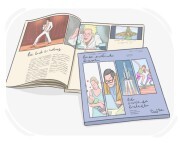
magazine [Nomen]

a colorful thin book that has news, pictures, and stories about different things like fashion, sports, and animals, usually issued weekly or monthly

اجرا کردن

Zeitschrift

Ex: I often read parenting magazines to get advice on raising my children .

Ich lese oft Zeitschriften über Elternschaft, um Ratschläge zur Erziehung meiner Kinder zu erhalten.

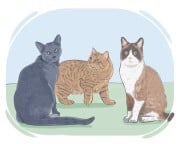
cat [Nomen]

a small animal that has soft fur, a tail, and four legs and we often keep it as a pet

اجرا کردن

Katze

Ex: I heard a cat meowing outside my window .

Ich habe eine Katze draußen vor meinem Fenster miauen gehört.

music [Nomen]

a series of sounds made by instruments or voices, arranged in a way that is pleasant to listen to

اجرا کردن

Musik

Ex: He plays the piano and enjoys composing beautiful music .

Er spielt Klavier und genießt es, schöne Musik zu komponieren.

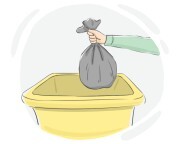
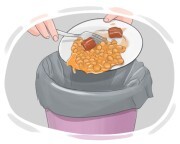
trash [Nomen]

worthless, unwanted, and unneeded things that people throw away

اجرا کردن

Müll

Ex: She took out the trash after cleaning the kitchen .

Sie brachte den Müll hinaus, nachdem sie die Küche geputzt hatte.

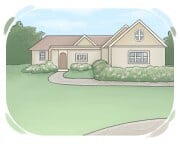
yard [Nomen]

the land joined to our house where we can grow grass, flowers, and other plants

اجرا کردن

Hof

Ex: I saw a squirrel running across the yard .

Ich sah ein Eichhörnchen über den Garten laufen.

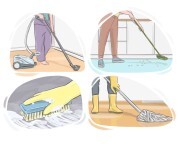
housework [Nomen]

regular work done in a house, especially cleaning, washing, etc.

اجرا کردن

Hausarbeit

Ex: She spent the afternoon doing housework , including dusting , vacuuming , and doing laundry .

Sie verbrachte den Nachmittag mit Hausarbeit, einschließlich Staubwischen, Staubsaugen und Wäschewaschen.

garbage [Nomen]

things such as household materials that have no use anymore

اجرا کردن

Müll

Ex: He threw the garbage into the bin after dinner .

Er warf den Müll nach dem Abendessen in den Mülleimer.

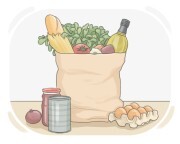
grocery [Nomen]

(typically plural) food and other items, typically household goods, that we buy at a supermarket such as eggs, flour, etc.

اجرا کردن

Lebensmitteln

Ex: She made a list of groceries to buy for the weekend .

Sie hat eine Liste mit Lebensmitteln gemacht, die sie am Wochenende kaufen will.

mess [Nomen]

a state of disorder, untidiness, or confusion

اجرا کردن

Unordnung

Ex: After the party , the living room was a complete mess .

Nach der Party war das Wohnzimmer ein komplettes Durcheinander.

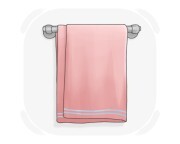
towel [Nomen]

a piece of cloth or paper that you use for drying your body or things such as dishes

اجرا کردن

Handtuch

Ex: He used a towel to dry his hair after swimming .

Er benutzte ein Handtuch, um sich nach dem Schwimmen die Haare zu trocknen.

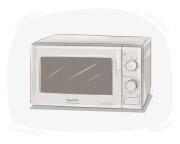
microwave [Nomen]

a kitchen appliance that uses electricity to quickly heat or cook food

اجرا کردن

Mikrowelle

Ex: She quickly heated up leftovers in the microwave for a quick lunch before heading back to work .

Sie erwärmte schnell Reste in der Mikrowelle für ein schnelles Mittagessen, bevor sie zurück zur Arbeit ging.

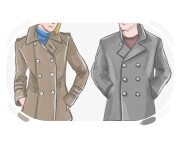
coat [Nomen]

a piece of clothing with long sleeves, worn outdoors and over other clothes to keep warm or dry

اجرا کردن

Mantel

Ex: He buttoned up his coat to keep out the chilly wind .

Er knöpfte seinen Mantel zu, um den kalten Wind abzuhalten.

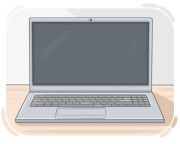
laptop [Nomen]

a small computer that you can take with you wherever you go, and it sits on your lap or a table so you can use it

اجرا کردن

Laptop

Ex: He bought a new laptop with better processing speed .

Er kaufte einen neuen Laptop mit besserer Verarbeitungsgeschwindigkeit.

chore [Nomen]

a task, especially a household one, that is done regularly

اجرا کردن

Hausarbeit

Ex: Taking out the trash is one of the daily chores he is responsible for .

Den Müll rauszubringen ist eine der täglichen Hausarbeiten, für die er verantwortlich ist.

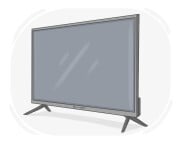
television [Nomen]

an electronic device with a screen that receives television signals, on which we can watch programs

اجرا کردن

Fernseher

Ex: She watched her favorite show on the TV last night.

Sie hat gestern Abend ihre Lieblingssendung im Fernsehen gesehen.