
Inglés de Cambridge: FCE (B2 First) - Pensamiento, Comprensión y Procesamiento de la Información
Aprende vocabulario del FCE para pensar, comprender y procesar información, incluyendo memoria, razonamiento, interpretación, conciencia, aprendizaje y comprensión.
Repasar
Tarjetas de memoria
Ortografía
Cuestionario
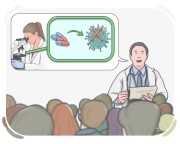
to show that something is true through the use of evidence or facts

probar
El análisis forense demostró la inocencia del sospechoso.

to reach a conclusion about a particular matter after considering various options or factors
to think about, consider, or examine something, especially from a particular perspective
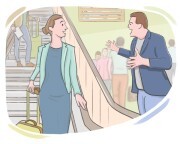
to find something or encounter someone unexpectedly, without having deliberately looked for them
encontrar
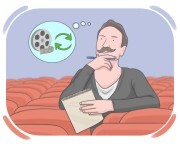
to thoroughly review, examine, or check something
revisar o examinar algo a fondo, repasar algo punto por punto
Es importante repasar los términos y condiciones antes de firmar el contrato.
easily understood or readable with comprehension
accesible,comprensible
La conferencia del profesor fue muy accesible, desglosando conceptos complejos en ideas fáciles de entender.
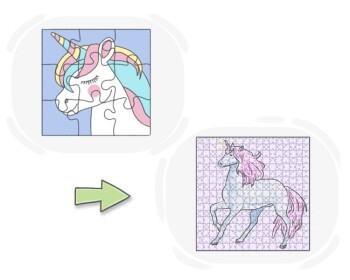
not easy to understand or analyze
difícil
El significado de la obra de arte era complejo, abierto a interpretación y lleno de simbolismo.
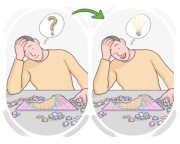
to get information about something after actively trying to do so
averiguar, obtener información investigando
Vamos a averiguar los resultados de la prueba después de que sea calificada.
the ability to correctly utilize thought and reason, learn from experience, or to successfully adapt to the environment
inteligencia
Su inteligencia le permitió sobresalir tanto en ciencia como en arte.
having a significant purpose or importance
significativo, válido, útil
La pareja intercambió miradas significativas durante la ceremonia de bodas.
lack confidence in or have doubts about
dudar,tener dudas
Él duda de su amigo después de una mala experiencia.
to believe or accept something as true or certain, often with confidence or trust
creer,suponer
Ellos contaban con tener suficiente comida para todo el evento.
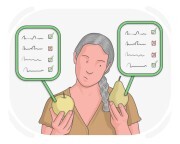
the process of examining the similarities and differences between two or more things or people
comparación
En su ensayo, hizo una comparación entre el arte clásico y el arte moderno, enfatizando su enfoque compartido en la expresión humana.
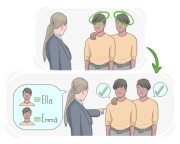
to recognize or understand the differences between people, things, or concepts
distinguir

to consider all the known facts and details before making a final decision
tener algo en cuenta
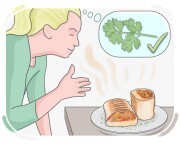
to distinguish the differences between things or people
distinguir,diferenciar
Etiquetemos las cajas para poder distinguirlas más tarde.
to hold a particular opinion or attitude or have a feeling that something might be the case without a justifiable reason
creer, considerar
Ella siente que la educación es la clave del éxito.
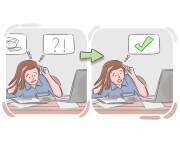
to understand something, often with effort
entender con dificultad, descifrar
¿Puedes ayudarme a entender qué lo impulsa a comportarse de esta manera?
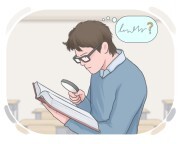
to try to find information in a dictionary, computer, etc.
buscar, consultar
Cuando necesito una receta, siempre la busco en línea.
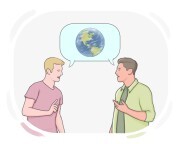
a situation or subject that needs to be dealt with or considered
problema
Elegir una especialización universitaria es un asunto importante que requiere una consideración cuidadosa.
an important or distinctive aspect of something
característica
Esta actualización de software incluye una nueva característica de seguridad diseñada para proteger los datos del usuario.
an example of a certain kind of situation
caso
Este es un caso raro de una enfermedad que generalmente afecta a los niños.
an abstract component or essential part of something
elemento
El plan fracasó porque faltaba un elemento crucial.
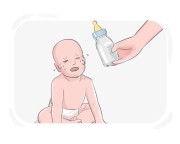
a condition or situation in which something is necessary
necesidad
Mi principal necesidad en este momento es una buena noche de sueño.
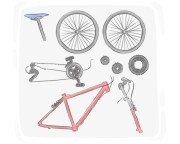
to be formed from particular parts or things
consistir en
La novela consiste en tres tramas principales que se entrelazan a lo largo de la narrativa.
the manner in which something is presented, expressed, or structured
forma,formato
La escultura fue creada en forma abstracta, con el artista explorando la interacción de la forma y el espacio.
