pattern

Cambridge English: FCE (B2 First) - Thinking, Understanding & Information Processing

Learn FCE vocabulary for thinking, understanding, and information processing, including memory, reasoning, interpretation, awareness, learning, and comprehension.

Review

Flashcards

Spelling

Quiz
Start learning
Cambridge English: FCE (B2 First)
to prove
to prove
[Verb]

to show that something is true through the use of evidence or facts

Ex: He often proves his point through well-researched arguments. 
Close
Sign in
to [come] to a decision

to reach a conclusion about a particular matter after considering various options or factors

Ex: After much deliberation, they finally came to a decision on the location for the company's new office. 
Close
Sign in
to look at

to think about, consider, or examine something, especially from a particular perspective

Ex: Sarah tried to look at the problem from a different perspective. 
Close
Sign in
to come across

to find something or encounter someone unexpectedly, without having deliberately looked for them

Ex: I came across an interesting article while browsing the internet. 
Close
Sign in
to go over

to thoroughly review, examine, or check something

Ex: Please go over your essay for any grammatical errors before submitting it. 
Close
Sign in
accessible
accessible
[Adjective]

easily understood or readable with comprehension
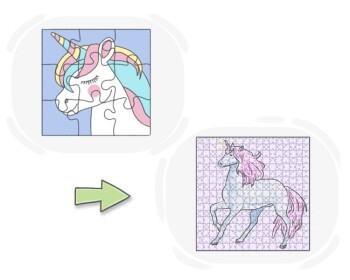
Ex: The textbook was written in an accessible language that students found easy to understand. 
Close
Sign in
complex
complex
[Adjective]

not easy to understand or analyze

Ex: The human brain is incredibly complex, with its functions still not fully understood. 
Close
Sign in
to find out

to get information about something after actively trying to do so

Ex: They are trying to find out who won the award last night. 
Close
Sign in
intelligence

the ability to correctly utilize thought and reason, learn from experience, or to successfully adapt to the environment

Ex: Intelligence plays a key role in solving complex problems. 
Close
Sign in
meaningful
meaningful
[Adjective]

having a significant purpose or importance

Ex: She gave her grandmother a meaningful gift that brought tears to her eyes. 
Close
Sign in
to doubt
to doubt
[Verb]

lack confidence in or have doubts about

Ex: It's hard not to doubt someone who has lied before. 
Close
Sign in
to reckon
to reckon
[Verb]

to believe or accept something as true or certain, often with confidence or trust
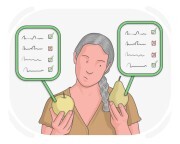
Ex: She reckoned on winning the competition after practicing for months. 
Close
Sign in
comparison

the process of examining the similarities and differences between two or more things or people
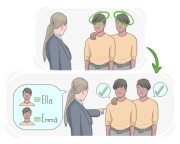
Ex: The comparison between the two books showed many similarities. 
Close
Sign in
to distinguish

to recognize or understand the differences between people, things, or concepts

Ex: Young children sometimes struggle to distinguish between dreams and reality. 
Close
Sign in
to [take] account of {sth}

to consider all the known facts and details before making a final decision
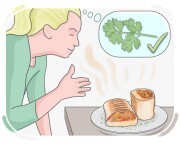
Ex: The design takes account of environmental concerns. 
Close
Sign in
to tell apart

to distinguish the differences between things or people

Ex: I can easily tell the twins apart by their distinct hairstyles. 
Close
Sign in
to feel
to feel
[Verb]

to hold a particular opinion or attitude or have a feeling that something might be the case without a justifiable reason
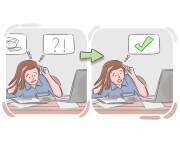
Ex: How do you feel about the current state of the economy? 
Close
Sign in
to make out

to understand something, often with effort

Ex: How did you make out the answer to that riddle? 
Close
Sign in
to look up

to try to find information in a dictionary, computer, etc.

Ex: I couldn't remember her phone number, so I looked it up. 
Close
Sign in
matter
matter
[noun]

a situation or subject that needs to be dealt with or considered

Ex: Climate change is a pressing matter that requires immediate attention from global leaders. 
Close
Sign in
feature
feature
[noun]

an important or distinctive aspect of something

Ex: The new smartphone boasts a high-resolution screen as its standout feature. 
Close
Sign in
case
case
[noun]

an example of a certain kind of situation

Ex: In this case, we need to follow the company's emergency procedures. 
Close
Sign in
element
element
[noun]

an abstract component or essential part of something

Ex: Trust is a key element of any strong relationship. 
Close
Sign in
need
need
[noun]

a condition or situation in which something is necessary

Ex: He feels a deep need to be successful. 
Close
Sign in
to consist of

to be formed from particular parts or things

Ex: The salad consists of fresh greens, tomatoes, and a zesty vinaigrette. 
Close
Sign in
form
form
[noun]

the manner in which something is presented, expressed, or structured

Ex: The data was presented in graphical form, with charts and diagrams used to illustrate the findings. 
Close
Sign in
LanGeek
Download LanGeek app