pattern

Vocabulario para IELTS (Académico) - Palabras Problemáticas

Aquí aprenderás algunas palabras en inglés sobre palabras problemáticas, como "advise", "advice", etc, que se necesitan para el examen IELTS.

Revisión

Tarjetas de memoria

formas

Ortografía

Cuestionario

Empezar a aprender
Words for Academic IELTS
to affect
to affect
[Verbo]

to cause a change in a person, thing, etc.

afectar

afectar

Ex: The economic downturn is expected to affect businesses across various sectors. 

Se espera que la desaceleración económica afecte a las empresas de diversos sectores.

effect
effect
[Sustantivo]

a change in a person or thing caused by another person or thing

efecto

efecto

Ex: His speech had a strong effect on the audience. 

Su discurso tuvo un efecto fuerte en la audiencia.

advice
advice
[Sustantivo]

a suggestion or an opinion that is given with regard to making the best decision in a specific situation

consejo

consejo

Ex: His advice on investing wisely proved invaluable during the economic downturn. 

Su consejo sobre invertir sabiamente resultó invaluable durante la recesión económica.
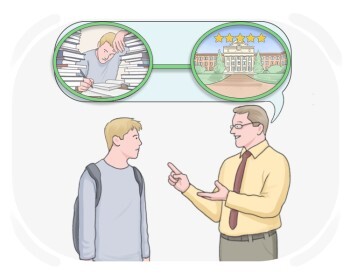
to advise
to advise
[Verbo]

to provide someone with suggestion or guidance regarding a specific situation

aconsejar, sugerir

aconsejar, sugerir

Ex: I would advise against making any hasty decisions without considering all the consequences. 

Yo aconsejaría no tomar decisiones apresuradas sin considerar todas las consecuencias.

beside
beside
[Preposición]

next to and at the side of something or someone

al lado de

al lado de

Ex: The bookshelf stood beside the desk in the study. 

La estantería estaba al lado del escritorio en el estudio.

besides
besides
[Adverbio]

used to add extra information or to introduce a reason that supports what was just said

además

además

Ex: We shouldn't worry about it. Besides, it's out of our control. 

No deberíamos preocuparnos por eso. Además, está fuera de nuestro control.

canal
canal
[Sustantivo]

a long and artificial passage built and filled with water for ships to travel along or used to transfer water to other places

canal

canal

Ex: The canal was used to irrigate the surrounding farmland. 

El canal se utilizaba para regar las tierras de cultivo circundantes.

channel
channel
[Sustantivo]

a TV station that broadcasts different programs

canal

canal

Ex: Cable providers offer a wide selection of channels, catering to diverse interests and demographics. 

Los proveedores de cable ofrecen una amplia selección de canales, atendiendo a diversos intereses y demografías.

capital
capital
[Sustantivo]

the city or town that is considered to be the political center of a country or state, from which the government operates

capital

capital

Ex: London is the capital of the United Kingdom. 

Londres es la capital del Reino Unido.

capitol
capitol
[Sustantivo]

a statehouse where the government officials meet to make laws

capitolio

capitolio

however
however
[Adverbio]

used to add a statement that contradicts what was just mentioned

sin embargo

sin embargo

Ex: The team worked hard; however, they didn't achieve the expected results. 

El equipo trabajó duro; sin embargo, no lograron los resultados esperados.

moreover
moreover
[Adverbio]

used to introduce additional information or to emphasize a point

además

además

Ex: The product offers advanced features at an affordable price, and moreover, it comes with a warranty that ensures customer satisfaction. 

El producto ofrece características avanzadas a un precio asequible, y además, viene con una garantía que asegura la satisfacción del cliente.

to incite
to incite
[Verbo]

to encourage someone to commit a crime or act violently

incitar

incitar

Ex: The crowd’s anger was incited by provocative statements from the speaker. 

La ira de la multitud fue incitada por declaraciones provocativas del orador.

insight
insight
[Sustantivo]

a penetrating and profound understanding that goes beyond surface-level observations or knowledge

perspicacia

perspicacia

Ex: Reflecting on past experiences provided valuable insight into behavior and motivations. 

Reflexionar sobre experiencias pasadas proporcionó un entendimiento valioso sobre el comportamiento y las motivaciones.

ingenious
ingenious
[Adjetivo]

having or showing cleverness, creativity, or skill

ingenioso

ingenioso

Ex: As an ingenious mechanic, he could fix any broken machine with just a few tools and some creative thinking. 

Como un mecánico ingenioso, podía arreglar cualquier máquina rota con solo algunas herramientas y un poco de pensamiento creativo.

ingenuous
ingenuous
[Adjetivo]

showing simplicity, honesty, or innocence and willing to trust others due to a lack of life experience

ingenuo

ingenuo

Ex: He was taken advantage of due to his ingenuous nature. 

Se aprovecharon de él debido a su naturaleza ingenuo.

to lay
to lay
[Verbo]

to carefully place something or someone down in a horizontal position

poner, extender

poner, extender

Ex: To avoid wrinkles, he carefully laid the freshly ironed shirt on the bed. 

Para evitar arrugas, colocó cuidadosamente la camisa recién planchada en la cama.

to lie
to lie
[Verbo]

to intentionally say or write something that is not true

mentir

mentir

Ex: Yesterday, she lied to her parents about where she was going. 

Ayer, ella mintió a sus padres sobre dónde iba.

loose
loose
[Adjetivo]

(of clothes) not tight or fitting closely, often allowing freedom of movement

suelto, flojo

suelto, flojo

Ex: His watch strap was too loose, so it kept sliding down his wrist. 

La correa de su reloj estaba demasiado suelta, por lo que seguía deslizándose por su muñeca.

to lose
to lose
[Verbo]

to not win in a race, fight, game, etc.

perder, fracasar

perder, fracasar

Ex: Our team lost to the undefeated champions. 

Nuestro equipo perdió contra los campeones invictos.

maize
maize
[Sustantivo]

a tall plant growing in Central America that produces yellow seeds, which are used in cooking

maíz

maíz

Ex: As the summer sun set, a family gathered in the backyard, grilling maize skewers alongside juicy grilled meats. 

Mientras el sol de verano se ponía, una familia se reunía en el patio trasero, asando brochetas de maíz junto a carnes asadas jugosas.

maze
maze
[Sustantivo]

a confusing network of paths separated by bushes or walls, designed in a way that confuses the people who pass through

laberinto

laberinto

Ex: The maze in the garden was filled with twists and turns, making it hard to navigate. 

El laberinto en el jardín estaba lleno de giros y vueltas, lo que hacía difícil navegarlo.

objective
objective
[Adjetivo]

having an existence that is independent of personal perception or interpretation

objective

objective

Ex: Objective knowledge is not influenced by personal beliefs. 

El conocimiento objetivo no está influenciado por creencias personales.

subjective
subjective
[Adjetivo]

existing within one's mind and dependent on one's perspective rather than reality

subjetivo

subjetivo

Ex: Dreams provide a subjective experience unique to each person. 

Los sueños proporcionan una experiencia subjetiva única para cada persona.
personal
personal
[Adjetivo]

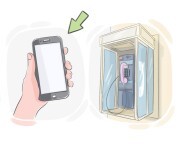
only relating or belonging to one person

personal

personal

Ex: The counselor offered personal advice tailored to each student's needs. 

El consejero ofreció consejos personales adaptados a las necesidades de cada estudiante.

personnel
personnel
[Sustantivo]

individuals employed in an organization, especially in military or structured environments, who are expected to follow directives

personal

personal

Ex: The facility requires trained personnel to operate its machinery safely. 

La instalación requiere personal capacitado para operar su maquinaria de manera segura.

principal
principal
[Sustantivo]

the person in charge of running a school

director

director

Ex: The principal announced new school policies during the morning assembly. 

El director anunció nuevas políticas escolares durante la asamblea matutina.

principle
principle
[Sustantivo]

a fundamental rule that is considered to be true and can serve as a basis for further reasoning or behavior

principio

principio

Ex: The principle of cause and effect was central to understanding how changes in one area can impact another. 

El principio de causa y efecto era central para entender cómo los cambios en un área pueden afectar a otra.

priceless
priceless
[Adjetivo]

having great value or importance

inestimable, valioso, importante

inestimable, valioso, importante

Ex: The support of true friends is a priceless gift in difficult times. 

El apoyo de los verdaderos amigos es un regalo invaluable en tiempos difíciles.

worthless
worthless
[Adjetivo]

having no meaningful value, impact, or utility

sin ningún valor, inútil

sin ningún valor, inútil

Ex: His promises proved to be worthless as he failed to deliver on his commitments. 

Sus promesas resultaron sin valor ya que no cumplió con sus compromisos.
to raise
to raise
[Verbo]

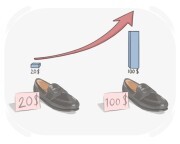
to make the intensity, level, or amount of something increase

aumentar

aumentar

Ex: The teacher raised the difficulty of the test unexpectedly. 

El profesor aumentó la dificultad del examen inesperadamente.

to rise
to rise
[Verbo]

to move from a lower to a higher position

subir

subir

Ex: If you had followed the instructions, the cake would have risen perfectly. 

Si hubieras seguido las instrucciones, el pastel se habría elevado perfectamente.

vial
vial
[Sustantivo]

a small glass container especially one that is used for holding liquids such as medicine or perfume

vial

vial

vile
vile
[Adjetivo]

extremely disgusting or unpleasant

pésimo

pésimo

Ex: The vile taste of the medicine made it difficult to swallow. 

El sabor vil del medicamento hizo difícil tragarlo.

LanGeek
Descargar la aplicación LanGeek