pattern

Lista de Palabras Nivel A2 - Animales

Aquí aprenderás algunas palabras en inglés sobre diferentes animales, como "pet", "wild", "insect", etc. preparadas para estudiantes de A2.

Revisión

Tarjetas de memoria

Ortografía

Cuestionario

Empezar a aprender
CEFR A2 Vocabulary
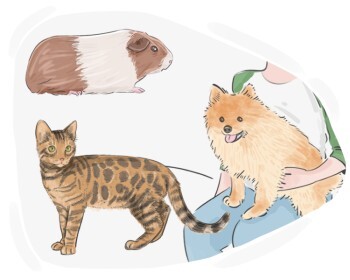
pet
pet
[Sustantivo]

an animal such as a dog or cat that we keep and care for at home

mascota

mascota

Ex: John wants to adopt a pet from the animal shelter. 

John quiere adoptar una mascota del refugio de animales.

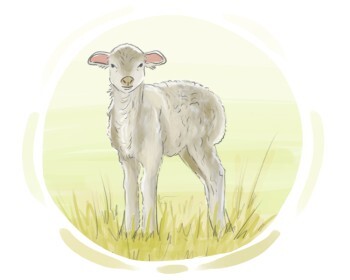
lamb
lamb
[Sustantivo]

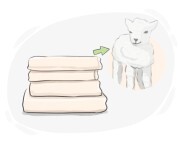
a young sheep, especially one that is under one year

cordero
cordero

Ex: Sarah likes to watch the playful lambs in the springtime. 

A Sarah le gusta ver los corderos juguetones en primavera.

camel
camel
[Sustantivo]

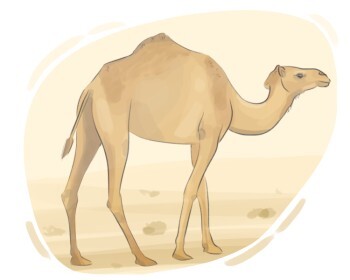
a large desert animal with a long neck and one or two humps on its back

camello
camello

Ex: John read about camels' ability to go long periods without water. 

John leyó sobre la capacidad de los camellos para pasar largos períodos sin agua.

tiger
tiger
[Sustantivo]

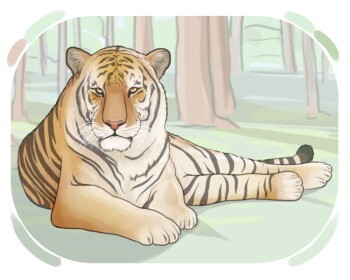
a type of large and wild animal that is from the cat family, has orange fur and black stripes, and is mostly found in Asia

tigre
tigre

Ex: The tiger is a majestic and powerful wild animal. 

El tigre es un animal salvaje majestuoso y poderoso.

whale
whale
[Sustantivo]

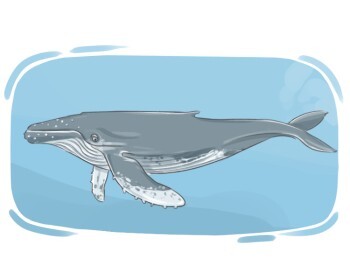
a very large animal that lives in the sea, with horizontal tail fin and a blowhole on top of its head for breathing

ballena

ballena

Ex: Sarah read a book about different species of whales. 

Sarah leyó un libro sobre diferentes especies de ballenas.

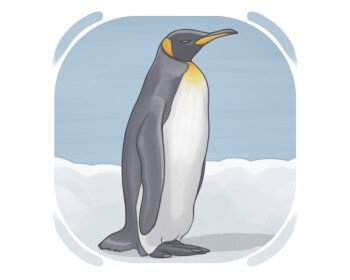
penguin
penguin
[Sustantivo]

a large black-and-white seabird that lives in the Antarctic, and can not fly but uses its wings for swimming

pingüino

pingüino

Ex: Sarah watched a documentary about penguins in Antarctica. 

Sarah vio un documental sobre los pingüinos en la Antártida.
shark
shark
[Sustantivo]

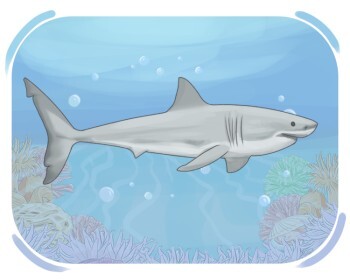
‌a large sea fish with a pointed fin on its back and very sharp teeth

tiburón

tiburón

Ex: Mark watched a documentary about different species of sharks. 

Mark vio un documental sobre diferentes especies de tiburones.
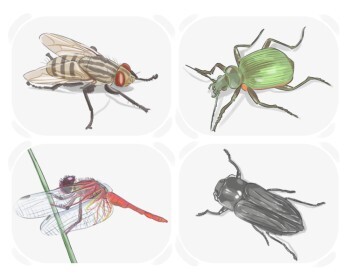
insect
insect
[Sustantivo]

a small creature such as a bee or ant that has six legs, and generally one or two pairs of wings

insecto, bicho

insecto, bicho

Ex: Mark used a magnifying glass to examine the intricate details of the insect. 

Mark usó una lupa para examinar los intrincados detalles del insecto.

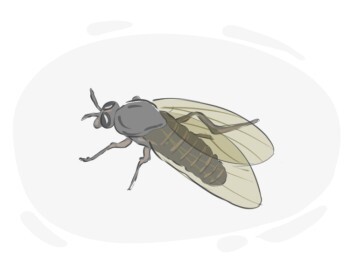
fly
fly
[Sustantivo]

a small flying insect that has two wings

mosca
mosca

Ex: John observed a colorful fly resting on a flower. 

John observó una mosca colorada descansando en una flor.

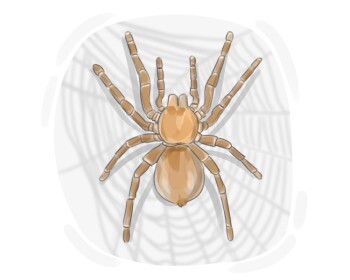
spider
spider
[Sustantivo]

a small creature that spins webs to catch insects for food, with eight legs and two fangs by which poison is injected to its prey

araña

araña

Ex: Sarah read a book about different types of spiders found around the world. 

Sarah leyó un libro sobre los diferentes tipos de arañas que se encuentran en todo el mundo.
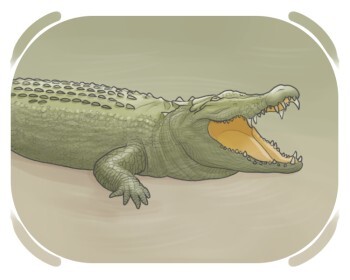
crocodile
crocodile
[Sustantivo]

a large reptile with very big jaws, sharp teeth, short legs, and a hard skin and long tail that lives in rivers and lakes in warmer regions

cocodrilo

cocodrilo

Ex: Mark saw a crocodile basking in the sun near the riverbank. 

Mark vio un cocodrilo tomando el sol cerca de la orilla del río.

dolphin
dolphin
[Sustantivo]

an intelligent sea mammal that looks like a whale and has a long snout and teeth

delfín

delfín

Ex: Sarah's dream is to swim with dolphins in their natural habitat. 

El sueño de Sarah es nadar con los delfines en su hábitat natural.

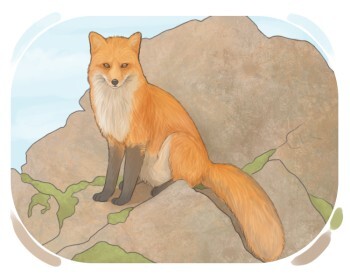
fox
fox
[Sustantivo]

a small to medium-sized carnivorous mammal with a pointed muzzle and bushy tail, often have reddish-brown fur and are known for being clever and adaptable

zorro
zorro

Ex: Sarah learned that foxes are clever and resourceful animals. 

Sarah aprendió que los zorros son animales inteligentes y ingeniosos.

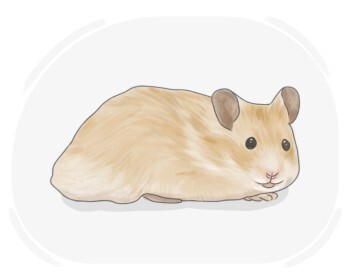
hamster
hamster
[Sustantivo]

a small animal of the rodent family, similar to a mouse, with a short tail and large cheeks for storing food

hámster
hámster

Ex: My little son learned that hamsters are nocturnal animals. 

Mi hijo pequeño aprendió que los hámsteres son animales nocturnos.

tail
tail
[Sustantivo]

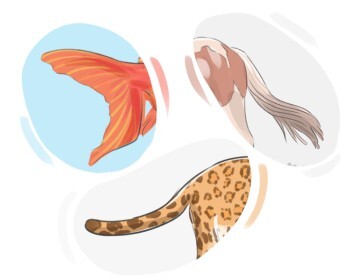
the part of the body of an animal, a bird or a fish that sticks out at the back, which can move

cola
cola

Ex: The kangaroo uses its tail for balance while hopping. 

El canguro usa su cola para mantener el equilibrio mientras salta.

wool
wool
[Sustantivo]

the soft and thick hair that grows on the body of sheep and goats

lana

lana

Ex: Sarah's favorite winter coat was made of high-quality wool. 

El abrigo de invierno favorito de Sarah estaba hecho de lana de alta calidad.

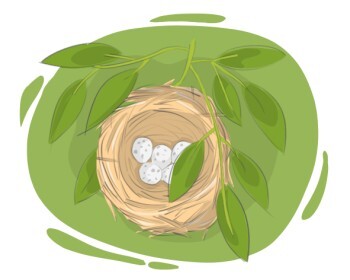
egg
egg
[Sustantivo]

an oval or rounded object laid by birds, reptiles, fish, or certain invertebrates as part of their reproductive process

huevo
huevo

Ex: The chicken laid a fresh egg in the nesting box. 

La gallina puso un huevo fresco en la caja de anidación.

web
web
[Sustantivo]

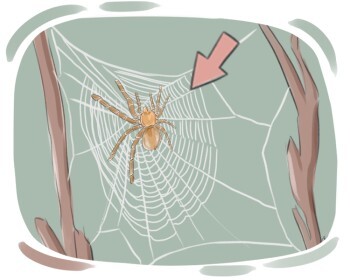
a net of thin threads made by a spider to catch insects for food

telaraña

telaraña

Ex: I accidentally walked through a spider's web while hiking in the forest. 

Accidentalmente caminé a través de una telaraña mientras hacía senderismo en el bosque.
zoo
zoo
[Sustantivo]

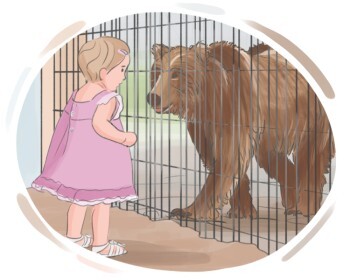
a place where many kinds of animals are kept for exhibition, breeding, and protection

zoo

zoo

Ex: I love going to the zoo because I can see lions, tigers, and bears up close. 

Me encanta ir al zoológico porque puedo ver leones, tigres y osos de cerca.
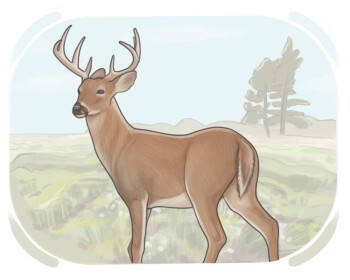
deer
deer
[Sustantivo]

a large, wild animal with long legs which eats grass and can run very fast, typically the males have horns

ciervo
ciervo

Ex: The deer cautiously approached the watering hole to quench its thirst. 

El ciervo se acercó con cautela al abrevadero para saciar su sed.

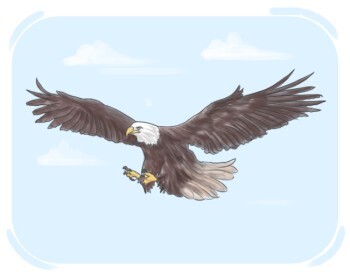
eagle
eagle
[Sustantivo]

a large bird of prey with a sharp beak, long broad wings, and very good sight

águila

águila

Ex: The eagle's keen eyesight allows it to spot prey from great distances. 

La aguda vista del águila le permite detectar presas desde grandes distancias.

beetle
beetle
[Sustantivo]

a large, typically black insect, which has a hard case on its back that covers its wings

escarabajo

escarabajo

Ex: The beetle played a crucial role in the ecosystem by decomposing organic matter. 

El escarabajo desempeñó un papel crucial en el ecosistema al descomponer la materia orgánica.
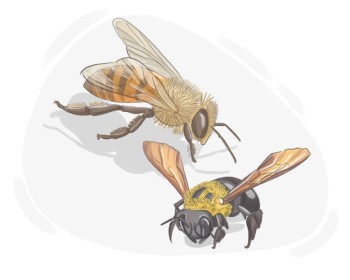
bee
bee
[Sustantivo]

a black and yellow insect that collects nectar and produces wax and honey, which can fly and sting

abeja

abeja

Ex: The bee's black and yellow stripes serve as a warning to potential predators. 

Las rayas negras y amarillas de la abeja sirven como advertencia para los depredadores potenciales.

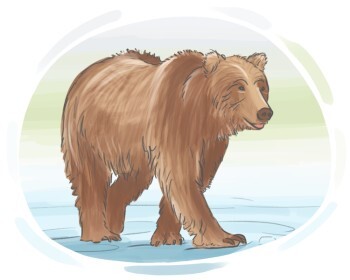
bear
bear
[Sustantivo]

a large animal with sharp claws and thick fur, which eats meat, honey, insects, and fruits

oso
oso

Ex: The bear is a symbol of strength and courage in many cultures. 

El oso es un símbolo de fuerza y valentía en muchas culturas.

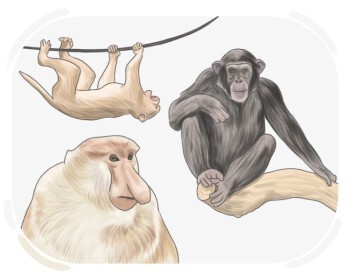
monkey
monkey
[Sustantivo]

a playful and intelligent animal that has a long tail and usually lives in trees and warm countries

mono
mono

Ex: My sister showed me the monkey eating a banana with delight. 

Mi hermana me mostró el mono comiendo un plátano con deleite.

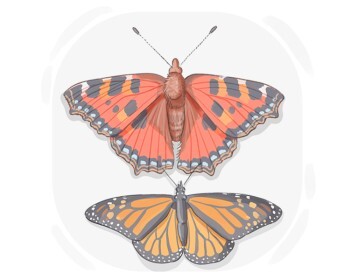
butterfly
butterfly
[Sustantivo]

a flying insect with a long, thin body and large, typically brightly colored wings

mariposa

mariposa

Ex: The butterfly landed on my hand for a brief moment before taking flight again. 

La mariposa aterrizó en mi mano por un breve momento antes de volar de nuevo.
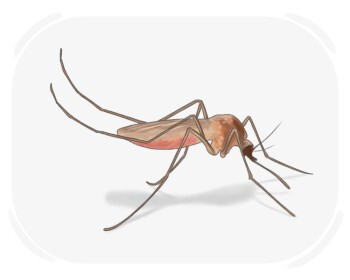
mosquito
mosquito
[Sustantivo]

a flying insect that bites people and animals and feeds on their blood

mosquito

mosquito

Ex: It's essential to empty containers that collect rainwater to prevent mosquito breeding. 

Es esencial vaciar los contenedores que recogen agua de lluvia para prevenir la cría de mosquitos.
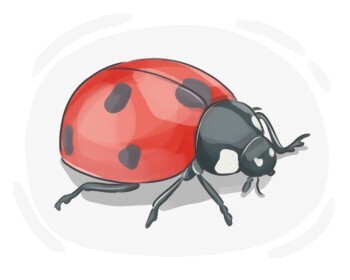
ladybug
ladybug
[Sustantivo]

a small flying insect which is usually red with black spots

mariquita

mariquita

Ex: Ladybugs are often considered good luck charms in many cultures. 

Las mariquitas a menudo son consideradas amuletos de buena suerte en muchas culturas.
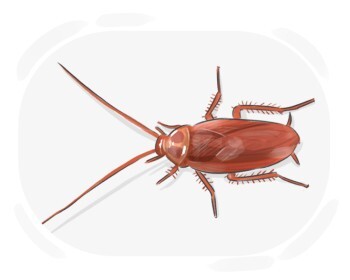
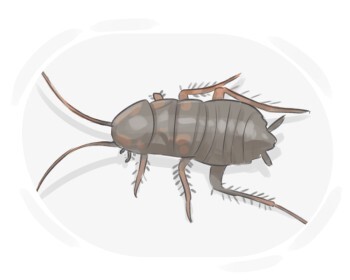
cockroach
cockroach
[Sustantivo]

a large brown insect with a broad body, wings, long legs and antennae, considered a household pest

cucaracha

cucaracha

Ex: I screamed when I saw a cockroach scurrying across the kitchen floor. 

Grité cuando vi una cucaracha corriendo por el suelo de la cocina.
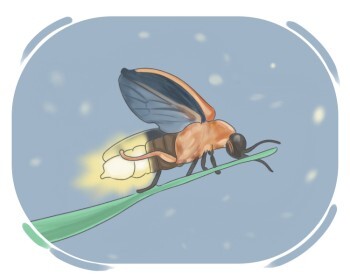
firefly
firefly
[Sustantivo]

a flying insect with a soft body and a tail that shines in the dark

luciérnaga

luciérnaga

Ex: Fireflies create a magical display with their glowing lights in the summer evenings. 

Las luciérnagas crean una exhibición mágica con sus luces brillantes en las noches de verano.
type
type
[Sustantivo]

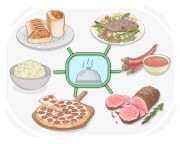
a class or group of people or things that have common characteristics or share particular qualities

tipo
tipo

Ex: In the animal kingdom, the lion belongs to the type of big cats. 

En el reino animal, el león pertenece al tipo de grandes felinos.

wild
wild
[Adjetivo]

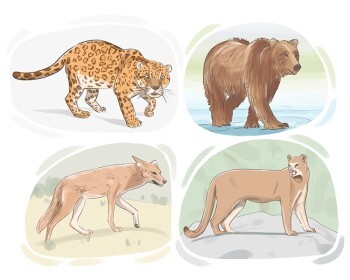
(of an animal or plant) living or growing in a natural state, without any human interference

salvaje
salvaje

Ex: The dense jungle provides shelter for many wild creatures. 

La densa selva proporciona refugio a muchas criaturas salvajes.

to hunt
to hunt
[Verbo]

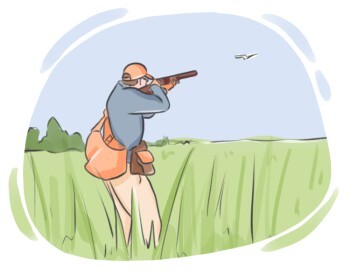
to pursue wild animals in order to kill or catch them, for sport or food

cazar
cazar

Ex: The hunter patiently waited for the perfect opportunity to hunt the elusive deer. 

El cazador esperó pacientemente el momento perfecto para cazar el escurridizo ciervo.

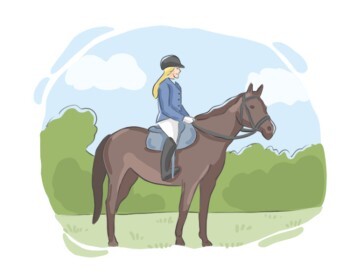
to ride
to ride
[Verbo]

to sit on and control the movement of an animal, especially a horse

montar

montar

Ex: I would love to ride a donkey during our trip to the mountains. 

Me encantaría montar un burro durante nuestro viaje a las montañas.

kind
kind
[Sustantivo]

a group of people or things that have similar characteristics or share particular qualities

tipo, clase

tipo, clase

Ex: The festival attracts people of different kinds, all celebrating together. 

El festival atrae a personas de tipos diferentes, todas celebrando juntas.

LanGeek
Descargar la aplicación LanGeek