
Lista Słówek Poziomu A2 - Zwierzęta
Naucz się kolejnych nazw zwierząt po angielsku na poziomie A2 i mów o gatunkach, dzikich zwierzętach, zwierzętach domowych i ich cechach.
Przegląd
Fiszki
Pisownia
Test
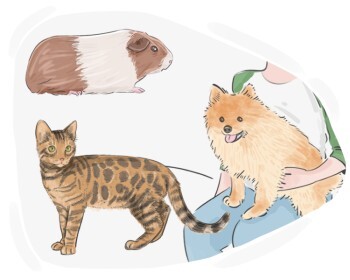
an animal kept at home for companionship or enjoyment

zwierzę domowe
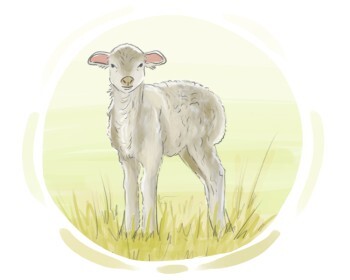
a young sheep, especially one that is under one year
jagnię, baranek
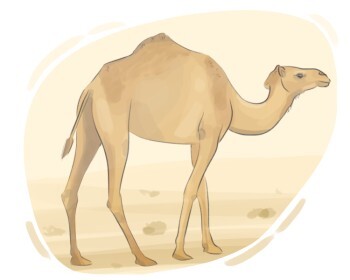
a large desert animal with a long neck and one or two humps on its back
wielbłąd, dromader
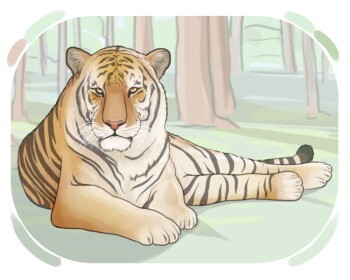
a type of large and wild animal that is from the cat family, has orange fur and black stripes, and is mostly found in Asia
tygrys, pasowany kot
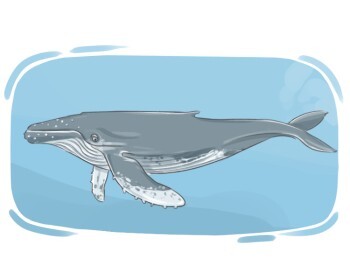
a large marine mammal with a streamlined body, horizontal tail flukes, and one or more blowholes for breathing
wieloryb, wieloryb
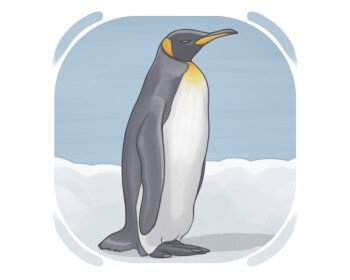
a large black-and-white seabird that lives in the Antarctic, and can not fly but uses its wings for swimming
pingwin, ptak antarktyczny
Dziewczynka zaśmiała się, gdy pingwin dreptał po lodzie.
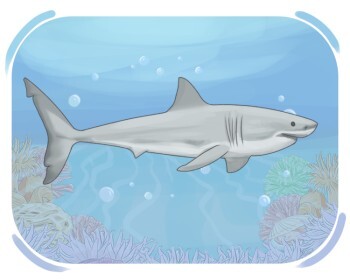
a large sea fish with a pointed fin on its back and very sharp teeth
rekin
Rekin to groźny drapieżnik oceanu.
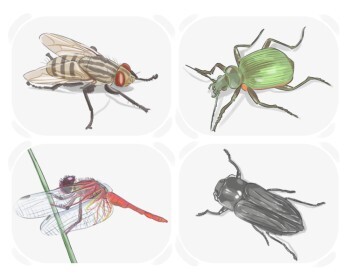
a small arthropod with six legs and a body divided into three parts, often also having wings
a small arthropod with six legs and a body divided into three parts, often also having wings
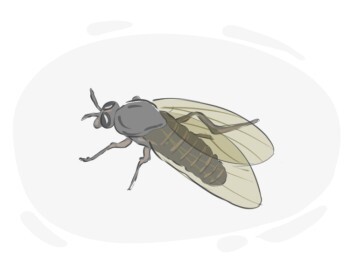
a small flying insect that has two wings
mucha, komar
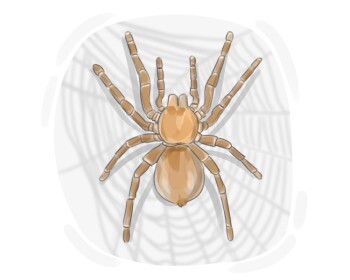
a small creature that spins webs to catch insects for food, with eight legs and two fangs by which poison is injected to its prey
pająk, pajęczak
Dzieci z ciekawością obserwowały, jak pająk wspina się po ścianie.
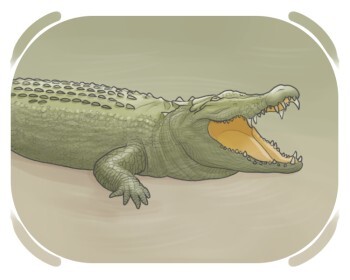
a large reptile with very big jaws, sharp teeth, short legs, and a hard skin and long tail that lives in rivers and lakes in warmer regions
krokodyl
Krokodyl cicho zbliżył się do swojej ofiary w wodzie.
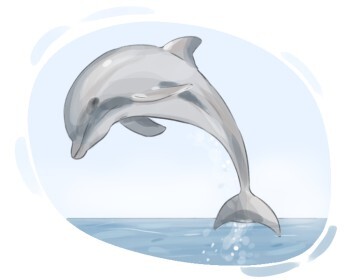
an intelligent marine mammal with a streamlined body, a beaklike snout, and teeth
delfin, delfin zwyczajny
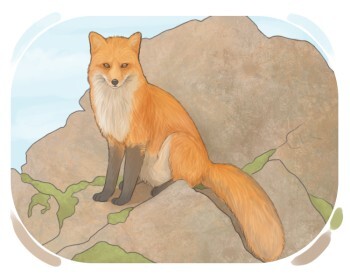
a small to medium-sized carnivorous mammal with a pointed muzzle and bushy tail, often have reddish-brown fur and are known for being clever and adaptable
lis, lisek
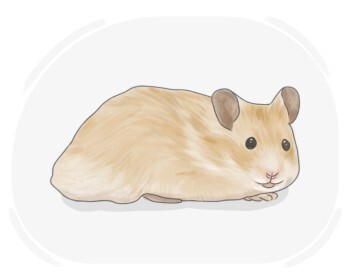
a small animal of the rodent family, similar to a mouse, with a short tail and large cheeks for storing food
chomik, gryzoń z rodziny Cricetidae
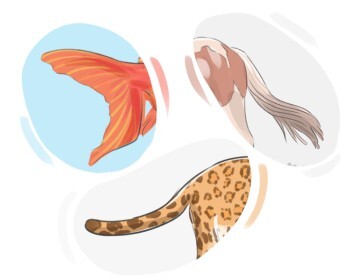
the part of the body of an animal, a bird or a fish that sticks out at the back, which can move
ogon, ogon zwierzęcia
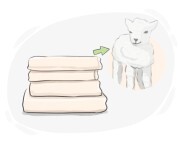
the soft, thick hair that grows on sheep and certain other animals
wełna
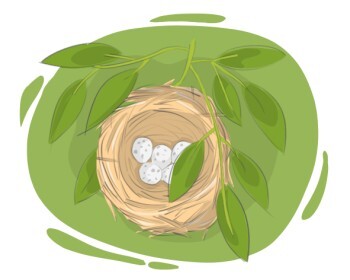
an oval or rounded object laid by birds, reptiles, fish, or certain invertebrates as part of their reproductive process
jajo, jajeczko
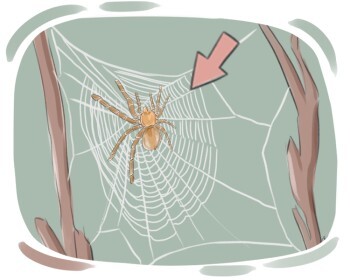
a net of thin threads made by a spider to catch insects for food
pajęczyna, sieć
Sprytny pająk utkał piękną pajęczynę, aby złapać swój następny posiłek.
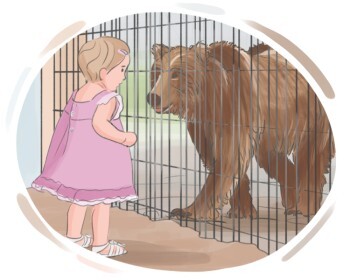
a place where many kinds of animals are kept for exhibition, breeding, and protection
zoo, ogród zoologiczny
Zoo ma duży wybieg, aby słonie mogły swobodnie wędrować.
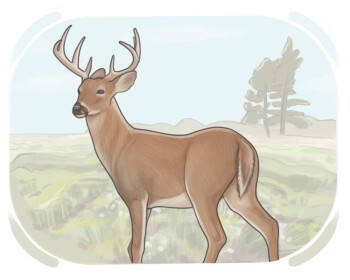
a large, wild animal with long legs which eats grass and can run very fast, typically the males have horns
jeleń, sarna
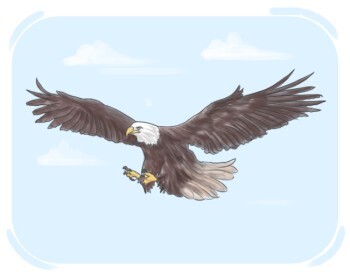
a large bird of prey with broad wings, a hooked beak, and very keen eyesight
orzeł
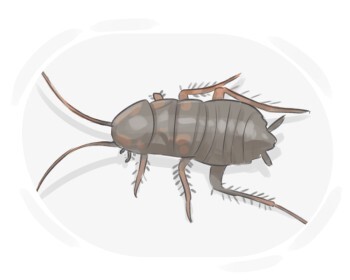
a large, typically black insect, which has a hard case on its back that covers its wings
żuk, chrząszcz
Twardy egzoszkielet chrząszcza zapewnia ochronę przed drapieżnikami.
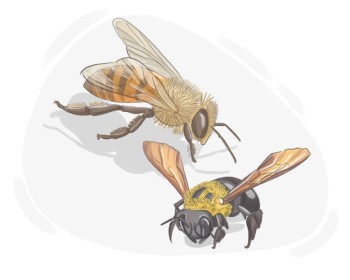
a flying insect that feeds on nectar and pollen, often with a hairy body and sometimes capable of stinging
pszczoła
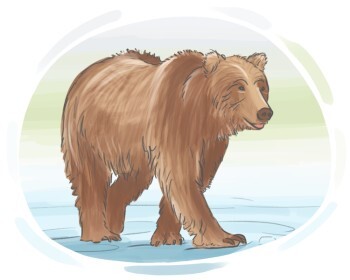
a large animal with sharp claws and thick fur, which eats meat, honey, insects, and fruits
niedźwiedź, niedźwiadek
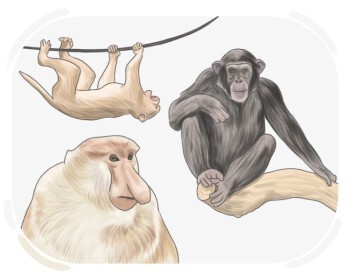
a playful and intelligent animal that has a long tail and usually lives in trees and warm countries
małpa, koczkodan
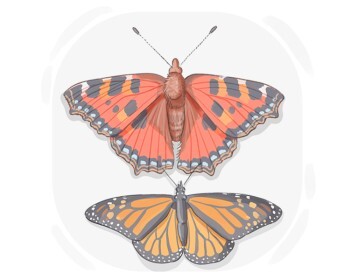
a flying insect with a long, thin body and large, typically brightly colored wings
motyl
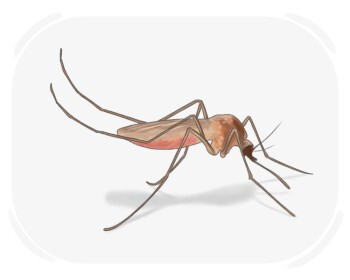
a flying insect that bites people and animals and feeds on their blood
komar, moskit
Denerwujący dźwięk brzęczącego komara nie dał mi spać w nocy.
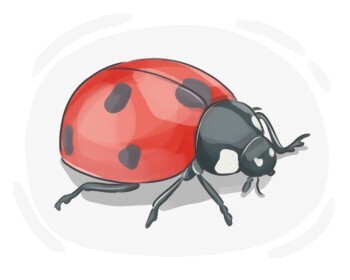
a small flying insect which is usually red with black spots
biedronka, boża krówka
Biedronka delikatnie wylądowała na źdźble trawy po krótkim locie.
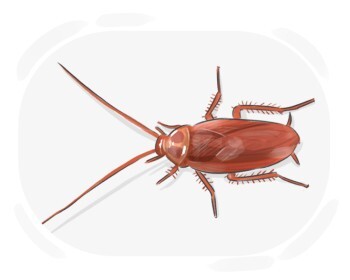
a large brown insect with a broad body, wings, long legs and antennae, considered a household pest
karaluch, prusak
Karaluch szybko zniknął w małej szczelinie w ścianie.
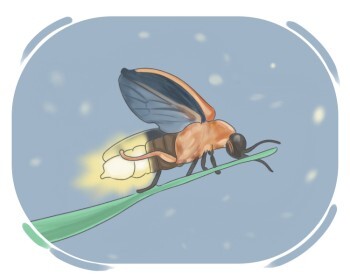
a flying insect with a soft body and a tail that shines in the dark
świetlik, robaczek świętojański
Świetliki używają swojego światła do komunikacji i przyciągania partnerów.
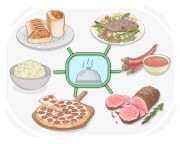
a class or group of people or things that have common characteristics or share particular qualities
typ, kategoria
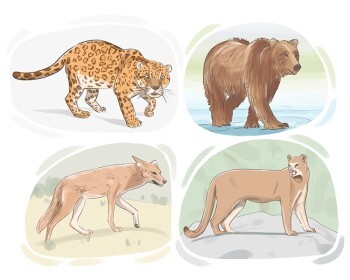
(of an animal or plant) living or growing in a natural state, without any human interference
dziki, naturalny
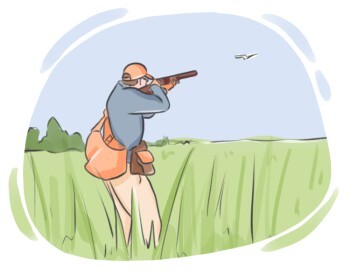
to pursue wild animals in order to kill or catch them, for sport or food
polować, ścigać
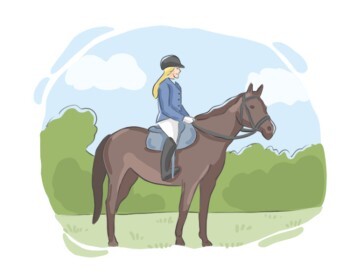
to sit on and control the movement of an animal, especially a horse
jeździć, dosiadać
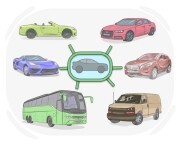
a group of people or things that have similar characteristics or share particular qualities
rodzaj, kategoria
