pattern

El libro Headway - Elemental - Inglés Cotidiano (Unidad 8)

Aquí encontrarás el vocabulario de la Unidad 8 de Inglés Cotidiano en el libro de curso Headway Elementary, como "paquete", "gastar", "suficiente", etc.

Revisión

Tarjetas de memoria

Ortografía

Cuestionario
Empezar a aprender
Headway - Elementary
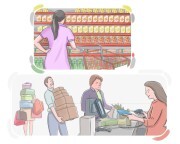
shopping
shopping
[Sustantivo]

the activity of buying goods or services, especially from stores or online

ir de compras
ir de compras

Ex: We went shopping for new shoes after lunch. 
packet
packet
[Sustantivo]

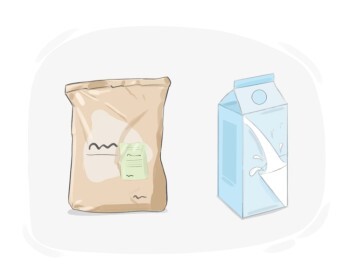
a small container or package made of paper, plastic, cardboard, or similar material, often together with its contents

sobre, paquete
sobre, paquete

Ex: The seeds are sold in small paper packets. 
battery
battery
[Sustantivo]

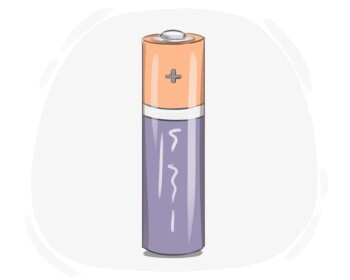
a device that stores chemical energy and converts it into electrical energy to provide power

batería

batería

Ex: This camera can run for several hours on a single battery. 
baby
baby
[Sustantivo]

a very young child

bebé

bebé

Ex: The baby giggled and clapped its hands in delight. 
shampoo
shampoo
[Sustantivo]

a liquid used to wash one's hair

champú, shampoo

champú, shampoo

Ex: He prefers using a gentle shampoo for his sensitive scalp. 

Él prefiere usar un champú suave para su cuero cabelludo sensible.

pen
pen
[Sustantivo]

an instrument used for writing or drawing with ink

bolígrafo
bolígrafo

Ex: My pen ran out of ink during class. 
small
small
[Adjetivo]

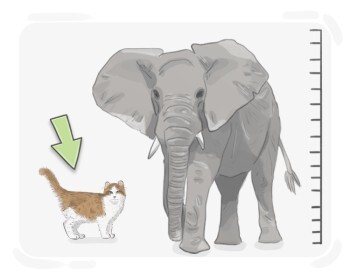
below average in physical size

pequeño
pequeño

Ex: The room had a small window that let in just a little sunlight. 
large
large
[Adjetivo]

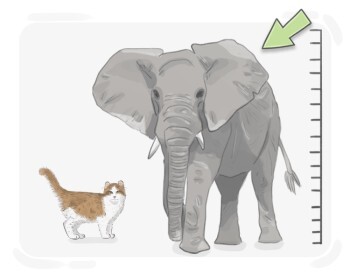
above average in amount or size

grande
grande

Ex: The large book was heavy and difficult to carry around. 
nice
nice
[Adjetivo]

providing pleasure and enjoyment

agradable

agradable

Ex: They moved into a nice house with modern appliances. 
present
present
[Sustantivo]

something given to someone as a sign of appreciation or on a special occasion

regalo, presente
regalo, presente

Ex: He always brings thoughtful presents whenever he visits, which shows how much he values our friendship. 
euro
euro
[Sustantivo]

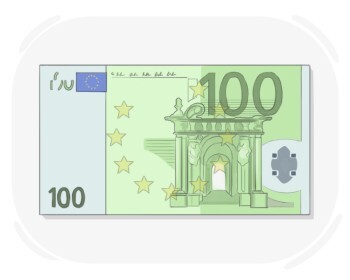
the money that most countries in Europe use

euro

euro

Ex: The entrance to the amusement park is six euros for children. 

La entrada al parque de atracciones es de seis euros para los niños.

to spend
to spend
[Verbo]

to use money as a payment for services, goods, etc.

gastar

gastar

Ex: He asked how much she spent on the concert tickets. 
cup
cup
[Sustantivo]

a small bowl-shaped container, usually with a handle, that we use for drinking tea, coffee, etc.

taza

taza

Ex: He enjoyed a cup of freshly brewed black coffee. 
latte
latte
[Sustantivo]

a drink made from espresso with steamed milk on top

café con leche, latte

café con leche, latte

Ex: The café offered a variety of flavored lattes, including vanilla, caramel, and hazelnut. 

El café ofrecía una variedad de lattes con sabores, incluyendo vainilla, caramelo y avellana.

hot chocolate
hot chocolate
[Sustantivo]

a hot drink, made by mixing cocoa powder with water or milk

chocolate caliente

chocolate caliente

Ex: The ski lodge served delicious hot chocolate to all the guests. 

El albergue de esquí sirvió chocolate caliente delicioso a todos los huéspedes.

egg
egg
[Sustantivo]

an oval or round thing that is produced by a chicken and can be used for food

huevo

huevo

Ex: I love having a sunny-side-up egg on my avocado toast. 
cheesecake
cheesecake
[Sustantivo]

a type of sweet dessert made from soft cheese on a cake or biscuit base

pay de queso, pie de queso

pay de queso, pie de queso

Ex: He topped the cheesecake with fresh berries and a drizzle of syrup. 

Él cubrió el cheesecake con bayas frescas y un hilo de jarabe.

sandwich
sandwich
[Sustantivo]

a food made by placing a filling between two slices or pieces of bread

bocadillo, sándwich

bocadillo, sándwich

Ex: Noah cut his sandwich in half before eating it. 
toast
toast
[Sustantivo]

bread that has been browned and made crisp by heating

pan tostado

pan tostado

Ex: The toast was still warm when Sarah brought it to the table. 
croissant
croissant
[Sustantivo]

a curved-shape roll that is sweet in taste and is usually eaten at breakfast

croissant, cruasán

croissant, cruasán

Ex: He ordered a ham and cheese croissant sandwich for lunch, a satisfying meal that hit the spot. 

Pidió un sándwich de croissant de jamón y queso para el almuerzo, una comida satisfactoria que le vino perfecto.
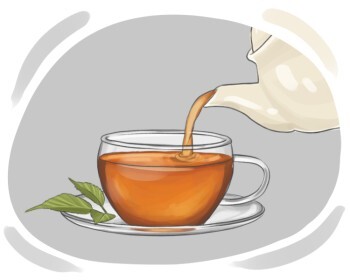
tea
tea
[Sustantivo]

a drink we make by soaking dried tea leaves in hot water

té

té

Ex: She brewed a pot of green tea and poured it over ice for a refreshing iced tea. 
ketchup
ketchup
[Sustantivo]

a cold sauce made from tomatoes, which has a thick texture and is served with some food

salsa de tomate, kétchup, cátchup, cátsup

salsa de tomate, kétchup, cátchup, cátsup

Ex: She prefers to mix ketchup with mayonnaise for a creamy dipping sauce. 

Ella prefiere mezclar el ketchup con mayonesa para una salsa cremosa para mojar.
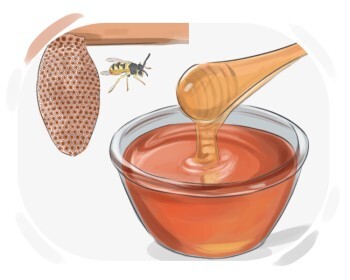
honey
honey
[Sustantivo]

a sweet, sticky substance made by bees from flower nectar and used as food

miel

miel

Ex: The farmer sells locally produced honey at the market. 
to take away

to take something from someone so that they no longer have it

quitarle algo a alguien para que deje de tenerlo, quitarle a alguien un derecho o privilegio

quitarle algo a alguien para que deje de tenerlo, quitarle a alguien un derecho o privilegio

Ex: The company will take away your access card if you violate the security policy. 

La empresa te quitará la tarjeta de acceso si violas la política de seguridad.

size
size
[Sustantivo]

the physical extent of an object, usually described by its height, width, length, or depth

tamaño

tamaño

Ex: He measured the size of the room to determine how much furniture could fit. 
medium
medium
[Sustantivo]

a means that is used for the purpose of communicating or expressing something

medio

medio

Ex: The lecture served as a medium to convey complex scientific ideas. 
to [take] a seat

to sit down or assume a sitting position
Ex: The flight attendant announced, 'Please take your seats and fasten your seatbelts for takeoff.' 
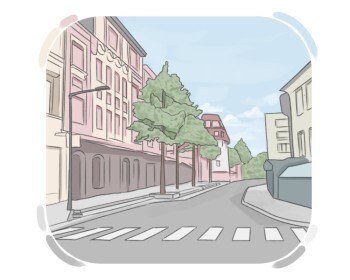
street
street
[Sustantivo]

a public path for vehicles in a village, town, or city, usually with buildings, houses, etc. on its sides

calle
calle

Ex: The street was filled with colorful houses and blooming flowers. 
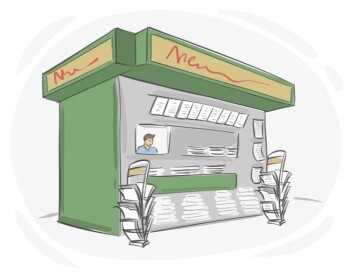
newsagent
newsagent
[Sustantivo]

a shop that sells newspapers, magazines, and other items related to reading materials, such as stationery, cards, and sometimes snacks

quiosco de prensa, tienda de periódicos

quiosco de prensa, tienda de periódicos

Ex: The local newsagent always stocks the latest fashion magazines. 

El quiosquero local siempre tiene las últimas revistas de moda.

cafe
cafe
[Sustantivo]

a small restaurant that sells drinks and meals

café, cafetería

café, cafetería

Ex: The quaint cafe offered a relaxing ambiance with soft music playing in the background. 

El café pintoresco ofrecía un ambiente relajante con música suave de fondo.

supermarket
supermarket
[Sustantivo]

a large store that sells food, drinks, and a wide range of household goods

supermercado

supermercado

Ex: Daniel bought fruit and vegetables at the supermarket. 
butcher
butcher
[Sustantivo]

someone who cuts up and sells meat as a job

carnicero

carnicero

Ex: She asked the butcher for advice on how to cook the perfect steak. 

Ella le pidió consejo al carnicero sobre cómo cocinar el bistec perfecto.

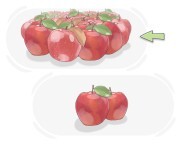
sort
sort
[Sustantivo]

a category or group of things that share similar characteristics or properties

tipo, categoría
tipo, categoría

Ex: She prefers this sort of clothing because it's comfortable and stylish. 
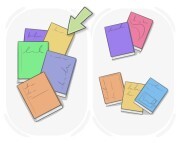
many
many
[Determinante]

used to indicate a large number of people or things

muchos

muchos

Ex: Many people came to the concert despite the rain. 

Mucha gente vino al concierto a pesar de la lluvia.
all
all
[Determinante]

used to refer to every number, part, amount of something or a particular group

todo

todo

Ex: All the students passed the test. 

Todos los estudiantes aprobaron el examen.
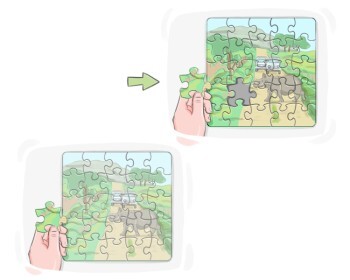
enough
enough
[Determinante]

to a necessary amount

lo suficiente, bastante

lo suficiente, bastante

Ex: His explanation was clear enough for everyone to understand. 
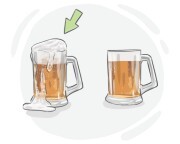
else
else
[Adverbio]

in addition to what is already mentioned or known

si no
si no

Ex: If you don't like this restaurant, we can go somewhere else for lunch. 
too
too
[Adverbio]

more than is acceptable, suitable, or necessary

demasiado

demasiado

Ex: He was driving too fast down the highway. 

Él conducía demasiado rápido por la autopista.

LanGeek
Descargar la aplicación LanGeek