
El libro Summit 2A - Unidad 4 - Lección 3
Aquí encontrarás el vocabulario de la Unidad 4 - Lección 3 del libro de texto Summit 2A, como "volverse loco", "desahogarse", "encogerse de hombros", etc.
Revisión
Tarjetas de memoria
formas
Ortografía
Cuestionario

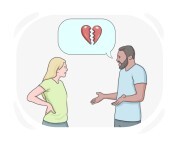
to show or make a thought, feeling, etc. known by looks, words, or actions

expresar
Anoche, expresaron su alegría con vítores y aplausos.
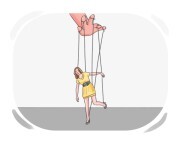
to have power over a person, company, country, etc. and to decide how things should be done
controlar
Como padre, es importante guiar y controlar el comportamiento de su hijo.
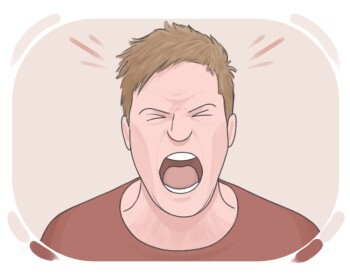
a strong feeling that we have when something bad has happened, so we might be unkind to someone or harm them
ira
La ira del profesor era evidente cuando se enteró del mal comportamiento de los estudiantes.
![to [lose] {one's} temper](https://cdn.langeek.co/photo/60628/thumb/angry/350?type=jpeg "to [lose] {one's} temper")
to suddenly become uncontrollably angry
![to [have|throw] a fit](https://cdn.langeek.co/photo/42582/thumb/350?type=jpeg "to [have|throw] a fit")
to suddenly and uncontrollably express strong emotions, often in a negative way
to become extremely angry with someone or something
ponerse hecho una furia, perder los estribos
El jefe se pondrá hecho una furia si este informe sale con esos errores.
![to [go] ballistic](https://cdn.langeek.co/photo/51198/thumb/350?type=jpeg "to [go] ballistic")
to suddenly become extremely angry
ponerse hecho una furia, montar en cólera
No se lo digas ahora; se va a poner hecho una furia antes de la reunión.
to fail to control one's anger
perder los estribos, explotar de rabia
Explotó de rabia después de esperar una hora sin ninguna explicación.
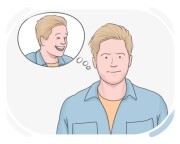
to suppress the expression of one's feelings
contener
En momentos emocionales, muchas personas encuentran difícil contener las lágrimas.
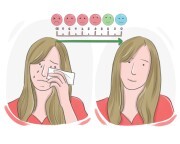
to become less angry, upset, or worried
calmarse
Mi perro se emociona tanto cuando vienen visitas, que tarda un rato en calmarse.

to free oneself from tension or anxiety and be more relaxed instead
relajarse, soltar
Tomó un tiempo, pero aprendió a dejar ir y dejar de sobrepensar todo.
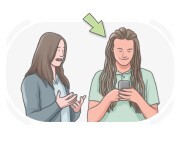
to consider something unworthy of one's attention or consideration
ignorar, hacer caso omiso de
El atleta decidió hacer caso omiso de los comentarios negativos y mantenerse concentrado en el entrenamiento.
to get rid of one's strong feelings, particularly by talking in an angry way
to strongly express one's feelings, particularly one's anger
desahogar, expresar
Después de un día desafiante, encontró a un amigo al que desahogar sus frustraciones.
