
El libro English Result - Intermedio Alto - Unidad 10 - 10C
Aquí encontrarás el vocabulario de la Unidad 10 - 10C en el libro de curso English Result Upper-Intermediate, como "sofocar", "hinchado", "escaldar", etc.
Revisión
Tarjetas de memoria
formas
Ortografía
Cuestionario
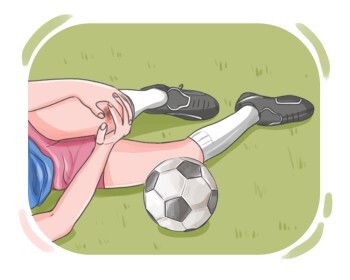
any physical damage to a part of the body caused by an accident or attack

herida
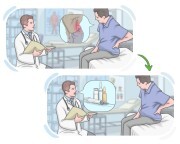
an action that is done to relieve pain or cure a disease, wound, etc.
tratamiento
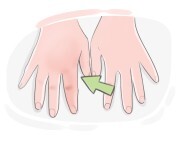
(of a part of the body) unusually large, particularly because of an injury or illness
hinchado, inflamado
Después de la cirugía, su rostro permaneció hinchado durante unos días.
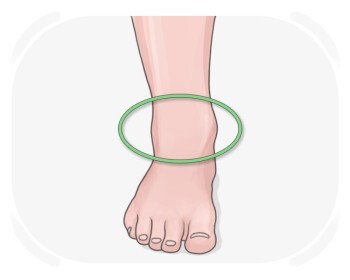
the joint connecting the foot to the lower part of the leg
tobillo
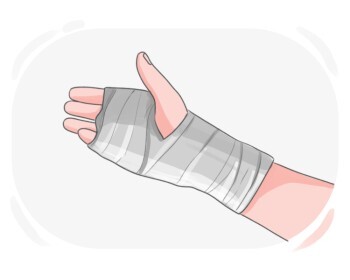
(of a thing) physically divided into pieces, because of being damaged, dropped, etc.
roto
Ella estaba triste porque su taza favorita estaba rota.
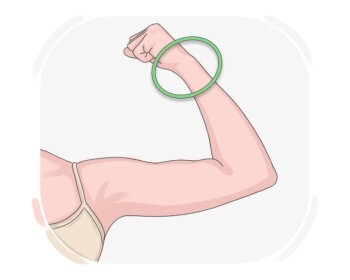
the part of the body connecting the hand to the forearm
muñeca
a painful mark on the skin caused by the sting of a bee
picadura de abeja, aguijón de abeja
Era alérgico a las picaduras de abeja, por lo que siempre llevaba un bolígrafo de epinefrina.
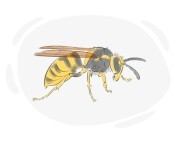
a winged insect with a powerful sting and black and yellow colors
avispa
El nido de avispas colgaba como un farol de papel de los aleros de la casa, un testimonio de la naturaleza industriosa del insecto.
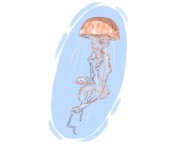
a sea creature that has a bell-shaped body, which is gelatinous and transparent, long thin tentacles and a poisonous sting
medusa
Mientras nadaba en el océano, vio una medusa y se aseguró de mantener la distancia.
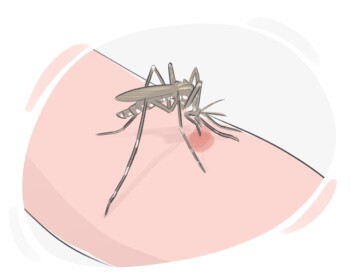
(of an animal or insect) to pierce the skin of another animal or a human, typically injecting poison, either in self-defense or while preying
picar
La avispa picó al niño cuando se sintió acorralada.
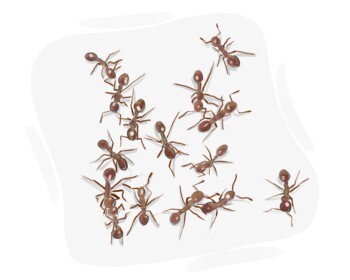
a small insect that lives in a colony
hormiga
La capacidad de la hormiga para levantar objetos muchas veces su propio peso nunca dejó de sorprender a los científicos.
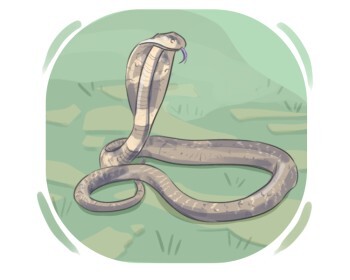
a long, legless reptile with a narrow body covered in scales
serpiente
a small, raised mark on the skin caused by the bite of a mosquito, often accompanied by itching and swelling
picadura de mosquito, mordedura de mosquito
La picadura de mosquito dejó un pequeño bulto en su brazo.
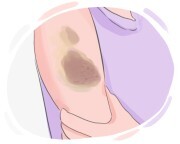
(of body parts) having a discolored mark due to broken blood vessels, typically caused by an injury or pressure
magullado, amoratado
Cojeaba ligeramente de su tobillo magullado después del partido de fútbol.
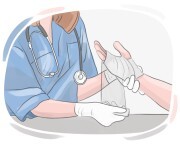
to provide medical care such as medicine or therapy to heal injuries, illnesses, or wounds and make someone better
tratar
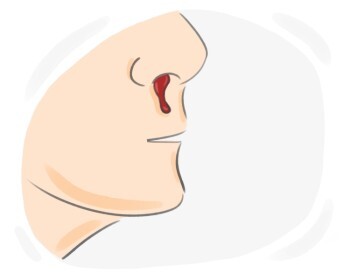
to lose blood from an injury or wound
sangrar
Es esencial aplicar presión a una herida para evitar que sangre excesivamente.
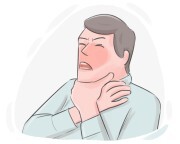
to struggle for breathing due to the lack or reduced amount of oxygen
sofocar, asfixiar
La habitación estaba tan sofocante que empezó a sofocarse y tuvo que abrir una ventana.
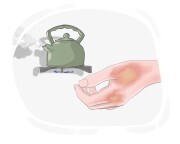
to injure oneself with hot liquid or steam
escaldar
El camarero torpe accidentalmente escaldó a un cliente con café caliente.
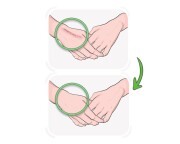
to become healthy again
sanarse, curarse
La lesión se está curando con el tratamiento prescrito.
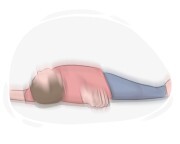
to lose consciousness for a short time, especially because of heat, pain, shock, or weakness
desmayarse, sufrir un desmayo

a piece of cloth that is put around a wound to prevent infections
vendaje, venda
En caso de una emergencia, es importante saber cómo usar correctamente un vendaje para cubrir una herida.

a small medical dressing that one can stick over a wound or cut in order to keep it clean and protect it
curita, tirita
Mantén una caja de curitas en tu botiquín de primeros auxilios para emergencias.
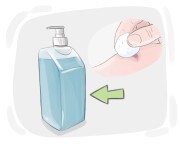
preventing the growth of harmful microorganisms
antiséptico
El médico recomendó usar una solución antiséptica para limpiar el área.
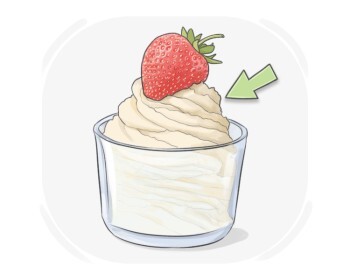
the thick, fatty part of milk that rises to the top when you let milk sit
crema
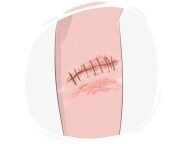
a piece of thread used by a medical professional to hold the edges of a wound together
punto, punto de sutura
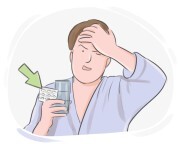
a type of medicine that is used to reduce or relieve pain
analgésico, calmante
Él alcanzó un analgésico de venta libre para aliviar su dolor muscular después del entrenamiento.
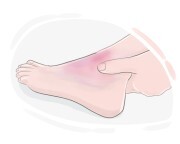
(of a joint) injured by the overstretching or tearing of the tissue
torcido, esguince
Un codo torcido puede ser muy doloroso, especialmente al doblar el brazo.

to not be able to speak clearly and normally due to experiencing very strong emotions
ahogarse, atragantarse
No es raro atragantarse al discutir temas difíciles que provocan fuertes sentimientos.
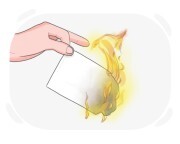
to be on fire and be destroyed by it
arder, quemar
| El libro English Result - Intermedio Alto | |||
|---|---|---|---|
| Unidad 8 - 8D | Unidad 9 - 9A | Unidad 9 - 9D | Unidad 10 - 10A |
| Unidad 10 - 10C | |||
