
El libro Four Corners 2 - Unidad 9 Lección C
Aquí encontrarás el vocabulario de la Unidad 9 Lección C del libro de curso Four Corners 2, como "determinado", "admirar", "pobreza", etc.
Revisión
Tarjetas de memoria
Ortografía
Cuestionario

telling the truth and having no intention of cheating or stealing

sincero, honesto, franco
El mecánico honesto proporcionó una evaluación justa del estado del coche, aunque eso significara menos ganancias para el taller.
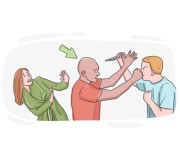
having or showing courage when facing danger, difficulty, or pain
valiente, valeroso
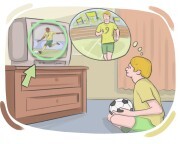
producing feelings of motivation, enthusiasm, or admiration
inspirador
El rendimiento inspirador del equipo en el juego del campeonato dejó a la multitud asombrada.

showing or having enthusiasm or strong emotions about something one care deeply about
apasionado, ferviente
El chef apasionado puso todo su corazón en crear platos innovadores que deleitaron a los comensales.
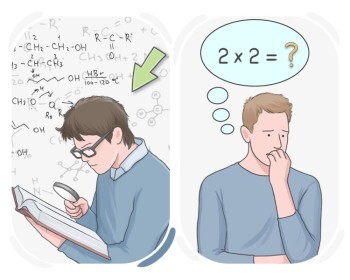
good at learning things, understanding ideas, and thinking clearly
inteligente
Mi hermana es increíblemente inteligente; puede resolver problemas matemáticos complejos con facilidad.

possessing a natural skill or ability for something
talentoso, con talento
El equipo tiene varios jugadores talentosos esta temporada.

showing concern for the well-being of others and being kind and supportive in one's actions and interactions
afectuoso

having or displaying a strong will to achieve a goal despite the challenges or obstacles
decidido
El equipo estaba decidido a ganar el campeonato, entrenando rigurosamente.

to respect and approve of someone or something because of their qualities, achievements, or actions
admirar

a person who practices or studies law, advises people about the law or represents them in court
abogado
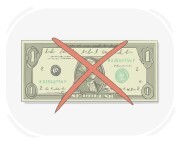
at no cost to the person receiving something
gratis, sin costo
El museo ofrece la entrada gratis cada primer domingo del mes.
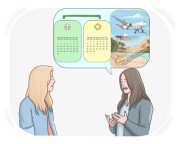
used to express that something happens continuously from the beginning to the end of a period of time
durante
Los estudiantes estuvieron atentos durante toda la clase.
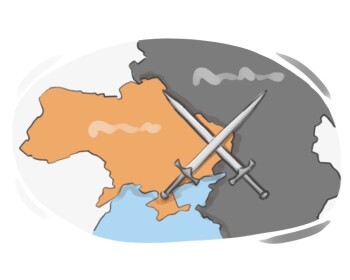
a state of armed fighting between two or more groups, nations, or states
guerra
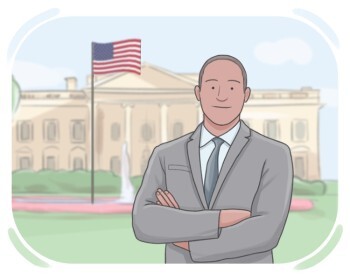
the leader of a country that has no king or queen
presidente

anything that is given as a reward to someone who has done very good work or to the winner of a contest, game of chance, etc.
premio

written works that are valued as works of art, such as novels, plays and poems
literatura

someone who achieves the best results or performs better than other players in a game, sport, or competition
ganador

a long written story that usually involves imaginary characters and places
novela

to take part in a violent physical action against someone
pelear, luchar

in opposition to someone or something
contra
El equipo juega contra los campeones nacionales la próxima semana.
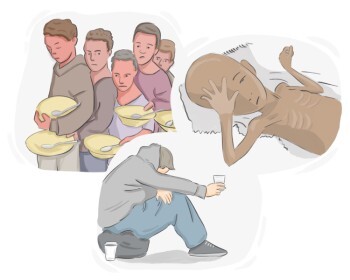
the condition of lacking enough money or income to afford basic needs like food, clothing, etc.
pobreza
owning a very small amount of money or a very small number of things
pobre

to make letters, words, or numbers on a surface, usually on a piece of paper, with a pen or pencil
escribir

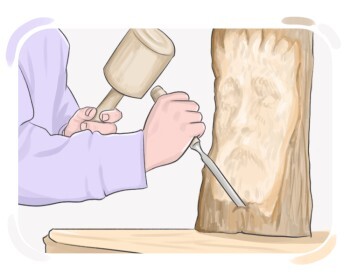
to form, produce, or prepare something, by putting parts together or by combining materials
hacer
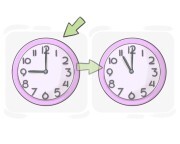
used to refer to a time in the past, showing how much time has passed before the present moment
hace
Terminé de leer ese libro hace un mes.
