pattern

El libro Total English - Avanzado - Unidad 7 - Vocabulario

Aquí encontrarás las palabras de la Unidad 7 - Vocabulario en el libro de curso Total English Advanced, como "aviador", "compilación", "enfatizar", etc.

Revisión

Tarjetas de memoria

formas

Ortografía

Cuestionario

Empezar a aprender
Total English - Advanced
profitable
profitable
[Adjetivo]

(of a business) providing benefits or valuable returns

rentable

rentable

Ex: Investing in renewable energy has turned out to be a profitable venture for many companies. 

Invertir en energía renovable ha resultado ser una empresa rentable para muchas empresas.

destruction
destruction
[Sustantivo]

the action or process of causing significant damage to something, rendering it unable to exist or continue in its normal state

destrucción

destrucción

Ex: The demolition crew's destruction of the old building made way for new development. 

La destrucción del edificio antiguo por el equipo de demolición dio paso a un nuevo desarrollo.

illegally
illegally
[Adverbio]

in a way that breaks or goes against the law

ilegalmente

ilegalmente

Ex: They were caught illegally crossing the border without proper documents. 

Fueron sorprendidos cruzando la frontera ilegalmente sin los documentos adecuados.

disappearance
disappearance
[Sustantivo]

the act or instance of going missing, often without explanation or a trace left behind

desaparición, extinción

desaparición, extinción

Ex: The detective investigated the mysterious disappearance of the artifact. 

El detective investigó la desaparición misteriosa del artefacto.
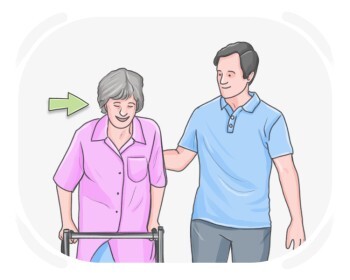
dependent
dependent
[Adjetivo]

unable to survive, succeed, or stay healthy without someone or something

dependiente

dependiente

Ex: The newborn baby was completely dependent on her mother for food and care. 

El recién nacido era completamente dependiente de su madre para la alimentación y el cuidado.

to emphasize

to highlight something and make it easier to notice by drawing attention toward it

clasificar

clasificar

Ex: The designer used bold colors to emphasize the main features of the website. 

El diseñador utilizó colores llamativos para resaltar las características principales del sitio web.

afterward
afterward
[Adverbio]

in the time following a specific action, moment, or event

después, más tarde, luego

después, más tarde, luego

Ex: Afterward, the storm subsided, leaving behind a tranquil evening. 

Después, la tormenta amainó, dejando atrás una tarde tranquila.

nationalization
nationalization
[Sustantivo]

the process of transferring ownership and control of privately owned assets or industries to the government

nacionalización, estatización

nacionalización, estatización

globalization
globalization
[Sustantivo]

the fact that the cultures and economic systems around the world are becoming connected and similar as a result of improvement in communications and development of multinational corporations

globalización

globalización

Ex: The rise of multinational corporations is one of the most visible effects of globalization. 

El auge de las corporaciones multinacionales es uno de los efectos más visibles de la globalización.

compilation
compilation
[Sustantivo]

something such as a book, record, etc. that consists of different pieces taken from several sources

compilación

compilación

Ex: The DJ released a compilation of popular tracks from the 80s. 

El DJ lanzó una compilación de canciones populares de los 80.

enjoyment
enjoyment
[Sustantivo]

the feeling of pleasure that someone experiences from an activity, a thing or a situation

disfrute, goce

disfrute, goce

Ex: The children's enjoyment at the amusement park was evident in their laughter. 

El disfrute de los niños en el parque de atracciones era evidente en sus risas.

harassment
harassment
[Sustantivo]

the act of subjecting someone to repeated and unwanted attacks, criticism, or other forms of harmful behavior

acoso, hostigamiento

acoso, hostigamiento

Ex: The tenant filed a complaint against the landlord for harassment. 

El inquilino presentó una queja contra el propietario por acoso.

retirement
retirement
[Sustantivo]

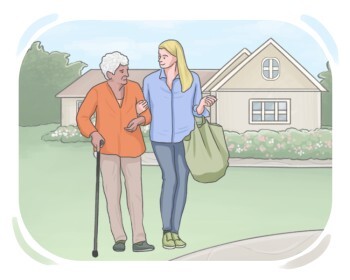
the period during someone's life when they stop working often due to reaching a certain age

jubilación, retiro
jubilación, retiro

Ex: Her retirement was filled with volunteer work and community activities. 

Su jubilación estuvo llena de trabajo voluntario y actividades comunitarias.

kindness
kindness
[Sustantivo]

an action that is caring, kind, or helpful

amabilidad, bondad

amabilidad, bondad

Ex: A small act of kindness can brighten someone’s day and make a big difference in their life. 

Un pequeño acto de bondad puede alegrar el día de alguien y marcar una gran diferencia en su vida.

emptiness
emptiness
[Sustantivo]

a state of lacking substance or content, usually referring to a space or container that is completely without any material or matter

vacío, nada

vacío, nada

sadness
sadness
[Sustantivo]

the feeling of being sad and not happy

tristeza

tristeza

Ex: The loss of his pet brought overwhelming sadness to the entire family. 

La pérdida de su mascota trajo una tristeza abrumadora a toda la familia.

redundancy
redundancy
[Sustantivo]

a state of being no longer needed or useful, often due to the existence of a duplicate or replacement

redundancia

redundancia

Ex: His speech contained unnecessary redundancy, making it longer than needed. 

Su discurso contenía una redundancia innecesaria, lo que lo hacía más largo de lo necesario.

accuracy
accuracy
[Sustantivo]

the state or quality of being without any errors

exactitud

exactitud

tendency
tendency
[Sustantivo]

an inclination or habit to act in a certain way

tendencia

tendencia

Ex: He has a tendency to speak before thinking. 

Él tiene una tendencia a hablar antes de pensar.

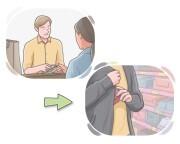
burglar
burglar
[Sustantivo]

someone who illegally enters a place in order to steal something

ladrón, ratero

ladrón, ratero

Ex: The burglar wore a mask to hide his identity as he carefully searched through the drawers for valuables. 

El ladrón llevaba una máscara para ocultar su identidad mientras buscaba cuidadosamente en los cajones objetos de valor.

aviator
aviator
[Sustantivo]

a person who operates an aircraft

aviador

aviador

Ex: The museum featured exhibits about famous aviators in history. 

El museo presentaba exhibiciones sobre aviadores famosos en la historia.

motivator
motivator
[Sustantivo]

a person or thing that provides motivation or encouragement to someone to complete a task, achieve a goal, or make a positive change

motivador, fuente de motivación

motivador, fuente de motivación

assistant
assistant
[Sustantivo]

a person who helps someone in their work

asistente

asistente

Ex: She is working as an assistant to the company's CEO. 

Ella trabaja como asistente del CEO de la empresa.

opponent
opponent
[Sustantivo]

someone who disagrees with a system, plan, etc. and intends to put an end to it or change it

adversario, oponente

adversario, oponente

Ex: The politician’s strongest opponent criticized his policies openly. 

El oponente más fuerte del político criticó abiertamente sus políticas.

entrant
entrant
[Sustantivo]

any individual or entity that is newly participating in a particular activity or competition

participante

participante

Ex: The contest organizers provided a briefing for all new entrants. 

Los organizadores del concurso proporcionaron un informe para todos los nuevos participantes.

biologist
biologist
[Sustantivo]

a person who studies the science that deals with living organisms

biólogo
biólogo

Ex: The biologist presented her findings on the impact of climate change on local plant species at the conference. 
psychologist
psychologist
[Sustantivo]

a professional who studies behavior and mental processes to understand and treat psychological disorders and improve overall mental health

psicólogo, sicólogo

psicólogo, sicólogo

Ex: Psychologists often use standardized tests to assess cognitive abilities and personality traits. 

Los psicólogos suelen utilizar pruebas estandarizadas para evaluar las habilidades cognitivas y los rasgos de personalidad.

spokesman
spokesman
[Sustantivo]

a person, often a man, who is appointed or elected to speak on behalf of a group or organization

portavoz, representante

portavoz, representante

Ex: The company appointed a new spokesman to improve its public image. 

La empresa nombró a un nuevo portavoz para mejorar su imagen pública.

businesswoman
businesswoman
[Sustantivo]

a woman who does business activities like running a company or participating in trade

empresaria

empresaria

Ex: She became a business woman after years of working in the corporate world. 

Se convirtió en una mujer de negocios después de años de trabajar en el mundo corporativo.

doorman
doorman
[Sustantivo]

a man working in a hotel, building, etc. who lets visitors in and helps them find a taxi

portero

portero

Ex: Despite the chilly weather, the doorman stood outside the building, ensuring residents and visitors were welcomed with a friendly demeanor. 

A pesar del clima frío, el portero permaneció fuera del edificio, asegurándose de que los residentes y visitantes fueran recibidos con una actitud amigable.

to motivate

to make someone want to do something by giving them a reason or encouragement

motivar, alentar

motivar, alentar

Ex: The inspiring story of success served to motivate aspiring entrepreneurs. 

La historia inspiradora de éxito sirvió para motivar a los aspirantes a empresarios.

to captivate

to attract someone by being irresistibly appealing

cautivar

cautivar

Ex: The charming character of the old town captivated visitors with its historical charm. 

El encantador carácter del pueblo viejo cautivó a los visitantes con su encanto histórico.
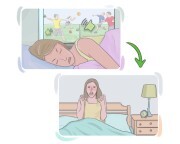
to tolerate

to allow something one dislikes, especially certain behavior or conditions, without interference or complaint

tolerar, soportar

tolerar, soportar

Ex: Patients often need to tolerate discomfort during medical treatments for their well-being. 

Los pacientes a menudo necesitan tolerar las molestias durante los tratamientos médicos por su bienestar.

to satirize

to use satire in order to criticize or ridicule a system, person, etc.

satirizar

satirizar

to simplify

to make something easier or less complex to understand, do, etc.

simplificar

simplificar

Ex: The chef decided to simplify the recipe by using fewer ingredients for a quick meal. 

El chef decidió simplificar la receta usando menos ingredientes para una comida rápida.

to clarify
to clarify
[Verbo]

to make something clear and easy to understand by explaining it more

aclarar, clarificar

aclarar, clarificar

Ex: In response to the confusion, the teacher clarified the instructions for the assignment. 

En respuesta a la confusión, el profesor aclaró las instrucciones para la tarea.

to testify
to testify
[Verbo]

to make a statement as a witness in court saying something is true

testificar, declarar

testificar, declarar

Ex: Experts may be called to testify regarding their professional opinions on a case. 

Se puede llamar a los expertos a testificar respecto a sus opiniones profesionales sobre un caso.

to lighten
to lighten
[Verbo]

to make something brighter or clearer in color

aclarar

aclarar

Ex: The artist used a lighter shade of blue to lighten the sky in the landscape painting. 

El artista usó un tono más claro de azul para aclarar el cielo en la pintura del paisaje.

to enlighten

to make something clear or understandable, often by providing new or relevant information

aclarar

aclarar

Ex: Attending seminars on artificial intelligence can enlighten the subject of machine learning. 

Asistir a seminarios sobre inteligencia artificial puede iluminar el tema del aprendizaje automático.
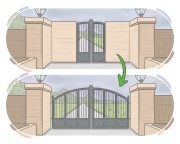
to broaden
to broaden
[Verbo]

to expand or enlarge the size or dimensions of something

ensanchar, ampliar

ensanchar, ampliar

Ex: To enhance safety, the highway department will broaden the shoulders of the road to provide a buffer zone for vehicles. 

Para mejorar la seguridad, el departamento de carreteras ampliará los arcenes de la carretera para proporcionar una zona de amortiguación para los vehículos.
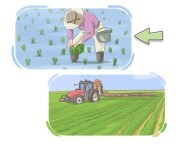
manual
manual
[Adjetivo]

requiring or involving personal effort, especially physical effort, as opposed to being automatic or effortless

manual, de mano

manual, de mano

Ex: I had to do a manual calculation since the machine wasn’t working. 

Tuve que hacer un cálculo manual ya que la máquina no funcionaba.

practical
practical
[Adjetivo]

focused on actions and real-life use, rather than on just ideas or theories

práctico

práctico

Ex: The practical application of physics principles helped improve manufacturing processes. 

La aplicación práctica de los principios de la física ayudó a mejorar los procesos de fabricación.

phenomenal
phenomenal
[Adjetivo]

related to a remarkable or exceptional occurrence that is observed or experienced

fenomenal

fenomenal

tolerant
tolerant
[Adjetivo]

showing respect to what other people say or do even when one disagrees with them

tolerante

tolerante

Ex: The tolerant coworker listened attentively to their colleague's ideas, even if they had opposing viewpoints, fostering collaboration and mutual respect. 

El compañero de trabajo tolerante escuchó atentamente las ideas de su colega, incluso si tenían puntos de vista opuestos, fomentando la colaboración y el respeto mutuo.
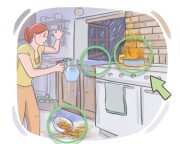
urgent
urgent
[Adjetivo]

needing immediate action or attention

urgente, apremiante

urgente, apremiante

Ex: There is an urgent need for food and shelter for the victims of the natural disaster. 

Hay una necesidad urgente de alimentos y refugio para las víctimas del desastre natural.

permanent
permanent
[Adjetivo]

continuing to exist all the time, without significant changes

permanente, fijo

permanente, fijo

Ex: They moved into a permanent home after years of traveling from place to place. 

Se mudaron a un hogar permanente después de años de viajar de un lugar a otro.

selfish
selfish
[Adjetivo]

always putting one's interests first and not caring about the needs or rights of others

egoísta

egoísta

Ex: The selfish driver cut off other cars in traffic without a second thought. 

El conductor egoísta cortó el paso a otros coches en el tráfico sin pensarlo dos veces.

childish
childish
[Adjetivo]

behaving in a way that is immature or typical of a child

infantil, pueril

infantil, pueril

Ex: Making faces at the teacher behind her back was a childish way of expressing discontent with the lesson. 

Hacer muecas al profesor a sus espaldas era una forma infantil de expresar descontento con la lección.

polish
polish
[Adjetivo]

referring to something that is related to Poland, its people, language, culture, or products

polaco
polaco

Ex: The Polish community in our town is very active. 

La comunidad polaca en nuestro pueblo es muy activa.

hopeful
hopeful
[Adjetivo]

(of a person) having a positive attitude and believing that good things are likely to happen

optimista, prometedor

optimista, prometedor

Ex: The therapist encouraged the patient to remain hopeful, reminding them that progress takes time. 

El terapeuta animó al paciente a mantenerse esperanzado, recordándole que el progreso lleva tiempo.

to idealize

to envision something in its best or perfect form

idealizar

idealizar

Ex: She always tended to idealize her childhood, forgetting the hardships. 

Ella siempre tendía a idealizar su infancia, olvidando las dificultades.
to characterize

to describe the qualities of someone or something in a certain manner

calificar

calificar

Ex: The journalist characterized the political candidate as charismatic and eloquent. 

El periodista caracterizó al candidato político como carismático y elocuente.

LanGeek
Descargar la aplicación LanGeek