
El libro Interchange - Intermedio - Unidad 5 - Parte 2
Aquí encontrarás el vocabulario de la Unidad 5 - Parte 2 del libro de texto Interchange Intermediate, como "preparación", "equipaje de mano", "válido", etc.
Revisión
Tarjetas de memoria
Ortografía
Cuestionario

the process or act of making a person or thing ready for use, an event, act, situation, etc.

preparación
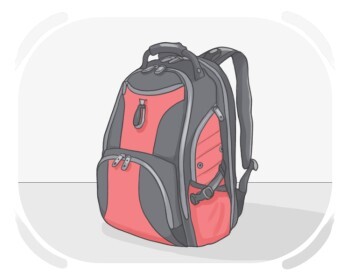
a bag designed for carrying on the back, usually used by those who go hiking or climbing
mochila
Ajustó las correas de su mochila para un ajuste más cómodo.

a suitcase or a small bag that one can carry onto an airplane
equipaje de mano
Su equipaje de mano era demasiado grande para caber en el compartimento superior.
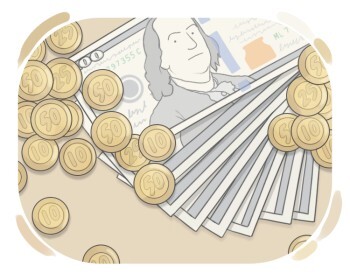
money in bills or coins, rather than checks, credit, etc.
efectivo
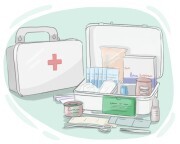
a set of tools and medical supplies, usually carried in a bag or case, used in case of emergency or injury
botiquín de primeros auxilios, kit de primeros auxilios
Abrieron el botiquín de primeros auxilios para atender al jugador herido en el campo.
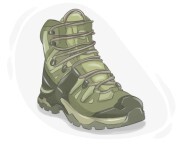
a type of shoe made for walking on rough terrains and long distances, often used for outdoor activities like hiking or camping
bota de senderismo, zapato de senderismo
Apretó los cordones de sus botas de senderismo antes de escalar.
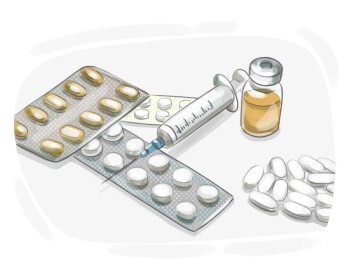
something that we take to prevent or treat a disease, or to feel less pain
medicamento
Algunos medicamentos pueden tener efectos secundarios, así que lea las instrucciones cuidadosamente.
a small bag that is worn around the waist and is used to store money and other valuable items while traveling or in crowded areas to prevent theft
cinturón de dinero, faja portaefectivos
Un cinturón de dinero es útil para guardar pasaportes y tarjetas de crédito.

a document for traveling between countries
pasaporte
a piece of paper or an electronic document that shows one has paid for a seat on an airplane for a specific journey
boleto de avión, billete de avión
Él revisó su boleto de avión para confirmar la hora de salida.

an open shoe that fastens the sole to one's foot with straps, particularly worn when the weather is warm
sandalia
Las sandalias gladiador con correas añadieron un toque de estilo bohemio a su atuendo.
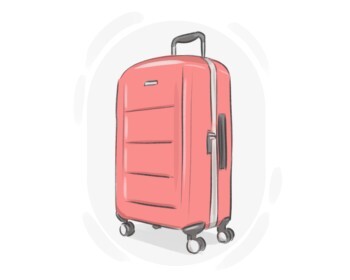
a case with a handle, used for carrying clothes, etc. when we are traveling
maleta
El niño se sentó encima de la maleta mientras su padre intentaba cerrarla.

a piece of clothing worn for swimming, especially by women and girls
traje de baño

the arrangement with an institute or agency according to which they guarantee to make up for the damages in the event of an accident or loss
seguro
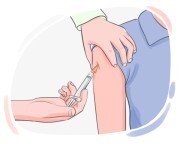
the process or an act of introducing a vaccine into the body as a precaution against contracting a disease
vacunación
La tasa de vacunación en la comunidad está aumentando constantemente.
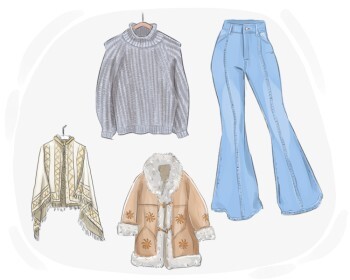
clothes considered collectively, especially those of a particular type or used for a particular purpose
ropa
the general condition of a person's mind or body
salud
a computer file, book, piece of paper etc. that is used as evidence or a source of information
documento
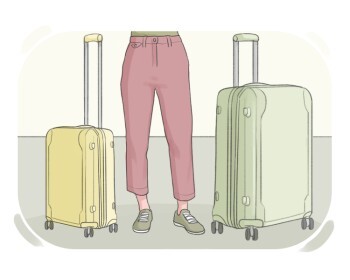
suitcases, bags, etc. to keep one's clothes and other belongings while traveling
equipaje
Compraron equipaje nuevo para sus vacaciones en el extranjero.
a person who provides guidance and advice in a specific area of expertise, such as finance, education, or career development
asesor, consultor
Su asesor de inversiones recomendó una cartera diversificada.
acceptable by the law or any authority
válido
El permiso de estacionamiento mostrado en el tablero del automóvil ya no era válido.
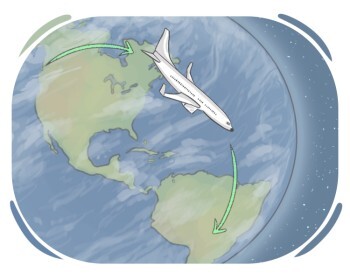
to or in a foreign country, particularly one that is across the sea
en el extranjero, al extranjero
El ejército desplegó tropas en el extranjero para misiones de mantenimiento de la paz.
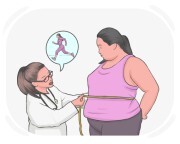
used to talk about what one expects or likes to happen
deber
Ellos deberían ganar el partido, considerando su fuerte desempeño en partidos recientes.
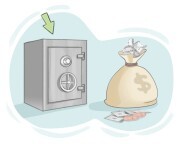
protected and free from any danger or risk
seguro
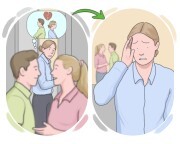
to intentionally stay away from or refuse contact with someone
evitar
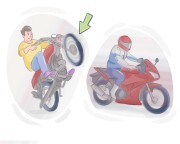
the likelihood of experiencing harm, damage, or injury
peligro
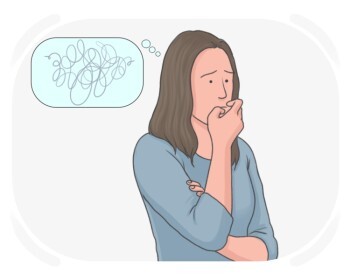
getting a bad and anxious feeling from a person or thing because we think something bad or dangerous will happen
asustado
Tenían miedo de perderse en el bosque.
to the greatest amount or extent possible
completamente
Mi vista del escenario estaba completamente bloqueada por un hombre alto.
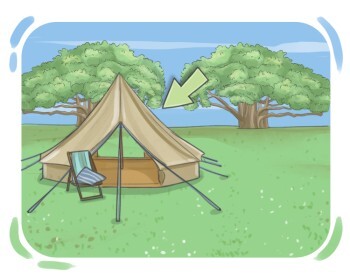
a portable shelter made of fabric stretched over poles or a frame, especially for camping
tienda de campaña
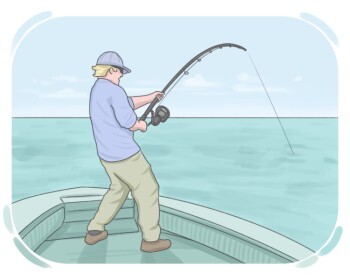
the activity of catching a fish with special equipment such as a fishing line and a hook or net
pesca
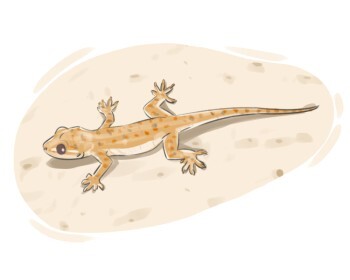
a group of animals with a long body and tail, a rough skin and two pairs of short legs
lagarto
Algunas especies de lagartos, como los camaleones, pueden cambiar de color para mezclarse con su entorno o comunicarse con otros lagartos.
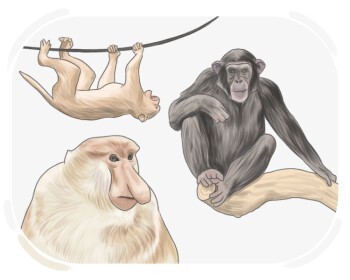
a playful and intelligent animal that has a long tail and usually lives in trees and warm countries
mono
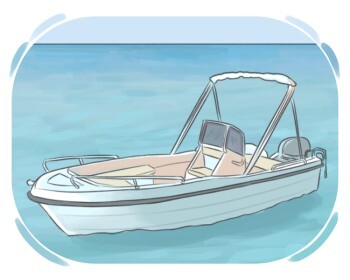
a type of small vehicle that is used to travel on water
bote
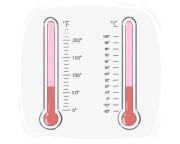
a measure of how hot or cold something or somewhere is
temperatura
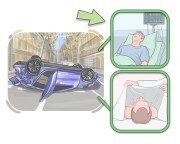
to remain alive after enduring a specific hazardous or critical event
sobrevivir
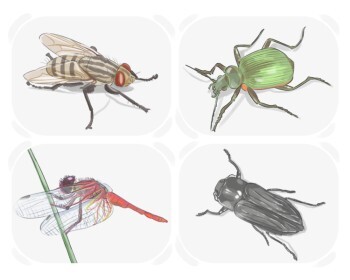
a small arthropod with six legs and a body divided into three parts, often also having wings
insecto, bicho
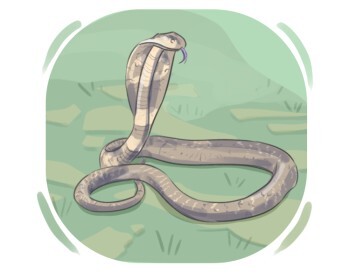
a long, legless reptile with a narrow body covered in scales
serpiente
used before you mention something that makes a statement not completely true
excepto, salvo
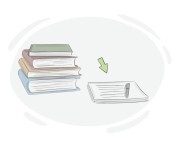
a brief account or statement, that gives only the main points of something, without mentioning the details
resumen
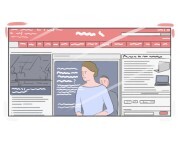
a piece of writing about a particular subject on a website, in a newspaper, magazine, or other publication
artículo
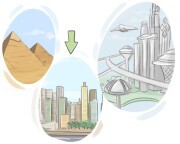
at the present era, as opposed to the past
hoy en día
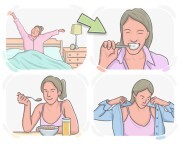
in the time following a specific action, moment, or event
después, más tarde, luego
Después, la tormenta amainó, dejando atrás una tarde tranquila.
a specific area of expertise or professional focus within a career
especialidad, área de especialización
Cambió su especialidad de pediatría a neurología.
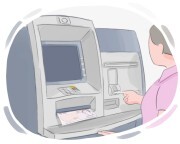
a machine that allows customers to perform financial transactions such as withdrawals, deposits, transfers, etc.
cajero automático
Después de olvidar su PIN, se puso en contacto con el servicio al cliente para restablecerlo y así poder acceder a su cuenta a través del cajero automático.
