pattern

El libro Solutions - Intermedio Alto - Introducción - IA - Parte 2

Aquí encontrarás el vocabulario de la Introducción - IA - Parte 2 en el libro de curso Solutions Upper-Intermediate, como "holgazanear", "preferir", "entristecer", etc.

Revisión

Tarjetas de memoria

formas

Ortografía

Cuestionario

Empezar a aprender
Solutions - Upper-Intermediate
hopefully
hopefully
[Adverbio]

used for expressing that one hopes something will happen

es de esperar

es de esperar

Ex: The new project is in progress, and hopefully, it will contribute significantly to the company's success. 

El nuevo proyecto está en progreso y, ojalá, contribuirá significativamente al éxito de la empresa.
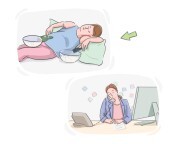
laziness
laziness
[Sustantivo]

(in theology) indifference or inactivity in moral or virtuous practice, considered a deadly sin

pereza

pereza

Ex: Medieval sermons warned against the dangers of laziness. 

Los sermones medievales advertían contra los peligros de la pereza.

to laze
to laze
[Verbo]

to relax and enjoy oneself in a leisurely way, often by lying around and doing nothing productive

holgazanear, flojear

holgazanear, flojear

Ex: Cats are experts at finding sunny spots to laze and nap. 

Los gatos son expertos en encontrar lugares soleados para holgazanear y dormir la siesta.
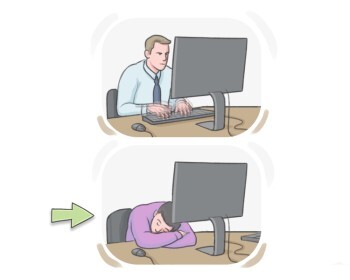
lazy
lazy
[Adjetivo]

avoiding work or activity and preferring to do as little as possible

perezoso, vago

perezoso, vago

Ex: Rather than cooking a meal, he opted for takeout because he was feeling too lazy to cook. 

En lugar de cocinar una comida, optó por la comida para llevar porque se sentía demasiado perezoso para cocinar.

lazily
lazily
[Adverbio]

in a manner that avoids effort or exertion

perezosamente, con desgana

perezosamente, con desgana

Ex: She lazily kicked off her shoes and sighed. 

Ella perezosamente se quitó los zapatos y suspiró.

beauty
beauty
[Sustantivo]

the quality of being attractive or pleasing, particularly to the eye

belleza, hermosura

belleza, hermosura

Ex: The garden's beauty was enhanced by the blooming flowers. 

La belleza del jardín se vio realzada por las flores en flor.

to beautify

to make something more beautiful or attractive, typically by adding decoration or enhancing its appearance

embellecer, hermosear

embellecer, hermosear

Ex: The park was beautified with new benches and flowers. 

El parque fue embellecido con nuevos bancos y flores.
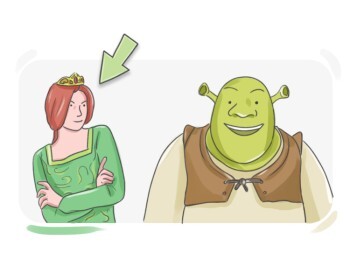
beautiful
beautiful
[Adjetivo]

extremely pleasing to the mind or senses

hermoso, bonito

hermoso, bonito

Ex: She wore a beautiful dress to the party. 

Ella llevaba un hermoso vestido a la fiesta.

beautifully
beautifully
[Adverbio]

in a manner that is visually, aurally, or emotionally delightful or graceful

hermosamente

hermosamente

Ex: He plays the piano beautifully, with rich expression. 

Toca el piano hermosamente, con una expresión rica.

creation
creation
[Sustantivo]

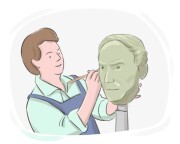
the act of bringing something into existence

creación, obra
creación, obra

Ex: After months of planning, the creation of the building finally began. 

Después de meses de planificación, la creación del edificio finalmente comenzó.

to create
to create
[Verbo]

to bring something into existence or make something happen

crear

crear

Ex: The scientists created a groundbreaking vaccine for the disease. 

Los científicos crearon una vacuna innovadora para la enfermedad.

creative
creative
[Adjetivo]

making use of imagination or innovation in bringing something into existence

creativo

creativo

Ex: I met a creative artist, turning everyday objects into beautiful sculptures. 

Conocí a un artista creativo, que convierte objetos cotidianos en hermosas esculturas.

creatively
creatively
[Adverbio]

in a way that shows imagination, innovation, or originality

de manera creativa, creativamente

de manera creativa, creativamente

Ex: The writer crafted the story creatively, weaving a narrative that captivated readers. 

El escritor elaboró la historia creativamente, tejiendo una narrativa que cautivó a los lectores.

pleasure
pleasure
[Sustantivo]

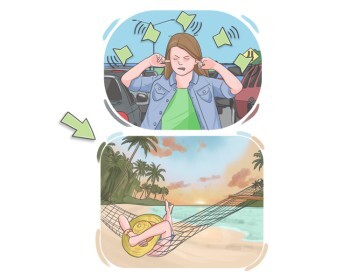
a feeling of great enjoyment and happiness

placer
placer

Ex: He took great pleasure in cooking for his family. 

Él sintió un gran placer al cocinar para su familia.

pleasant
pleasant
[Adjetivo]

bringing enjoyment and happiness

agradable

agradable

Ex: The holiday decorations create a pleasant atmosphere in the town. 

Las decoraciones navideñas crean una atmósfera agradable en el pueblo.

pleasantly
pleasantly
[Adverbio]

in a manner that is enjoyable or satisfying

agradablemente, placentemente

agradablemente, placentemente

Ex: The weather turned pleasantly warm, perfect for a leisurely outdoor activity. 

El clima se volvió agradablemente cálido, perfecto para una actividad al aire libre relajada.

sadness
sadness
[Sustantivo]

the feeling of being sad and not happy

tristeza

tristeza

Ex: The loss of his pet brought overwhelming sadness to the entire family. 

La pérdida de su mascota trajo una tristeza abrumadora a toda la familia.

to sadden
to sadden
[Verbo]

to make someone feel unhappy or disappointed

entristecer, afligir

entristecer, afligir

Ex: It saddens me to see how quickly time passes as my children grow up. 

Me entristece ver lo rápido que pasa el tiempo mientras mis hijos crecen.

sad
sad
[Adjetivo]

emotionally bad or unhappy

triste, feeling bad or unhappy

triste, feeling bad or unhappy

Ex: She felt sad and anxious before the important exam. 

Se sentía triste y ansiosa antes del examen importante.

sadly
sadly
[Adverbio]

in a sorrowful or regretful manner

tristemente

tristemente

Ex: She looked sadly at the old photograph, reminiscing about happier times. 

Ella miró tristemente la vieja fotografía, recordando tiempos más felices.

to surprise

to make someone feel mildly shocked

sorprender

sorprender

Ex: The sudden appearance of a familiar face in the crowd managed to surprise me. 

La aparición repentina de un rostro familiar en la multitud logró sorprenderme.

surprisingly
surprisingly
[Adverbio]

in a way that is unexpected and causes amazement

sorprendentemente

sorprendentemente

Ex: The restaurant's prices were surprisingly affordable, considering the high quality of the food. 

Los precios del restaurante eran sorprendentemente asequibles, considerando la alta calidad de la comida.
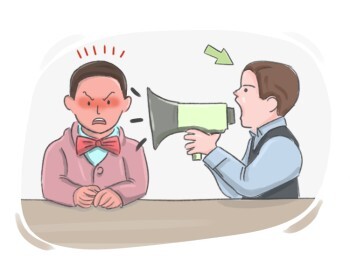
to annoy
to annoy
[Verbo]

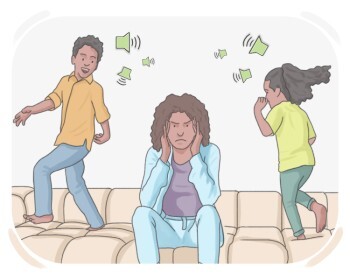
to make a person feel a little angry

molestar, fastidiar, enojar

molestar, fastidiar, enojar

Ex: The ongoing noise is annoying her. 

El ruido constante la está molestando.
annoying
annoying
[Adjetivo]

causing slight anger

molesto, irritante

molesto, irritante

Ex: Dealing with annoying telemarketing calls during dinner became a regular annoyance. 

Lidiar con las llamadas de telemarketing molestas durante la cena se convirtió en una molestia regular.

annoyingly
annoyingly
[Adverbio]

in a way that causes irritation, mild anger, or discomfort

molestamente, irritantemente

molestamente, irritantemente

Ex: The children were annoyingly noisy during the entire performance. 

Los niños fueron molestamente ruidosos durante toda la actuación.
to continue

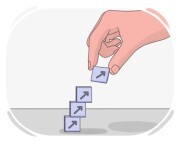
to not stop something, such as a task or activity, and keep doing it

continuar

continuar

Ex: She continued studying late into the night. 

Ella continuó estudiando hasta altas horas de la noche.

to forget
to forget
[Verbo]

to not be able to remember something or someone from the past

olvidar

olvidar

Ex: She often forgets details about events from her early years. 

Ella a menudo olvida detalles sobre eventos de sus primeros años.

to go on
to go on
[Verbo]

to continue without stopping

seguir

seguir

Ex: The teacher encouraged the students to go on with their reading, even if they came across difficult words. 

El profesor animó a los estudiantes a seguir con su lectura, incluso si se encontraban con palabras difíciles.

to like
to like
[Verbo]

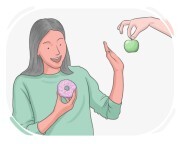
to feel that someone or something is good, enjoyable, or interesting

gustar
gustar

Ex: I like the idea of living in a big city. 

Me gusta la idea de vivir en una gran ciudad.

to prefer
to prefer
[Verbo]

to want or choose one person or thing instead of another because of liking them more

preferir
preferir

Ex: He prefers spending his weekends reading a good book rather than going to crowded events. 

Él prefiere pasar sus fines de semana leyendo un buen libro en lugar de ir a eventos concurridos.

to remember

to bring a type of information from the past to our mind again

recordar, acordarse de

recordar, acordarse de

Ex: I remember the smell of freshly baked cookies in my grandmother's kitchen. 

Me acuerdo del olor de las galletas recién horneadas en la cocina de mi abuela.

to start
to start
[Verbo]

to begin something new and continue doing it, feeling it, etc.

comenzar, empezar
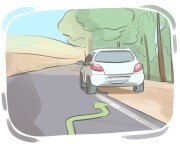
comenzar, empezar

Ex: I'm starting to get hungry, let's grab some food. 

Empiezo a tener hambre, vamos a buscar algo de comer.

to stop
to stop
[Verbo]

to not move anymore

parar

parar

Ex: The train doesn't stop on this route after 6 PM. 

El tren no para en esta ruta después de las 6 PM.

to try
to try
[Verbo]

to make an effort or attempt to do or have something

intentar

intentar

Ex: She tried to bake a cake but it didn't turn out well. 

Ella intentó hornear un pastel pero no salió bien.

LanGeek
Descargar la aplicación LanGeek