pattern

书籍 Solutions - 中高级 - 引言 - AI - 第2部分

在这里,您将找到Solutions Upper-Intermediate课本中介绍-IA-第2部分的词汇,如“懒惰”、“更喜欢”、“使悲伤”等。

复习

闪卡

拼写

测验
开始学习
Solutions - Upper-Intermediate
hopefully
hopefully
[副词]

used to express a hope that something will happen or be true
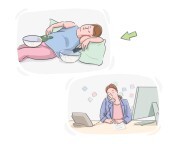
Ex: Hopefully, we'll hear from them tomorrow. 
关闭
登录
laziness
laziness
[名词]

(in theology) indifference or inactivity in moral or virtuous practice, considered a deadly sin

懒惰,怠惰

懒惰,怠惰

Ex: He struggled with laziness that affected his spiritual duties. 

他与影响其灵性职责的懒惰作斗争。

关闭
登录
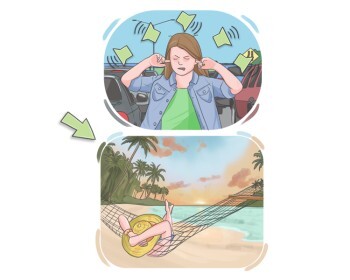
to laze
to laze
[动词]

to relax and enjoy oneself in a leisurely way, often by lying around and doing nothing productive

懒散,闲逛

懒散,闲逛

Ex: After a busy week, he likes to laze in the hammock with a good book. 

忙碌了一周后,他喜欢在吊床上懒散地看一本好书。

关闭
登录
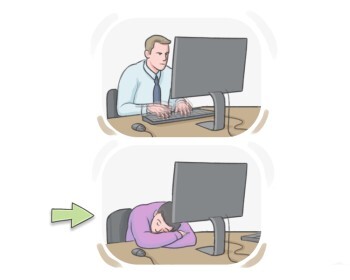
lazy
lazy
[形容词]

avoiding work or activity and preferring to do as little as possible

懒惰的,懒散的

懒惰的,懒散的

Ex: The lazy student consistently skipped classes and failed to complete assignments on time. 

懒惰的学生经常逃课,未能按时完成作业。

关闭
登录
lazily
lazily
[副词]

in a manner that avoids effort or exertion

懒洋洋地,慵懒地

懒洋洋地,慵懒地

Ex: The dog lay lazily in the sun, barely twitching an ear. 

那只狗懒洋洋地躺在阳光下,几乎不摇耳朵。

关闭
登录
beauty
beauty
[名词]

the quality of being attractive or pleasing, particularly to the eye

美丽,美

美丽,美

Ex: The beauty of the historic architecture drew tourists from around the world. 

历史建筑的美丽吸引了来自世界各地的游客。

关闭
登录
to beautify
to beautify
[动词]

to make something more beautiful or attractive, typically by adding decoration or enhancing its appearance

美化,装饰

美化,装饰

Ex: They are planning to beautify the city square with sculptures and fountains. 

他们计划用雕塑和喷泉来美化城市广场。

关闭
登录
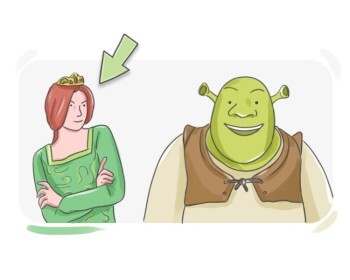
beautiful
beautiful
[形容词]

extremely pleasing to the mind or senses

美丽的,漂亮的

美丽的,漂亮的

Ex: The sunset over the ocean was absolutely beautiful. 

海上的日落绝对美丽。

关闭
登录
beautifully
beautifully
[副词]

in a manner that is visually, aurally, or emotionally delightful or graceful

美丽地,优雅地

美丽地,优雅地

Ex: The garden was beautifully lit with soft lanterns. 

花园被柔和的灯笼美丽地照亮了。

关闭
登录
creation
creation
[名词]

the act of bringing something into existence

创造,作品

创造,作品

Ex: She focused on the creation of detailed artwork for the exhibition. 

她专注于为展览创作详细的艺术作品。

关闭
登录
to create
to create
[动词]

to bring something into existence or make something happen

创造,建立

创造,建立

Ex: She created a beautiful painting with vibrant colors. 

她用鲜艳的色彩创作了一幅美丽的画。

关闭
登录
creative
creative
[形容词]

using imagination and original ideas to create or develop something

有创造力的, 创意

有创造力的, 创意

Ex: The teacher encourages students to develop their creative abilities. 
关闭
登录
creatively
creatively
[副词]

in a way that shows imagination, innovation, or originality

创造性地,有创意地

创造性地,有创意地

Ex: She approached problem-solving creatively, thinking outside conventional solutions. 

她创造性地解决问题,思考超越传统解决方案。

关闭
登录
pleasure
pleasure
[名词]

a feeling of great enjoyment and happiness

快乐,喜悦

快乐,喜悦

Ex: The book brought him pleasure on many quiet afternoons. 

这本书在许多安静的下午给他带来了快乐。

关闭
登录
pleasant
pleasant
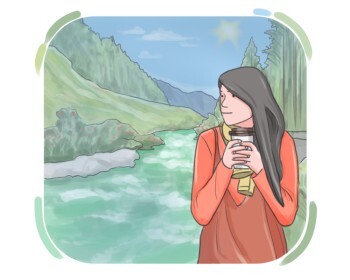
[形容词]

enjoyable, attractive, or giving a feeling of comfort or satisfaction

愉快的, 宜人的
愉快的, 宜人的

Ex: The weather was warm and pleasant. 
关闭
登录
pleasantly
pleasantly
[副词]

in a manner that is enjoyable or satisfying

愉快地,令人满意地

愉快地,令人满意地

Ex: The music played in the background was pleasantly soothing, creating a relaxed atmosphere. 

背景中播放的音乐令人愉快地舒缓,营造出一种轻松的氛围。

关闭
登录
sadness
sadness
[名词]

the feeling of being sad and not happy

悲伤

悲伤

Ex: The movie's ending left me with a profound sense of sadness. 

电影的结局给我留下了深刻的悲伤感。

关闭
登录
to sadden
to sadden
[动词]

to make someone feel unhappy or disappointed

使悲伤,使失望

使悲伤,使失望

Ex: Hearing about the tragedy in the news saddened the entire community. 

听到新闻中的悲剧让整个社区都感到悲伤。

关闭
登录
sad
sad
[形容词]

emotionally bad or unhappy

悲伤的,难过的, feeling bad or unhappy

悲伤的,难过的, feeling bad or unhappy

Ex: She felt sad and anxious before the important exam. 

在重要考试前,她感到悲伤和焦虑。

关闭
登录
sadly
sadly
[副词]

in a sorrowful or regretful manner

悲伤地,带着悲伤

悲伤地,带着悲伤

Ex: She said goodbye sadly. 

她悲伤地说了再见。

关闭
登录
to surprise
to surprise
[动词]

to make someone feel mildly shocked

使惊讶,使吃惊

使惊讶,使吃惊

Ex: Walking into the room, the bright decorations and cheering friends truly surprised him. 

走进房间,明亮的装饰和欢呼的朋友们真的让他惊讶了。

关闭
登录
surprisingly
surprisingly
[副词]

in a way that is unexpected and causes amazement

令人惊讶地,出乎意料地

令人惊讶地,出乎意料地

Ex: The film had a surprisingly emotional ending, leaving the audience in tears. 

这部电影有一个令人惊讶的情感结局,让观众泪流满面。

关闭
登录
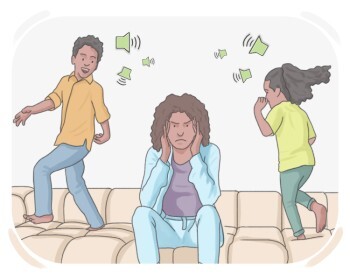
to annoy
to annoy
[动词]

to make a person feel a little angry

惹恼,烦扰

惹恼,烦扰

Ex: His constant interruptions annoy me. 

他不断的打断惹恼了我。

关闭
登录
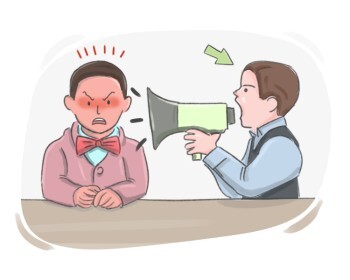
annoying
annoying
[形容词]

causing slight anger

烦人的,恼人的

烦人的,恼人的

Ex: The annoying habit of tapping his foot constantly during the meeting distracted everyone. 

会议中不断用脚轻敲的烦人习惯分散了所有人的注意力。

关闭
登录
annoyingly
annoyingly
[副词]

in a way that causes irritation, mild anger, or discomfort

烦人地,恼人地

烦人地,恼人地

Ex: She annoyingly interrupted me every time I tried to speak. 

每当我试图说话时,她都会烦人地打断我。

关闭
登录
to continue
to continue
[动词]

to not stop something, such as a task or activity, and keep doing it

继续,持续

继续,持续

Ex: She continued studying late into the night. 

雨继续下了一整天。

关闭
登录
to forget
to forget
[动词]

to not be able to remember something or someone from the past

忘记,不记得

忘记,不记得

Ex: He will never forget the kindness you showed him. 

他永远不会忘记你对他表现出的善意。

关闭
登录
to go on
to go on
[动词]

to continue without stopping

不停地继续, 继续向前

不停地继续, 继续向前

Ex: She didn't let the interruptions distract her and simply went on with her presentation. 

她没有让干扰分散她的注意力,只是继续她的演讲。

关闭
登录
to like
to like
[动词]

to feel that someone or something is good, enjoyable, or interesting

喜欢,欣赏

喜欢,欣赏

Ex: What kind of music do you like? 

你喜欢什么类型的音乐?

关闭
登录
to prefer
to prefer
[动词]

to like or value someone or something more than another and therefore choose them when given a choice
Ex: James preferred the smaller apartment because it was closer to work. 
关闭
登录
to remember
to remember
[动词]

to bring a type of information from the past to our mind again

记得,回想起

记得,回想起

Ex: We remember our childhood memories fondly. 

我们深情地记得我们的童年回忆。

关闭
登录
to start
to start
[动词]

to begin something new and continue doing it, feeling it, etc.

开始,启动

开始,启动

Ex: The restaurant started offering a new menu item that became popular. 

餐厅开始提供一种新的菜单项目,变得很受欢迎。

关闭
登录
to stop
to stop
[动词]

to not move anymore

停止,停下

停止,停下

Ex: The bus stopped at the bus stop to pick up passengers. 

公共汽车在公交车站停下来接乘客。

关闭
登录
to try
to try
[动词]

to make an effort or attempt to do or have something

尝试,努力

尝试,努力

Ex: We tried to find a parking spot but had to park far away. 

我们尝试找一个停车位,但不得不停得很远。

关闭
登录
LanGeek
下载 LanGeek 应用