pattern

本 Solutions - 中上級 - はじめに - AI - パート2

ここでは、Solutions Upper-Intermediateコースブックの導入 - IA - パート2からの語彙を見つけることができます。例えば、「怠ける」、「好む」、「悲しませる」などです。

レビュー

フラッシュカード

語形

綴り

クイズ

学習を開始
Solutions - Upper-Intermediate
hopefully
hopefully
[副詞]

used for expressing that one hopes something will happen

願わくば, うまくいけば

願わくば, うまくいけば

Ex: He submitted his job application, and hopefully, he will be invited for an interview. 

彼は仕事の応募書類を提出し、願わくば、面接に招待されるでしょう。

laziness
laziness
[名詞]

(in theology) indifference or inactivity in moral or virtuous practice, considered a deadly sin

怠惰, 無為

怠惰, 無為

Ex: Laziness is one of the seven deadly sins in Christian teaching. 

怠惰はキリスト教の教えにおける七つの大罪の一つです。

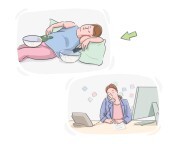
to laze
to laze
[動詞]

to relax and enjoy oneself in a leisurely way, often by lying around and doing nothing productive

怠ける, のんびりする

怠ける, のんびりする

Ex: During vacations, it's nice to laze by the pool and soak up the sun. 

休暇中は、プールサイドで怠けるのも気持ちがよく、日光浴を楽しむのも良いものです。
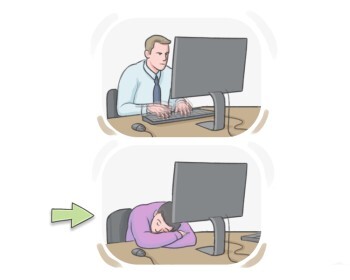
lazy
lazy
[形容詞]

avoiding work or activity and preferring to do as little as possible

怠惰な, ものぐさ

怠惰な, ものぐさ

Ex: Her room was always messy because she was too lazy to tidy up after herself. 

彼女の部屋はいつも散らかっていた。なぜなら、彼女は自分で片付けるのがあまりにも面倒くさがりだったからだ。

lazily
lazily
[副詞]

in a manner that avoids effort or exertion

怠け者っぽく, だらだらと

怠け者っぽく, だらだらと

Ex: He sprawled lazily across the couch all afternoon. 

彼は午後中ソファにだらだらと横たわっていた。

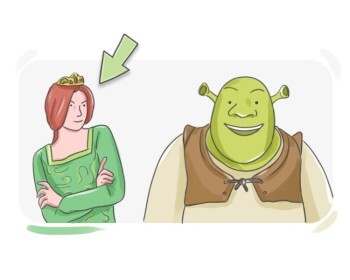
beauty
beauty
[名詞]

the quality of being attractive or pleasing, particularly to the eye

美, 美しさ

美, 美しさ

Ex: His photography captured the raw beauty of nature. 
to beautify
to beautify
[動詞]

to make something more beautiful or attractive, typically by adding decoration or enhancing its appearance

美化する, 飾る

美化する, 飾る

Ex: She decided to beautify her garden with colorful flowers and shrubs. 

彼女はカラフルな花や低木で庭を美化することに決めました。

beautiful
beautiful
[形容詞]

extremely pleasing to the mind or senses

美しい, 素晴らしい

美しい, 素晴らしい

Ex: He painted a beautiful portrait of his sister. 
beautifully
beautifully
[副詞]

in a manner that is visually, aurally, or emotionally delightful or graceful

美しく, 優雅に

美しく, 優雅に

Ex: She danced beautifully, moving with grace and elegance. 

彼女は 美しく 踊り、優雅さと上品さで動いた。

creation
creation
[名詞]

the act of bringing something into existence

創造, 作品
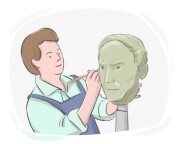
創造, 作品

Ex: The professor emphasized the importance of creation in scientific innovation. 
to create
to create
[動詞]

to bring something into existence or make something happen

創造する, 設立する

創造する, 設立する

Ex: They created a new software program to solve the problem. 
creative
creative
[形容詞]

using imagination and original ideas to create or develop something

using imagination and original ideas to create or develop something

using imagination and original ideas to create or develop something

Ex: Emma found a creative way to organize the small apartment. 
creatively
creatively
[副詞]

in a way that shows imagination, innovation, or originality

創造的に, クリエイティブに

創造的に, クリエイティブに

Ex: This article inspires you to think creatively. 

この記事は、創造的に考えることを促します。

pleasure
pleasure
[名詞]

a feeling of great enjoyment and happiness

喜び, 楽しみ
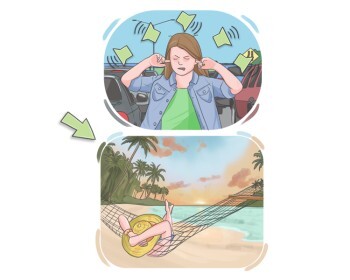
喜び, 楽しみ

Ex: Her eyes sparkled with pleasure when she saw the surprise party. 
pleasant
pleasant
[形容詞]

enjoyable, attractive, or giving a feeling of comfort or satisfaction
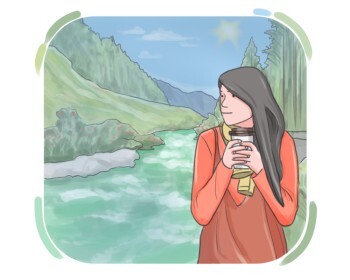
Ex: We had a pleasant afternoon by the lake. 
pleasantly
pleasantly
[副詞]

in a manner that is enjoyable or satisfying

快く, 満足いくように

快く, 満足いくように

Ex: The garden was pleasantly fragrant with the scent of blooming flowers. 

庭は花の香りで心地よく香っていた。

sadness
sadness
[名詞]

the feeling of being sad and not happy

悲しみ

悲しみ

Ex: She couldn't hide the sadness in her eyes after hearing the news of her grandmother's passing. 

祖母の死の知らせを聞いた後、彼女は目に悲しみを隠せなかった。

to sadden
to sadden
[動詞]

to make someone feel unhappy or disappointed

悲しませる, がっかりさせる

悲しませる, がっかりさせる

Ex: The loss of her pet deeply saddened her. 

彼女のペットを失ったことは、彼女を深く悲しませた。

sad
sad
[形容詞]

emotionally bad or unhappy

悲しい,哀れな, feeling bad or unhappy

悲しい,哀れな, feeling bad or unhappy

Ex: He was sad because he didn't receive the gift he wanted. 
sadly
sadly
[副詞]

in a sorrowful or regretful manner

悲しそうに, 悲しみを込めて

悲しそうに, 悲しみを込めて

Ex: He spoke sadly about the missed opportunities in his career. 

彼は自分のキャリアで逃した機会について悲しげに話した。

to surprise
to surprise
[動詞]

to make someone feel mildly shocked

驚かす, びっくりさせる

驚かす, びっくりさせる

Ex: The twist in the plot completely surprised the viewers of the movie. 
surprisingly
surprisingly
[副詞]

in a way that is unexpected and causes amazement

驚くほど, 予想外に

驚くほど, 予想外に

Ex: She finished the race surprisingly quickly, beating all her competitors. 

彼女はレースを驚くほど速く終え、すべての競争相手を打ち負かした。

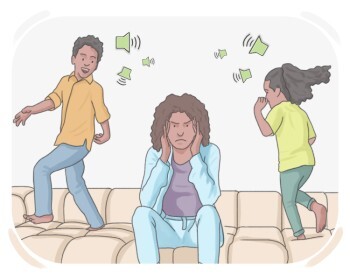
to annoy
to annoy
[動詞]

to make a person feel a little angry

いらいらさせる, うるさがらせる

いらいらさせる, うるさがらせる

Ex: The constant tapping of the pen on the desk annoyed her during the meeting. 

会議中、机の上でペンが絶えずカチカチ鳴る音が彼女をイライラさせた。

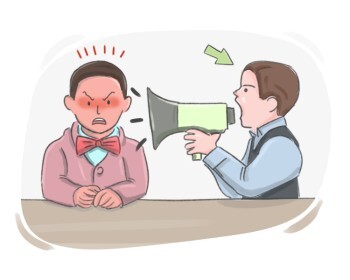
annoying
annoying
[形容詞]

causing slight anger

迷惑な, うるさい

迷惑な, うるさい

Ex: The annoying sound of construction outside disrupted her concentration. 

外の工事のうるさい音が彼女の集中力を乱した。

annoyingly
annoyingly
[副詞]

in a way that causes irritation, mild anger, or discomfort

いらいらさせるように, うるさく

いらいらさせるように, うるさく

Ex: The clock was annoyingly loud during the exam. 

試験中、時計がうるさく煩わしかった。

to continue
to continue
[動詞]

to not stop something, such as a task or activity, and keep doing it

続ける, 継続する

続ける, 継続する

Ex: The band continued playing despite the technical difficulties. 
to forget
to forget
[動詞]

to not be able to remember something or someone from the past

忘れる, 覚えていない

忘れる, 覚えていない

Ex: He tried to remember his childhood friend, but he had forgotten her name. 
to go on
to go on
[動詞]

to continue without stopping

止まらず続ける, そのまま進み続ける

止まらず続ける, そのまま進み続ける

Ex: The marathon runners were determined to go on despite the rain. 

マラソンランナーは雨にもかかわらず進み続けることを決意していた。

to like
to like
[動詞]

to feel that someone or something is good, enjoyable, or interesting

好き, 楽しむ
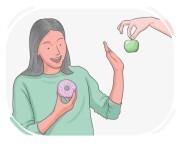
好き, 楽しむ

Ex: They have never liked horror movies. 
to prefer
to prefer
[動詞]

to want or choose one person or thing instead of another because of liking them more

好む, 選ぶ
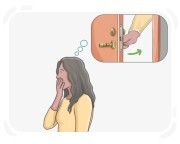
好む, 選ぶ

Ex: Some students prefer studying in a quiet library as opposed to a noisy cafe. 
to remember
to remember
[動詞]

to bring a type of information from the past to our mind again

覚える, 思い出す

覚える, 思い出す

Ex: I'll always remember our graduation day. 
to start
to start
[動詞]

to begin something new and continue doing it, feeling it, etc.

始める, 開始する

始める, 開始する

Ex: She started using a new skincare product for her acne. 
to stop
to stop
[動詞]

to not move anymore

止まる, 停止する

止まる, 停止する

Ex: The car stopped at the pedestrian crosswalk. 
to try
to try
[動詞]

to make an effort or attempt to do or have something

試みる, 努力する

試みる, 努力する

Ex: They are going to try to finish the project by Friday. 
LanGeek
LanGeekアプリをダウンロード