pattern

Vocabulario para IELTS Academic (Puntuación 5) - Education

Aquí, aprenderás algunas palabras en inglés relacionadas con la educación que son necesarias para el examen básico académico de IELTS.

Revisión

Tarjetas de memoria

formas

Ortografía

Cuestionario

Empezar a aprender
Vocabulary for IELTS Academic (Band 5)
absentee
absentee
[Sustantivo]

someone who is not present at school, work, etc. when they are supposed to be

ausente

ausente

Ex: Absentees from the meeting missed important updates. 

Los ausentes de la reunión se perdieron actualizaciones importantes.

syllabus
syllabus
[Sustantivo]

a document that outlines the topics, assignments, and expectations for a course

plan de estudios, programa de estudios, programa

plan de estudios, programa de estudios, programa

Ex: The syllabus for the History course details the chronological periods, key events, and assigned readings. 

El temario del curso de Historia detalla los períodos cronológicos, los eventos clave y las lecturas asignadas.

lecture
lecture
[Sustantivo]

a talk given to an audience about a particular subject to educate them, particularly at a university or college

conferencia, clase magistral

conferencia, clase magistral

Ex: The lecture was held in the university’s main auditorium. 

La conferencia se llevó a cabo en el auditorio principal de la universidad.

homework
homework
[Sustantivo]

schoolwork that students have to do at home

tarea

tarea

Ex: My daughter spends a few hours every evening doing her homework. 

Mi hija pasa unas horas cada noche haciendo su tarea.

assignment
assignment
[Sustantivo]

a task given to a student to do

tarea, deberes, trabajo

tarea, deberes, trabajo

Ex: She spent hours working on her science assignment, conducting experiments and writing up her findings. 

Pasó horas trabajando en su tarea de ciencias, realizando experimentos y escribiendo sus hallazgos.

grade
grade
[Sustantivo]

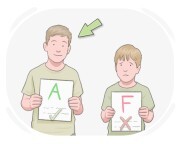
a letter or number given by a teacher to show how a student is performing in class, school, etc.

nota

nota

Ex: Mark's grades have improved significantly since he started studying regularly. 

Las calificaciones de Mark han mejorado significativamente desde que empezó a estudiar regularmente.

mark
mark
[Sustantivo]

a letter or number given by a teacher to show how good a student's performance is; a point given for a correct answer in an exam or competition

nota, punto

nota, punto

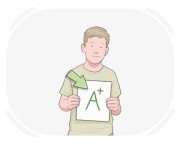
Ex: His final mark in the class was an A. 

Su nota final en la clase fue una A.

textbook
textbook
[Sustantivo]

a book used for the study of a particular subject, especially in schools and colleges

libro de texto

libro de texto

Ex: The professor recommended several textbooks for the course, including both classic and modern sources. 

El profesor recomendó varios libros de texto para el curso, incluyendo fuentes clásicas y modernas.
professor
professor
[Sustantivo]

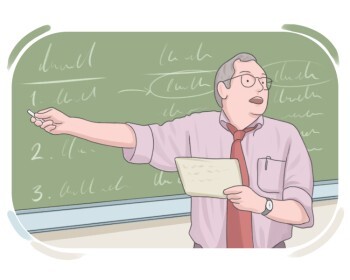
an experienced teacher at a university or college who specializes in a particular subject and often conducts research

profesor

profesor

Ex: Professor Johnson teaches history at the university. 

El profesor Johnson enseña historia en la universidad.

subject
subject
[Sustantivo]

a branch or an area of knowledge that we study at a school, college, or university

asignatura

asignatura

Ex: In high school, I found chemistry to be a challenging subject, but I persevered and improved my grades. 

En la escuela secundaria, encontré que la química era una asignatura desafiante, pero perseveré y mejoré mis calificaciones.

course
course
[Sustantivo]

a series of lessons or lectures on a particular subject

curso

curso

Ex: The company provided a training course for all new employees. 

La empresa proporcionó un curso de capacitación para todos los nuevos empleados.

college
college
[Sustantivo]

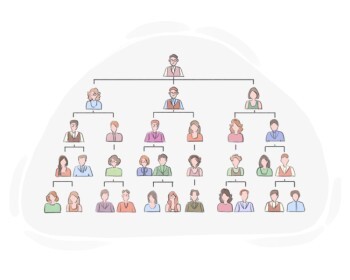
an institution that offers higher education or specialized trainings for different professions

universidad
universidad

Ex: They are preparing for their final exams at college. 

Se están preparando para sus exámenes finales en la universidad.

institution
institution
[Sustantivo]

a large organization that serves a religious, educational, social, or similar function

institución
institución

Ex: The church is considered an important institution in the community. 

La iglesia es considerada una institución importante en la comunidad.

semester
semester
[Sustantivo]

each of the two periods into which a year at schools or universities is divided

semestre

semestre

Ex: In the first semester, we covered basic grammar and vocabulary in the language course. 

En el primer semestre, cubrimos la gramática y el vocabulario básicos en el curso de idiomas.

degree
degree
[Sustantivo]

the certificate that is given to university or college students upon successful completion of their course

título

título

Ex: Many employers require candidates to have at least a bachelor's degree in their field of expertise. 

Muchos empleadores requieren que los candidatos tengan al menos un título de licenciatura en su campo de experiencia.

graduation
graduation
[Sustantivo]

the action of successfully finishing studies at a high school or a university degree

graduación

graduación

Ex: Graduation is often a time for reflecting on personal achievements. 

Graduación es a menudo un momento para reflexionar sobre los logros personales.

to graduate

to finish a university, college, etc. study course successfully and receive a diploma or degree

graduarse

graduarse

Ex: They are excited to graduate and move on to the next phase of their lives. 

Están emocionados de graduarse y pasar a la siguiente fase de sus vidas.

to attend
to attend
[Verbo]

to go to school, university, church, etc. periodically

asistir a
asistir a

Ex: The children attend school from Monday to Friday. 

Los niños asisten a la escuela de lunes a viernes.

to pass
to pass
[Verbo]

to get the necessary grades in an exam, test, course, etc.

aprobar, pasar

aprobar, pasar

Ex: I'm not really expecting to pass first time. 

Realmente no espero aprobar la primera vez.

to review
to review
[Verbo]

to study or practice taught lessons again, particularly to prepare for an examination

repasar

repasar

Ex: In order to pass the certification exam, he needs to review all the key concepts and formulas covered in the training course. 

Para aprobar el examen de certificación, necesita repasar todos los conceptos clave y fórmulas cubiertas en el curso de formación.

to read
to read
[Verbo]

to look at written or printed words or symbols and understand their meaning

leer

leer

Ex: It's important to read the terms and conditions before agreeing. 

Es importante leer los términos y condiciones antes de aceptar.

to note
to note
[Verbo]

to record something in writing

anotar, registrar

anotar, registrar

Ex: The teacher asked the students to note the key points from the lesson. 

El profesor pidió a los estudiantes que anotaran los puntos clave de la lección.

to summarize

to give a short and simplified version that covers the main points of something

resumir

resumir

Ex: The presenter used bullet points to summarize the key points of the presentation for the audience. 

El presentador utilizó viñetas para resumir los puntos clave de la presentación para la audiencia.

to examine
to examine
[Verbo]

to test a person's knowledge or skills in a certain subject by asking them questions or asking them to do a specific task

examinar

examinar

Ex: The coach examined the players' techniques to improve their performance. 

El entrenador examinó las técnicas de los jugadores para mejorar su rendimiento.

to participate

to join in an event, activity, etc.

participar

participar

Ex: We invite everyone to participate in the upcoming community clean-up event. 

Invitamos a todos a participar en el próximo evento de limpieza comunitaria.

to paraphrase

to express the meaning of something written or spoken with a different choice of words

parafrasear

parafrasear

Ex: The presenter paraphrased the complex technical jargon to make it more accessible to a broader audience. 

El presentador parafraseó la jerga técnica compleja para hacerla más accesible a una audiencia más amplia.

to assign
to assign
[Verbo]

to give specific tasks, duties, or responsibilities to individuals or groups

asignar, designar

asignar, designar

Ex: The project manager will assign each member a specific tasks based on their expertise. 

El gerente del proyecto asignará a cada miembro tareas específicas según su experiencia.

to formulate

to express or simplify something in the form of a formula or equation

formular, expresar en forma de ecuación

formular, expresar en forma de ecuación

Ex: The researchers successfully formulated the data into a concise and functional equation. 

Los investigadores lograron formular los datos en una ecuación concisa y funcional.

to register

to enter one's name in a list of an institute, school, etc.

registrar, inscribir

registrar, inscribir

Ex: He failed to register in time for the new semester and had to wait until next year. 

No logró matricularse a tiempo para el nuevo semestre y tuvo que esperar hasta el próximo año.

present
present
[Adjetivo]

(of people) being somewhere particular

presente

presente

Ex: John was present at the conference and actively participated in the discussions. 

John estuvo presente en la conferencia y participó activamente en las discusiones.

uneducated
uneducated
[Adjetivo]

lacking formal schooling or systematic instruction

no educado, ignorante

no educado, ignorante

Ex: She criticized the policy for ignoring uneducated populations. 

Ella criticó la política por ignorar a las poblaciones no educadas.

educated
educated
[Adjetivo]

having received a good education

educado

educado

Ex: Educated individuals are equipped with the tools to analyze information critically and make informed decisions. 

Las personas educadas están equipadas con las herramientas para analizar información críticamente y tomar decisiones informadas.

LanGeek
Descargar la aplicación LanGeek