
Vocabulario para IELTS Academic (Puntuación 6-7) - Enfermedad y Síntomas
Aquí, aprenderás algunas palabras en inglés relacionadas con la enfermedad y los síntomas que son necesarias para el examen académico IELTS.
Revisión
Tarjetas de memoria
Ortografía
Cuestionario


the feeling of discomfort in the stomach, often with the urge to vomit

náusea
Ella experimentó náuseas después de comer demasiado en la feria.

a feeling of extreme tiredness that is usually caused by physical or mental overwork or exercise
fatiga, cansancio
Los síntomas de la fatiga pueden incluir debilidad, dificultad para concentrarse, irritabilidad y motivación reducida.
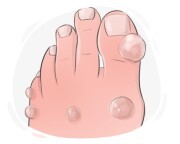
a swollen area on the skin filled with liquid, caused by constant rubbing or by burning
ampolla
Las causas comunes de las ampollas incluyen el uso de zapatos que no ajustan bien, la fricción repetitiva de herramientas o equipos deportivos, o la exposición al calor.

a medical condition in which body waste turns to liquid and comes out frequently
diarrea
a physical condition in which a part of the body becomes swollen, painful, and red as a result of an infection or injury
inflamación
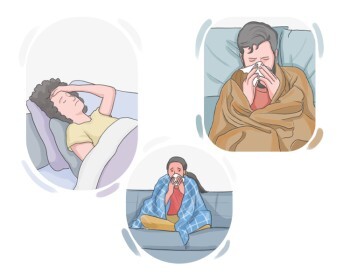
an illness, often a minor one
enfermedad, dolencia
Las personas mayores a menudo sufren de diversos padecimientos relacionados con la edad, como la artritis.
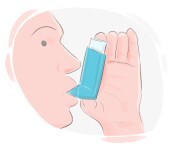
a disease that causes shortness of breath and difficulty in breathing
asma
Los ataques de asma pueden ser provocados por alérgenos, infecciones respiratorias, ejercicio o estrés.
a disorder in which one is unable to sleep or stay asleep
insomnio
El médico recomendó algunas técnicas de relajación para ayudar a combatir su insomnio y mejorar la calidad de su sueño.
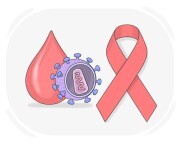
human immunodeficiency virus, a virus that attacks the immune system and can lead to AIDS if untreated
VIH

a sudden and unexpected start or return of a medical problem
ataque, convulsión
Presenciar la crisis de su amiga fue aterrador, pero ella supo qué hacer y llamó a ayuda de inmediato.
an area with a high number of infected people where strict public health rules are applied to control the spread of infection
zona roja
Los viajes hacia y desde las regiones clasificadas como zona roja están actualmente restringidos para limitar el movimiento de personas potencialmente infectadas.
| Vocabulario para IELTS Academic (Puntuación 6-7) | |||
|---|---|---|---|
| Ingeniería | Tecnología | Internet y Computadora | Fabricación e Industria |
| Historia | Religion | Cultura y Costumbre | Lenguaje y Gramática |
| Artes | Música | Cine y Teatro | Literatura |
| Arquitectura | Marketing | Finanzas | Gestión |
| Medicina | Enfermedad y Síntomas | Ley | Energía y Potencia |
